The best time to visit Finnish Lapland for guaranteed snow is from late November through to April, with the most reliable and deepest snow cover falling between January and March. Saariselkä, in northern Finnish Lapland, is one of the snowiest and most snow-consistent destinations in the entire country, thanks to its northern latitude and long, cold winters. Below, we answer the most common questions travellers ask when planning a winter trip to Lapland.
Which months have the most reliable snow cover in Finnish Lapland?
Finnish Lapland typically has reliable snow cover from late November through to April, with January, February, and March offering the deepest and most consistent snowfall. In Saariselkä specifically, snow depths can reach extraordinary levels. In 2020, the deepest snow cover recorded anywhere in Finland that winter was measured here, reaching 138 centimetres in April.
The reason for this reliability comes down to geography. Saariselkä sits in northern Lapland, where sub-zero temperatures persist for months at a time, preventing early thaws and allowing accumulated snow to build steadily throughout the season. Unlike destinations further south in Finland or elsewhere in Scandinavia, where mild spells can interrupt snow cover, northern Lapland’s climate is far more consistent.
For the 2026 to 2027 winter season, the planned skiing period in Saariselkä runs from late November until early May, a testament to just how long and dependable the Lapland snow season truly is. Even in late winter and early spring, the firm snow conditions make for excellent outdoor activities, from cross-country skiing to winter hiking across the fells.
What is the difference between early, peak, and late winter in Lapland?
Early, peak, and late winter in Finnish Lapland each offer a distinct experience. Early winter (November to December) brings the first snowfall and the magical polar night, peak winter (January to February) delivers the deepest snow and clearest skies, and late winter (March to April) offers bright sunshine, firm snow, and longer days.
Early winter: November and December
November marks the beginning of the Lapland snow season. Snow arrives reliably in the north, and by December the landscape is fully blanketed in white. This period also brings the polar night, known locally as kaamos, when the sun stays below the horizon for weeks. The darkness can feel profound and atmospheric, and it creates ideal conditions for Northern Lights viewing. Christmas in Lapland has its own particular magic, drawing many visitors who want to experience the season in its most traditional Arctic setting.
Peak winter: January and February
January and February are widely considered the best months for a Finnish Lapland winter trip if snow depth and Aurora activity are your priorities. Temperatures are at their lowest, snowfall is at its heaviest, and the night skies are frequently clear. The days are short but growing gradually longer after the winter solstice, and the quality of light, particularly the blue twilight hours, is stunning.
Late winter: March and April
By March, daylight returns in earnest, and Lapland transforms into a bright, sun-drenched snowscape. The snow is firm and well-settled, making it ideal for skiing, snowshoeing, and long excursions across the wilderness. April can still offer excellent snow cover in the north, and the combination of warm sunshine and deep snow creates conditions that are genuinely unlike anything available earlier in the season.
When is the best time to see the Northern Lights in Finnish Lapland?
The best time to see the Northern Lights in Finnish Lapland is from late September through to March, with the darkest months of November, December, January, and February offering the longest viewing windows each night. Clear, dark skies away from light pollution are the most critical factor, and Saariselkä’s remote northern location makes it one of the most favourable spots in Europe for Aurora hunting.
The Northern Lights are a natural phenomenon driven by solar activity, so no sighting is ever fully guaranteed. However, you can significantly improve your chances by visiting during a period of long nights, staying in a location with minimal artificial light, and being patient across several nights rather than expecting a single guaranteed display.
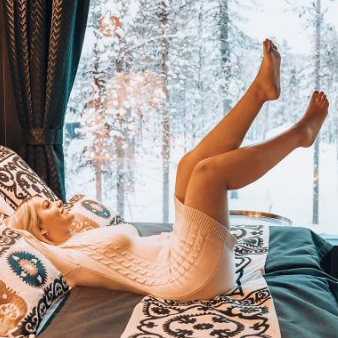
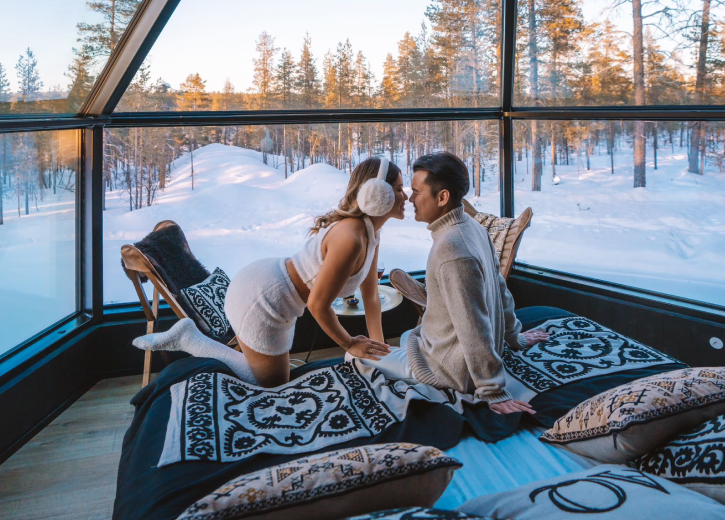
Staying in a glass-ceiling igloo accommodation in Saariselkä, like those at Aurora Queen Resort, removes the need to stand outside in the cold waiting. With panorama windows and glass ceilings overhead, guests can watch the Aurora from the warmth of their own bed, which transforms a potentially cold and uncertain wait into a genuinely comfortable experience. We position our glass igloos with northern-facing orientation specifically to maximise sky visibility and Aurora chances.
How cold does Finnish Lapland get and does it affect travel plans?
Finnish Lapland winters are genuinely cold. Temperatures in Saariselkä regularly fall to between minus 15 and minus 25 degrees Celsius in January and February, with occasional dips beyond that during cold snaps. While this sounds extreme, it rarely disrupts well-planned travel. The key is dressing appropriately and choosing accommodation that keeps you warm and comfortable.
The cold is actually part of what makes the Lapland snow season so reliable. Sustained sub-zero temperatures mean the snow that falls stays on the ground, building depth over the entire winter rather than melting and refreezing in cycles the way it might further south. For most activities, husky safaris, reindeer sleigh rides, snowmobile excursions, ice fishing, and cross-country skiing, the cold is simply part of the environment, and proper thermal layering makes it very manageable.
March and April offer a gentler introduction to Arctic temperatures. Daytime highs can rise closer to zero or even above, while still maintaining full snow cover. If extreme cold is a concern, late winter travel gives you the best of both worlds: deep snow and more comfortable daytime temperatures.
What activities are available depending on when you visit?
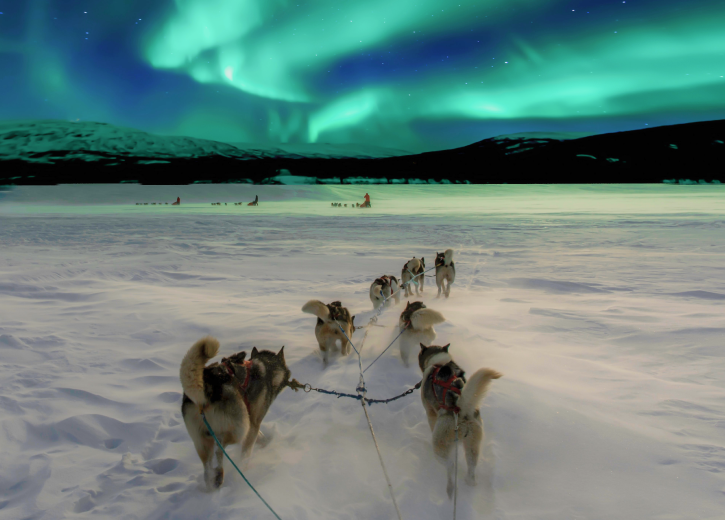
Finnish Lapland winter activities are available across the entire snow season, but the experience shifts depending on when you travel. Husky safaris, reindeer sleigh rides, snowmobile tours, and Aurora hunting are available from late November through March, while spring skiing and snowshoeing are at their best in March and April.
Activities in early and peak winter (November to February)
The darker months are ideal for Aurora hunting, and guided tours specifically designed around Northern Lights viewing are widely available. Husky safaris are a highlight of the Lapland experience at any point in winter, but the deep snow and long nights of January and February add a particular sense of adventure. Reindeer farm visits and sleigh rides connect visitors with the traditional Sami culture of the region, and ice fishing on frozen lakes is a uniquely peaceful way to spend a quiet afternoon.
Activities in late winter and spring (March to April)
As daylight returns, the focus shifts toward outdoor pursuits that benefit from visibility and firm snow. Cross-country skiing across the vast fell landscapes is exceptional in March, with well-marked trails threading through Urho Kekkonen National Park, which begins right next to the Saariselkä resort area. Spring snow conditions are firm and supportive underfoot, making winter hiking and snowshoeing more accessible than during the softer, deeper snowfalls of mid-winter. Wildlife activity also increases, and patient observers may spot foxes, ptarmigan, and other Arctic species against the bright white landscape.
Should you visit Lapland at Christmas or in January and February?
Both periods are excellent, but they suit different types of travellers. Christmas in Lapland is magical and atmospheric, with fresh snowfall, festive traditions, and the polar night in full effect. January and February offer the deepest snow, the best Aurora conditions, and a quieter, more intimate atmosphere once the holiday rush has passed.
Christmas and New Year attract the highest visitor numbers of the entire winter season. The appeal is obvious. Lapland at Christmas feels genuinely otherworldly, and the combination of snow, darkness, and festive warmth is hard to replicate anywhere else. However, this popularity means accommodation books up far in advance, and prices reflect the demand.
January and February, by contrast, sit in what many experienced Lapland travellers consider the sweet spot of the season. The snow is at its deepest, the skies are frequently clear, Aurora activity remains strong, and the landscape feels more peaceful. For couples or adults seeking a tranquil Arctic retreat, these two months often deliver the most rewarding experience.
If you are drawn to the brightness and energy of late winter, March is also worth serious consideration. The return of the sun transforms the landscape, and the long snow season in northern Lapland means conditions remain excellent well into spring.
Whenever you choose to visit, planning ahead makes a significant difference. Glass igloo accommodation in Saariselkä fills quickly across the entire winter season. If an Aurora view igloo at Aurora Queen Resort is on your list, we recommend booking your stay as early as possible to secure your preferred dates.