
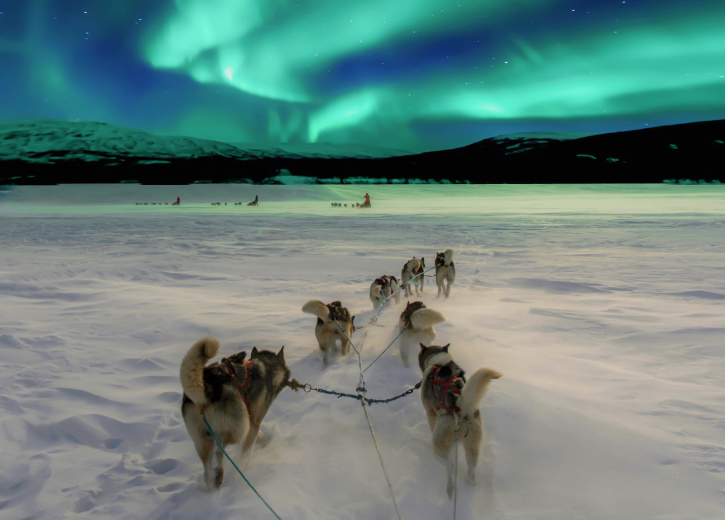
The best time to go on a husky safari in Lapland is December through April, when snow conditions are reliable and temperatures create ideal sledding conditions. December and January offer deep winter darkness perfect for aurora viewing, while March and April provide longer daylight hours and milder temperatures. Your ideal timing depends on whether you prefer the magical polar night atmosphere or the brighter spring days, along with your tolerance for extreme cold versus more comfortable conditions.
Topic foundation
Few winter activities Lapland capture the imagination quite like mushing through pristine snow-covered wilderness behind a team of enthusiastic huskies. The experience combines adventure, connection with nature, and the chance to witness landscapes that transform dramatically throughout the winter season. Understanding how these seasonal variations affect your husky safari experience helps you choose timing that matches your preferences and creates memories you’ll treasure.
The husky safari season in northern Finland spans several months, each offering distinct characteristics that appeal to different travelers. Temperature fluctuations, daylight availability, snow quality, and aurora visibility all shift as winter progresses. These factors work together to create unique experiences whether you visit during the darkest depths of winter or as spring approaches.
Planning your husky sledding Lapland adventure requires considering what matters most to you. Some travelers prioritize the mystical atmosphere of polar night, while others prefer the comfort of milder temperatures and extended daylight. The huskies themselves are ready and eager throughout the entire season, adapted to Arctic conditions and thriving in the cold environment that makes sledding possible.
When is the best time of year to go on a husky safari in Lapland?
The optimal husky safari season runs from December through April, with each month offering distinct advantages. December and January provide reliable snow coverage with temperatures typically ranging from -10°C to -30°C, creating excellent sledding conditions. These months feature limited daylight hours, with the polar night creating an atmospheric backdrop perfect for aurora viewing after your safari.
February marks a transition period when daylight begins returning noticeably, offering a balance between winter darkness and increasing light. This month often provides stable cold weather with well-packed snow trails, making it popular for winter activities Lapland. The huskies are in peak condition, having adjusted fully to their working season.
March and April represent late winter, bringing longer days and temperatures that typically range from -5°C to -15°C. The milder conditions make these months comfortable for travelers less accustomed to extreme cold, while snow coverage remains excellent. The increased daylight allows you to better appreciate the surrounding wilderness and photograph your experience, though aurora viewing opportunities decrease as nights shorten.
Peak season typically falls between late December and early March, when accommodation and activity demand is highest. Shoulder season periods in early December and late March/April often provide better availability and sometimes more flexible scheduling, while still offering excellent husky sledding conditions.
What weather conditions should you expect during a husky safari?
Lapland winter travel during husky safari season means experiencing true Arctic conditions. December through February temperatures frequently drop below -20°C, with occasional periods reaching -30°C or colder. These temperatures, combined with crisp, dry air, create ideal conditions for snow quality and husky comfort. The dogs actually prefer colder weather, as they’re bred for Arctic environments and can overheat in warmer conditions.
Snow conditions vary throughout the season but generally remain excellent for sledding. Fresh powder in early winter gradually compacts into firm, fast trails that provide smooth rides. Experienced guides monitor trail conditions daily and adjust routes based on weather patterns, ensuring safe and enjoyable experiences regardless of recent snowfall or temperature fluctuations.
Wind chill can significantly affect how cold temperatures feel, particularly in open areas. Most husky safari routes wind through forest areas that provide natural wind protection, making the experience more comfortable than you might expect. Clear, calm days offer spectacular visibility and comfortable conditions despite low temperatures, while light snowfall adds magical atmosphere without impacting the activity.
Daylight hours shift dramatically across the season. December and January offer only a few hours of twilight in northern Lapland, creating an otherworldly blue atmosphere. By March, daylight extends to eight or nine hours, and April brings spring-like brightness. Operators adapt safari timing to available light, with some offering twilight or evening departures that enhance the experience with unique lighting conditions.
How do you prepare for different seasons during a husky safari?
Proper preparation ensures comfort during your husky safari Lapland adventure, with clothing requirements varying based on timing. Layering is essential throughout the season, starting with thermal base layers that wick moisture away from your skin. Most operators provide thermal outerwear including insulated jackets, snow pants, boots, and gloves, but your personal base and mid-layers make the difference between comfort and cold.
For December through February safaris, prioritize maximum warmth. Wear thermal underwear made from merino wool or synthetic materials, avoid cotton which retains moisture and loses insulating properties when damp. Add a fleece or wool mid-layer before putting on provided outerwear. Bring a warm hat that covers your ears, and consider a neck warmer or balaclava for face protection during the coldest periods.
March and April allow slightly lighter layering while maintaining the same principles. You’ll still need quality base layers and warm accessories, but you may find yourself more comfortable with less bulk in mid-layers. The milder temperatures make it easier to regulate body temperature, though you should still prepare for cold as you’ll be sitting on the sled for portions of the journey.
Footwear deserves special attention regardless of season. The provided thermal boots are designed for Arctic conditions, but wearing thick wool or thermal socks underneath enhances warmth. Avoid tight-fitting boots that restrict circulation, as this actually makes feet colder. Hand warmers tucked into gloves or boots provide extra comfort during the coldest months, though most travelers find provided gear adequate when properly layered underneath.
What’s the difference between early winter and late winter husky safaris?
Early winter husky safaris in December and January immerse you in the polar night atmosphere that defines Arctic winter. The limited daylight creates a twilight world where snow glows blue and stars remain visible throughout the day. This darkness provides optimal conditions for aurora viewing, and you might spot the northern lights dancing overhead during your safari or while relaxing afterwards at Aurora Queen Resort.
The extreme cold of early winter brings crisp, clear conditions that many find exhilarating. The huskies are fresh and energetic at the season’s start, and the landscape feels untouched and pristine. Snow lies deep and powdery, creating picture-perfect scenery. However, these months require more preparation for cold and offer limited photography opportunities due to low light levels.
Late winter safaris in March and April provide a completely different experience. Extended daylight allows you to fully appreciate the vast wilderness surrounding you, with excellent visibility for photography and wildlife spotting. You might glimpse a fox moving across the snow or observe birds returning as spring approaches. The temperatures feel more accessible to those unaccustomed to extreme cold, making the experience comfortable while still authentically Arctic.
Snow quality remains excellent in late winter but takes on different characteristics. The packed trails provide fast, smooth sledding, and the spring sun creates sparkling surfaces that catch the light beautifully. Aurora viewing becomes less reliable as nights shorten, though they remain visible during darker evening hours. The overall atmosphere shifts from the mystical depths of winter toward the anticipation of spring, offering a lighter, brighter experience while maintaining all the adventure of husky sledding.
Knowledge synthesis
Choosing the best time for your husky safari Lapland adventure ultimately depends on your personal preferences and priorities. The classic deep winter experience of December through February offers authentic Arctic conditions, spectacular aurora opportunities, and the magical atmosphere of polar night. Late winter in March and April provides more comfortable temperatures, extended daylight for better visibility, and equally excellent sledding conditions.
Consider what matters most to you when planning your Lapland winter travel. If aurora viewing tops your list and you’re comfortable with extreme cold, aim for December through February. If you prefer milder conditions and want to fully see the surrounding wilderness during your safari, March and April deliver wonderful experiences with less intense weather.
The huskies themselves thrive throughout the entire season, providing enthusiastic companionship and reliable performance regardless of timing. Professional guides ensure safe, memorable experiences adapted to current conditions, whether you’re mushing through fresh powder under twilight skies or racing across packed trails in bright spring sunshine.
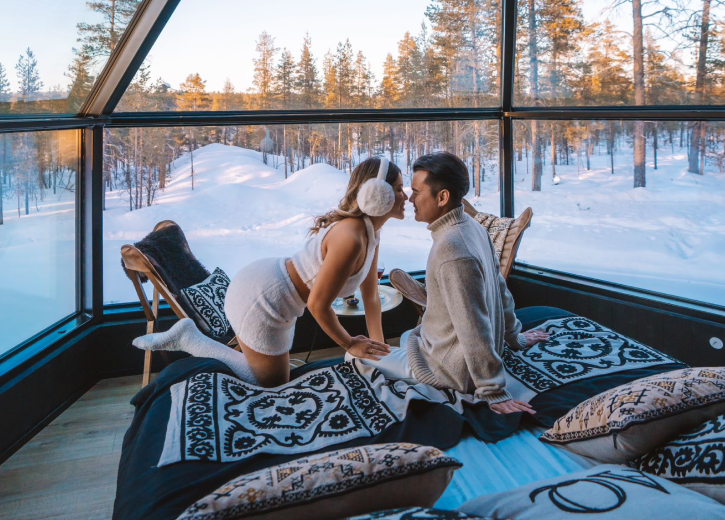
Combining your husky safari with other winter activities in Lapland creates a complete Arctic adventure. After an exhilarating day driving your dog team through pristine wilderness, returning to warm, comfortable accommodation where you can watch for auroras through glass ceilings extends the magic. The contrast between outdoor adventure and cozy relaxation captures the essence of Lapland’s winter appeal, creating memories that last well beyond your journey home.