The best time to book a glass igloo in Lapland, Finland is 6–12 months in advance for peak aurora season visits (December–February), though shoulder season bookings (September–November, March) can often be made 3–6 months ahead. Timing depends on your priorities: peak season offers the most reliable winter conditions and aurora viewing opportunities, while the shoulder seasons provide better availability and pricing with still excellent northern lights chances.
What is the aurora season in Lapland and when are northern lights most visible?
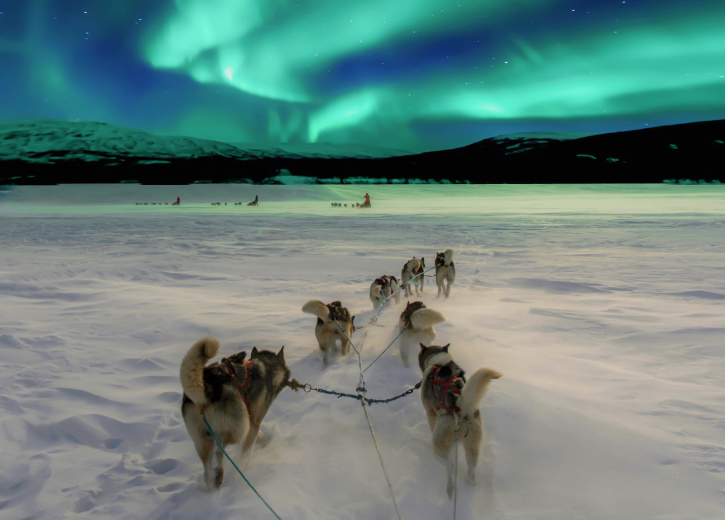
The aurora season in Lapland runs from late August through April, with peak visibility occurring between September and March, when nights are sufficiently dark. The northern lights are most active around the equinoxes in September and March, though December through February offers the longest viewing windows due to extended polar nights.
Aurora visibility depends on several scientific factors beyond just darkness. Solar activity follows an 11-year cycle, with increased activity producing more frequent and intense displays. Geomagnetic storms, caused by solar wind interacting with Earth’s magnetic field, can trigger spectacular aurora shows even during quieter solar periods.
Weather conditions play an equally important role in northern lights viewing. Clear skies are essential, as even thin cloud cover can obscure the aurora completely. Lapland’s inland location provides more stable weather patterns compared to coastal areas, with clearer skies typically occurring during colder periods when high-pressure systems dominate.
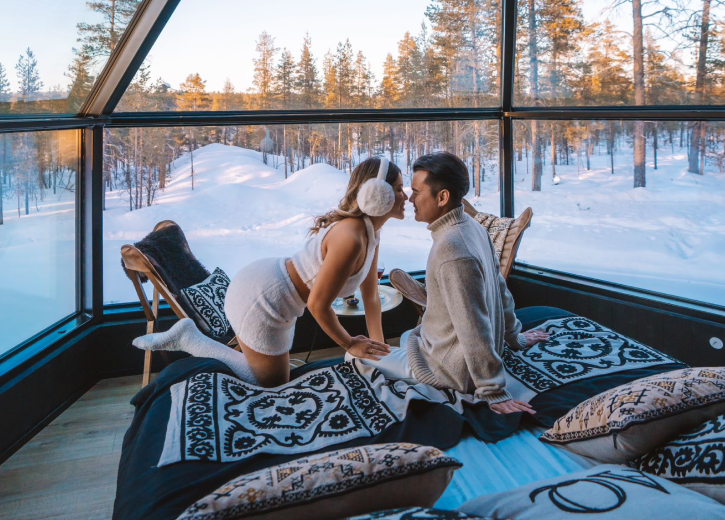
The optimal viewing window each night occurs between 9 p.m. and 2 a.m., when aurora activity peaks and artificial light interference is minimal. Glass igloos in Lapland, Finland position you perfectly for these prime viewing hours, allowing comfortable aurora watching from your bed throughout the night.
How far in advance should you book a glass igloo in Lapland?
Book 6–12 months ahead for December through February visits, as these peak months fill up quickly due to optimal aurora conditions and winter activities. Shoulder season stays (September–November, March–April) typically require 3–6 months’ advance booking, offering more flexibility while maintaining excellent northern lights opportunities.
Peak season demand patterns reflect the convergence of several factors: school holidays, optimal weather conditions, and maximum aurora activity. Christmas and New Year periods book out earliest, often within days of becoming available. February half-term holidays also see intense competition for glass igloo accommodations.
Early booking advantages extend beyond availability. Many Lapland, Finland igloo hotel properties offer early-bird pricing that can reduce costs significantly compared to last-minute rates. You’ll also secure preferred igloo locations and have better flight options when booking accommodation and travel simultaneously.
Last-minute booking possibilities do exist, particularly for weekday stays and shoulder season periods. Cancellations occasionally create openings even during peak times, though this approach requires flexibility with dates and potentially higher costs. Weather-related cancellations sometimes free up spaces, but relying on this strategy risks disappointment.
What’s the difference between peak season and shoulder season for glass igloo stays?
Peak season (December–February) offers guaranteed snow and the longest nights but comes with premium pricing and limited availability. The shoulder seasons (September–November, March–April) provide excellent aurora viewing with milder weather, better availability, and reduced costs, though snow coverage may be less reliable.
Peak winter months deliver the classic Lapland experience with deep snow, frozen landscapes, and polar night conditions. Temperatures typically range from -10°C to -30°C, creating magical winter wonderlands but requiring proper preparation for outdoor activities. Aurora viewing conditions are excellent due to extended darkness, with viewing possible from late afternoon through early morning.
The shoulder seasons offer unique advantages often overlooked by visitors. September and October provide comfortable temperatures for outdoor exploration while maintaining excellent aurora visibility. March and April combine reliable northern lights with longer daylight hours, allowing both winter activities and spring experiences during the same visit.
Weather reliability varies between seasons, affecting both comfort and aurora viewing success. Peak winter offers predictable cold conditions but an increased likelihood of snowstorms that can obscure views. The shoulder seasons may have more variable weather but often feature clearer skies and less atmospheric disturbance.
The overall experience quality differs significantly between periods. Peak season brings bustling activity and full winter ambiance but also crowds and higher stress levels. The shoulder seasons provide more intimate experiences with nature, better photography opportunities due to varied lighting conditions, and often more personalised service from accommodation providers.
Why do glass igloo prices vary so much throughout the year?
Seasonal pricing fluctuates based on demand patterns, aurora activity levels, and operational costs, with peak winter rates often 50–100% higher than shoulder season prices. Holiday premiums, weather reliability, and limited accommodation inventory during optimal viewing periods drive the most significant price variations.
Demand fluctuations follow predictable patterns tied to aurora visibility and weather conditions. December through February sees the highest demand due to optimal northern lights conditions, school holidays, and traditional winter tourism expectations. This concentrated demand allows properties to command premium rates during relatively short peak periods.
Aurora activity levels influence pricing strategies, as accommodations in Lapland, Finland igloo hotel properties market specifically to northern lights enthusiasts. Months with historically higher aurora activity and clearer skies justify higher rates due to increased viewing success probability. Properties often adjust pricing based on solar activity forecasts and seasonal aurora predictions.
Operational considerations significantly impact pricing structures. Heating costs during extreme cold periods, snow removal requirements, and challenging supply logistics during winter months increase operational expenses. Staff accommodation and retention during peak periods also require premium compensation, reflected in accommodation pricing.
Holiday premiums apply during Christmas, New Year, and European school holiday periods, when demand peaks regardless of other factors. These periods often see the highest rates of the year, sometimes doubling standard peak season pricing due to concentrated booking pressure and limited alternative accommodation options.
How do weather conditions affect glass igloo bookings and aurora viewing?
Clear skies are essential for aurora viewing, making weather patterns a primary factor in booking timing and viewing success. Cloud cover, precipitation, and atmospheric conditions can completely obscure northern lights displays, while temperature extremes affect comfort and igloo accessibility.
Cloud cover presents the greatest challenge to aurora viewing, as even thin high-altitude clouds can diminish or completely hide northern lights displays. Lapland’s weather patterns show that inland locations typically experience clearer skies during high-pressure systems, which often coincide with colder temperatures and more stable atmospheric conditions.
Temperature considerations affect both booking decisions and actual viewing experiences. Extreme cold below -35°C can impact igloo heating systems and guest comfort, though modern glass igloos maintain comfortable interior conditions even in severe weather. Moderate cold between -15°C and -25°C often provides optimal conditions with clear skies and comfortable viewing.
Precipitation timing influences both immediate viewing opportunities and longer-term booking strategies. Fresh snowfall can create beautiful landscapes for photography but may coincide with cloudy conditions that prevent aurora viewing. Understanding regional weather patterns helps optimise booking timing for clearer-sky probabilities.
Atmospheric conditions beyond basic weather affect aurora visibility and intensity. Humidity levels, air pressure changes, and wind patterns influence both aurora activity and viewing clarity. Experienced aurora watchers often monitor weather forecasts alongside geomagnetic activity predictions to maximise viewing success during their glass igloo stays.
Weather-based booking strategies involve understanding seasonal patterns and maintaining flexibility when possible. Booking multiple nights increases the chances of experiencing clear skies for aurora viewing, while choosing accommodations with weather-protected viewing options ensures comfort regardless of conditions. Many visitors find that patience and proper planning reward them with unforgettable northern lights experiences, even when the weather initially seems challenging.
Book Your Lapland Glass Igloo Experience Today
Ready to witness the northern lights from the comfort of your own glass igloo? Don’t wait until it’s too late – the best viewing periods book out months in advance. Whether you’re planning a romantic getaway, family adventure, or solo aurora hunting expedition, securing your accommodation early ensures you won’t miss out on this once-in-a-lifetime experience.
Book your glass igloo holiday now and prepare for an unforgettable journey under the Arctic sky. With premium accommodations, expert local guides, and prime northern lights viewing locations, your Lapland adventure awaits. The aurora is calling – will you answer?