
Lapland offers a remarkable range of winter sports, from cross-country skiing and ice fishing to husky safaris and snowmobile expeditions. The region’s vast Arctic wilderness, reliable snowfall, and frozen lakes create ideal conditions for outdoor adventure from late autumn through early spring. Whether you are a complete beginner or a seasoned winter sports enthusiast, Finnish Lapland has something genuinely special to offer. Below, we answer the most common questions travellers ask before planning their winter trip north.
What are the most popular winter sports in Lapland?
The most popular winter sports in Lapland include cross-country skiing, snowmobiling, ice fishing, husky safaris, reindeer sleigh rides, and snowshoeing. These activities take full advantage of the region’s frozen lakes, deep forests, and open fells, making Lapland one of Europe’s most rewarding winter sports destinations for all experience levels.
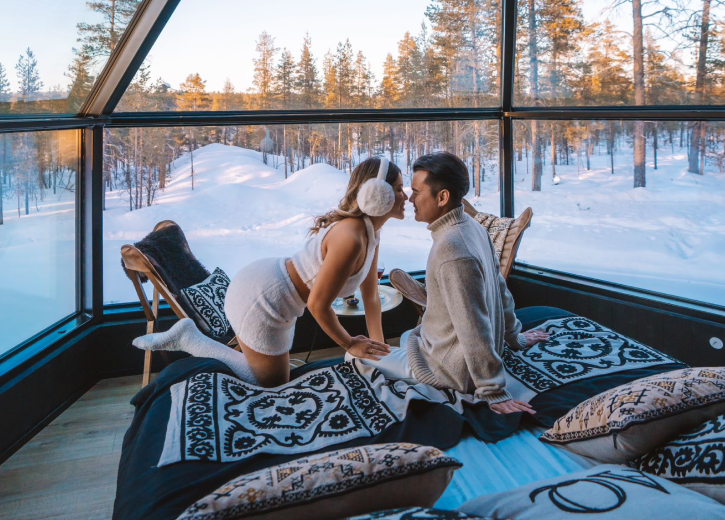
What makes Lapland stand apart from other winter destinations is the sheer variety available within a single trip. In one day, you might glide silently through a pine forest on skis in the morning, then race across a frozen lake on a snowmobile in the afternoon, and end the evening watching the Northern Lights from the warmth of a glass igloo accommodation in Lapland. The activities here are not just sports in the conventional sense — they are immersive experiences rooted in Arctic culture and landscape.
Some of the most sought-after Lapland activities include:
- Cross-country skiing on groomed trails through old-growth forest and open fells
- Snowmobiling across vast frozen terrain, often guided through remote wilderness areas
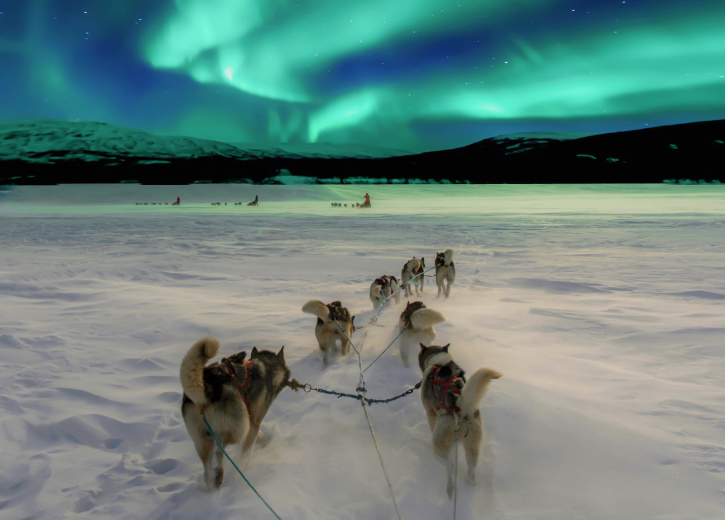
- Husky safaris, where you drive or ride a sled pulled by a team of energetic Siberian or Alaskan huskies
- Reindeer sleigh rides, a deeply traditional Lapland experience tied to Sámi culture
- Ice fishing on frozen lakes, a meditative and surprisingly accessible activity
- Snowshoeing for those who want to explore the forest at a gentler pace
- Aurora hunting tours, guided excursions into dark wilderness areas to maximise your chances of seeing the Northern Lights
The combination of professional guides, well-maintained equipment, and a landscape that feels entirely untouched makes winter sports in Lapland genuinely unlike anything available further south in Europe.
Is cross-country skiing good in Finnish Lapland?
Cross-country skiing in Finnish Lapland is outstanding. The region offers hundreds of kilometres of groomed trails, reliable snow cover from November through April, and a landscape of forests, fells, and frozen lakes that makes every route visually spectacular. Saariselkä in particular is one of Finland’s most celebrated cross-country skiing destinations.
Finnish Lapland receives consistent snowfall and maintains low temperatures throughout winter, which means trail conditions stay excellent for months. Unlike many central European ski resorts that depend on artificial snowmaking, Lapland’s natural snow base is deep and dependable. Trails are regularly groomed and range from gentle beginner loops to demanding multi-day routes through the wilderness.
Cross-country skiing in Lapland is also notably accessible. Rental equipment is widely available, and many trails are clearly marked and suitable for first-timers. At the same time, experienced skiers will find long, challenging routes that push their endurance and reward them with some of the most remote and beautiful scenery in all of Scandinavia.
One of the distinctive pleasures of skiing in Finnish Lapland is the atmosphere. In the depths of winter, you may ski under the dim blue light of the polar day, through forests draped in heavy snow, with no sound other than the rhythm of your own poles. During the Northern Lights season, evening skiing under a vivid sky is an experience that is genuinely hard to replicate anywhere else in the world.
What is a husky safari and how does it work?
A husky safari is a guided excursion in which participants drive or ride in a sled pulled by a team of trained sled dogs, typically Siberian or Alaskan huskies. In Finnish Lapland, husky safaris range from short introductory rides of 30 minutes to full-day wilderness expeditions covering many kilometres of frozen trails.
Most husky safari experiences begin with a briefing at a dog farm, where guides explain how to control the sled, manage the dogs, and stay safe on the trail. Participants usually have the option to either drive their own sled or ride as a passenger in a sled driven by a guide. Driving your own team is the more immersive choice and is well within reach for most adults — the dogs are highly trained and naturally eager to run.
The experience of a husky safari is hard to describe without having done it. The silence of the forest, broken only by the padding of paws, the energy of the dogs, and the sensation of gliding through a snow-covered landscape, creates a powerful connection with the Arctic environment. It is one of the most emotionally memorable Lapland activities available.
Husky safaris are suitable for most fitness levels, including families with older children. We offer husky safaris and winter activities as part of our activity programme at Aurora Queen Resort, and they consistently rank among the most popular excursions our guests choose during their stay in Saariselkä.
Can you go ice fishing in Lapland as a beginner?
Yes, ice fishing in Lapland is genuinely beginner-friendly. No prior fishing experience is needed, and guided ice fishing tours provide all the equipment, instruction, and local knowledge required to get started. The activity involves drilling a hole through the frozen surface of a lake and fishing through the ice, usually for perch, pike, or Arctic char.
Guided ice fishing tours are the most accessible entry point. A knowledgeable local guide will lead your group to a productive spot on a frozen lake, demonstrate how to drill the hole, set up the line, and read the conditions. The pace is relaxed, the equipment is simple, and the setting is deeply peaceful. Many visitors who have never fished before find it one of their most memorable Lapland experiences precisely because of its meditative quality.
Beyond the fishing itself, ice fishing offers something less tangible but equally valuable: the chance to sit quietly on a vast frozen lake, surrounded by silence and snow, with nothing demanding your attention. In a world of constant noise and stimulation, that stillness is its own kind of reward.
Practical considerations for beginners include:
- Dress in warm, layered clothing — you will be stationary for extended periods, which means the cold becomes more noticeable
- Wear waterproof boots suitable for standing on ice and snow
- Book a guided tour rather than attempting independent ice fishing, especially if you are unfamiliar with ice safety
- Check whether the tour includes equipment rental or whether you need to bring anything specific
Ice fishing in Lapland is available throughout the winter season and is suitable for adults and children alike. It pairs beautifully with other quieter activities like snowshoeing or an evening Aurora hunting excursion.
When is the best time to do winter sports in Lapland?
The best time for winter sports in Lapland is between late November and early April, when snow cover is reliable and conditions are ideal for skiing, snowmobiling, ice fishing, and husky safaris. January through March offers the most stable conditions and the longest period of usable snow, making it the peak season for most winter activities.
Each part of the winter season has its own distinct character, and the best timing depends on what you are hoping to experience:
- November to December: The first snowfall transforms the landscape, and the polar night brings extended darkness — ideal for Aurora hunting. Some trails and activities open as early as mid-November, though snow depth can vary.
- January to February: Deep snow, frozen lakes, and reliable cold make this the prime window for snowmobiling, ice fishing, and cross-country skiing. Temperatures can drop significantly, but this is also when the wilderness feels most authentically Arctic.
- March to early April: Daylight returns and temperatures begin to moderate slightly, making outdoor activities more comfortable. The snow remains excellent, and the combination of bright sunshine and white landscape is visually stunning. This period is particularly popular with families and those who find deep winter temperatures challenging.
For Northern Lights viewing alongside winter sports, the period from late September through March offers the longest hours of darkness and therefore the best Aurora conditions. In Saariselkä, the resort’s position far from light pollution sources means clear nights offer exceptional viewing opportunities throughout this window.
Where in Lapland can you do the most winter activities?
Saariselkä, in the heart of Finnish Lapland, is one of the best-positioned destinations for winter activities, offering direct access to cross-country skiing trails, snowmobile routes, husky safaris, ice fishing lakes, and Aurora hunting excursions all within a compact area. Its location within and adjacent to Urho Kekkonen National Park adds a wilderness dimension that few other Lapland resorts can match.
Finnish Lapland more broadly is home to several well-established winter activity hubs, each with its own character. Saariselkä stands out for its combination of natural wilderness, proximity to a national park, and the density of activities available within a short distance. The fell landscape provides excellent terrain for skiing and snowshoeing, while the surrounding lakes and forests create ideal conditions for ice fishing and snowmobiling.
What makes Saariselkä particularly appealing for travellers who want to do as much as possible in a short stay is the convenience. Many activity providers operate directly from the village or from nearby farms, meaning you can move between a morning husky safari, an afternoon on cross-country skis, and an evening Aurora hunting tour without lengthy transfers between locations.
For those seeking Saariselkä winter activities that go beyond sport and into genuine Arctic experience, the region also offers reindeer farm visits, traditional Finnish sauna culture, and the remarkable stillness of the national park on snowshoes at dusk. It is a destination that rewards slow travel as much as active adventure, and the two complement each other naturally across a well-planned winter stay in Saariselkä.