

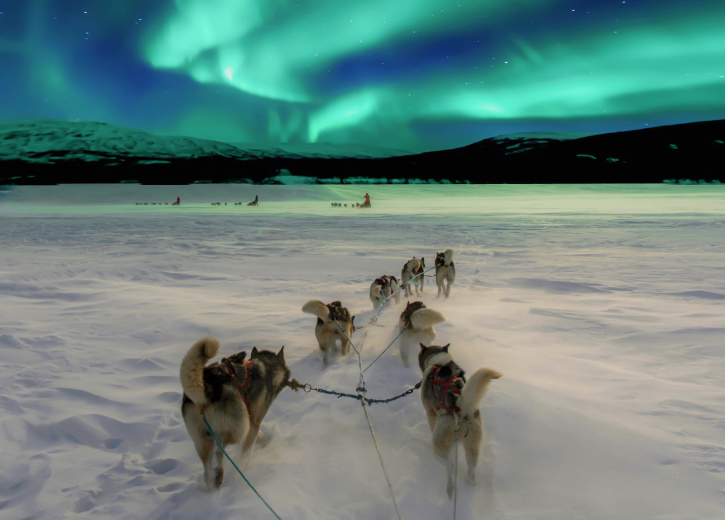

Lapland offers exceptional wildlife viewing opportunities throughout the year, with reindeer, moose, and diverse bird species being the most commonly spotted animals. The pristine nature in Lapland supports a remarkable variety of Arctic wildlife, from frequently seen species to rare predators like foxes and wolverines. Your chances of encountering wildlife depend on the season, location, and time of day you venture into the northern wilderness.
What are the most common animals you’ll encounter in Lapland?
Reindeer are the most frequently spotted animals in Lapland, often seen grazing near roads, forests, and open tundra areas. Moose inhabit the region’s forests and wetlands, whilst numerous bird species including Siberian jays, great grey owls, and various waterfowl populate the landscape throughout different seasons. These animals thrive in Lapland due to the region’s vast wilderness areas, minimal human disturbance, and abundance of natural food sources adapted to Arctic conditions.
The reindeer population in northern Finland includes both wild and semi-domesticated herds that roam freely across the landscape. During your stay, you’ll likely spot these magnificent animals near forested areas, particularly during early morning or evening hours when they’re most active. Reindeer have developed remarkable adaptations for Arctic life, including specialized hooves that act as snowshoes in winter and provide traction on summer terrain.
Moose present another common sight in the nature in Lapland, though they’re more elusive than reindeer. These impressive animals prefer areas near water sources and young forest growth where they feed on willow, birch, and aquatic plants. Bull moose can weigh up to 700 kilograms, making them the largest land mammals in the region. They’re most visible during dawn and dusk when they venture from forest cover to feed in open areas.
Bird enthusiasts will find the nature in Lapland particularly rewarding. The Siberian jay, with its distinctive fluffy appearance and fearless nature, often approaches visitors in forested areas. During summer months, the midnight sun creates extended feeding periods, allowing you to observe species like ptarmigans, golden eagles, and various waterfowl throughout the day and night.
When is the best time to see wildlife in northern Finland?
Wildlife viewing opportunities vary dramatically by season in Lapland. Spring and early summer (May to July) offer the most active wildlife periods, with migrating birds returning and animals emerging after winter. Autumn (September to October) provides excellent viewing as animals prepare for winter and birds migrate south. Winter months bring unique opportunities to spot animals against snowy landscapes, particularly during the aurora viewing season when you might observe wildlife during evening walks.
The summer midnight sun period creates exceptional conditions for wildlife observation, as animals remain active throughout the extended daylight hours. This season brings nesting birds, newborn reindeer calves, and increased animal movement as they take advantage of abundant food sources. The long days allow for flexible viewing times, whether you’re exploring during traditional daytime hours or enjoying the surreal experience of wildlife watching at midnight.
Winter presents different but equally compelling wildlife viewing opportunities. Whilst some species migrate or hibernate, those that remain become more visible against the white landscape. Reindeer gather in larger herds, making them easier to spot. The tracks in fresh snow reveal the presence of foxes, hares, and other animals that might otherwise go unnoticed. Winter also coincides with the aurora season, creating the magical possibility of observing wildlife beneath the northern lights.
Autumn migration periods transform the nature in Lapland into a haven for bird watchers. Thousands of waterfowl and wading birds pass through the region, creating spectacular viewing opportunities. This season also marks the rutting period for moose, when bulls become more visible and vocal as they compete for mates. The changing colours of the landscape provide stunning backdrops for wildlife photography.
What rare or special animals might you spot during your Lapland visit?
The fox represents one of Lapland’s most sought-after wildlife sightings, with its pristine white winter coat and remarkable adaptations to extreme cold. Brown bears, wolverines, and lynx also inhabit the region, though spotting these elusive predators requires exceptional luck and often specialist guided expeditions. Bird species like ptarmigans, which change plumage colour seasonally, golden eagles, and rough-legged buzzards offer special sightings for patient observers willing to spend time in appropriate habitats.
The fox in its winter coat stands as perhaps the most iconic rare sighting in Lapland. These remarkable animals have adapted to survive temperatures dropping below minus 40 degrees Celsius, with thick fur covering even their foot pads. They hunt small rodents beneath the snow using their exceptional hearing to locate prey. Spotting a fox requires patience and luck, as they roam vast territories and remain naturally cautious around humans.
Brown bears inhabit Lapland’s most remote wilderness areas, primarily in the eastern regions near the border. These powerful animals emerge from hibernation in spring and spend summer months feeding intensively to prepare for the next winter. Whilst bear sightings remain extremely rare without specialist wildlife tours, knowing they inhabit the surrounding wilderness adds an element of wild authenticity to the nature in Lapland.
Wolverines represent perhaps the most elusive mammal in the region. These powerful predators roam enormous territories and avoid human contact. Lynx, though present in Lapland’s forests, are similarly secretive and rarely seen. Both species leave tracks and signs of their presence, and experienced observers might spot evidence of their activities even without direct sightings.
Bird enthusiasts should watch for ptarmigans, which provide a fascinating example of seasonal adaptation. Their plumage changes from mottled brown in summer to pure white in winter, providing perfect camouflage year-round. Golden eagles soar above fell areas, whilst Siberian jays bring charm to forest walks with their curious and approachable nature.
How can you safely observe wildlife while staying in Lapland?
Safe wildlife observation requires maintaining appropriate distances, moving quietly and calmly, and never attempting to feed or approach wild animals. Keep at least 30 metres from reindeer and 100 metres from moose, particularly during calving season or winter when animals conserve energy. Use binoculars or telephoto lenses for closer views without disturbing natural behaviours. Respect the pristine Arctic environment by staying on designated paths where possible and removing all traces of your visit.
Understanding animal behaviour helps ensure both your safety and their wellbeing. Moose, despite their generally calm demeanour, can become aggressive if they feel threatened, particularly females with calves or bulls during rutting season. Warning signs include laid-back ears, raised hackles, and pawing the ground. If you encounter these behaviours, slowly back away whilst facing the animal and seek shelter behind trees or large rocks if necessary.
Reindeer are generally docile but deserve respectful distance. During winter, they conserve energy carefully, and unnecessary disturbance forces them to expend precious calories fleeing. If reindeer move away from you, you’re too close. Stop moving and allow them to resume their activities. This patience often rewards you with better viewing opportunities as animals relax and behave naturally.
Photography enthusiasts should prioritize animal welfare over perfect shots. Use appropriate telephoto lenses rather than approaching closely. Avoid using flash photography, which can startle animals and disrupt their natural behaviour. The best wildlife photographs come from patient observation, allowing animals to become comfortable with your distant presence whilst you wait for natural behavioural moments.
The nature in Lapland remains pristine partly because visitors respect its fragility. Stay on marked trails when they exist to minimize habitat disturbance. Pack out everything you bring in, as even organic waste like fruit peels can disrupt local ecosystems. Your responsible observation practices help ensure these remarkable wildlife viewing opportunities remain available for future visitors whilst protecting the animals that make this region so special.
During your stay at Aurora Queen Resort in northern Finland, early morning and evening hours typically offer the most rewarding wildlife viewing opportunities. The peaceful environment naturally encourages animal activity, and patient observation from the resort’s surroundings can sometimes provide unexpected sightings without venturing far into the wilderness.