

Lapland’s nature offers extraordinary wildlife encounters in one of Europe’s last pristine wilderness areas. This Arctic region hosts unique species perfectly adapted to extreme conditions, including reindeer, brown bears, wolverines, and the elusive Arctic fox. The combination of boreal forests, tundra landscapes, and seasonal variations creates optimal habitats for diverse wildlife throughout the year.
What makes Lapland’s wildlife so unique and diverse?
Lapland’s wildlife thrives in a distinctive Arctic ecosystem where species have evolved remarkable adaptations to survive extreme temperatures and seasonal light variations. The region’s pristine wilderness spans vast boreal forests, open tundra, and wetland areas that remain largely untouched by human development.
The extreme seasonal variations create unique ecological niches that support both resident and migratory species. During the polar night, temperatures can drop to -40°C, while summer brings nearly 24 hours of daylight and temperatures reaching 20°C. This dramatic range has shaped wildlife behaviour patterns unlike anywhere else in Europe.
Northern Finland’s wilderness areas maintain exceptional biodiversity because large predators still roam freely across interconnected habitats. Brown bears, wolverines, and lynx occupy territories spanning hundreds of square kilometres, while smaller mammals like foxes and pine martens adapt to seasonal food availability through remarkable survival strategies.
The region’s isolation has preserved natural migration corridors and breeding grounds that have disappeared elsewhere in Europe. Wetlands remain undisturbed, providing crucial nesting sites for Arctic birds, while old-growth forests offer shelter for species requiring mature woodland ecosystems.
Which iconic Arctic animals can you encounter in Lapland?
Lapland’s nature hosts several iconic Arctic species, with reindeer being the most visible and culturally significant. Semi-domesticated herds roam freely across the landscape, while wild populations maintain their natural migration patterns through forests and tundra regions.
The Arctic fox represents one of Lapland’s most remarkable success stories. These small predators display incredible adaptability, changing their coat colour from brown in summer to pure white in winter. They hunt small mammals beneath the snow, using their exceptional hearing to locate prey moving in tunnels below the surface.
Brown bears inhabit the dense forests, emerging from hibernation in spring to forage for berries, fish, and vegetation. These massive predators can weigh up to 300 kilograms and play a crucial role in seed dispersal across forest ecosystems. Wolverines, though rarely seen, traverse enormous territories and possess the strength to take down prey much larger than themselves.
Bird species include the majestic golden eagle, Siberian jay, and various owl species adapted to hunting in low-light conditions. During the summer months, migratory birds arrive from across Europe and Asia, taking advantage of the abundant insect life and extended daylight hours for breeding.
When is the best time to see wildlife in Lapland’s nature?
Wildlife viewing opportunities in Lapland’s nature vary dramatically by season, with each period offering distinct advantages for observing different species. Spring and early summer provide the most active wildlife periods, while winter offers unique opportunities to spot animals against snowy landscapes.
May through August marks peak wildlife activity, when animals emerge from winter survival mode. Brown bears become visible as they forage for early vegetation, while migratory birds arrive in massive numbers. Fox families can be observed with their young, and reindeer gather in larger herds before their summer dispersal.
Winter months from December to March offer exceptional tracking opportunities, when animal movements become visible in fresh snow. Fox hunting patterns, hare trails, and predator territories become readable stories written across the white landscape. The contrast between dark fur and snow makes wildlife spotting easier during the brief daylight hours.
Weather conditions significantly impact wildlife visibility and behaviour. Clear, calm days provide optimal viewing conditions, while storms drive animals to seek shelter. Temperature fluctuations affect feeding patterns, with many species becoming more active during warmer periods, when energy conservation becomes less critical.
How can you experience Lapland’s wildlife through guided activities?
Guided wildlife experiences in Lapland’s nature combine authentic encounters with expert knowledge, ensuring both safety and educational value. Professional guides understand animal behaviour patterns and seasonal movements, maximising opportunities for meaningful wildlife observations while respecting natural habitats.
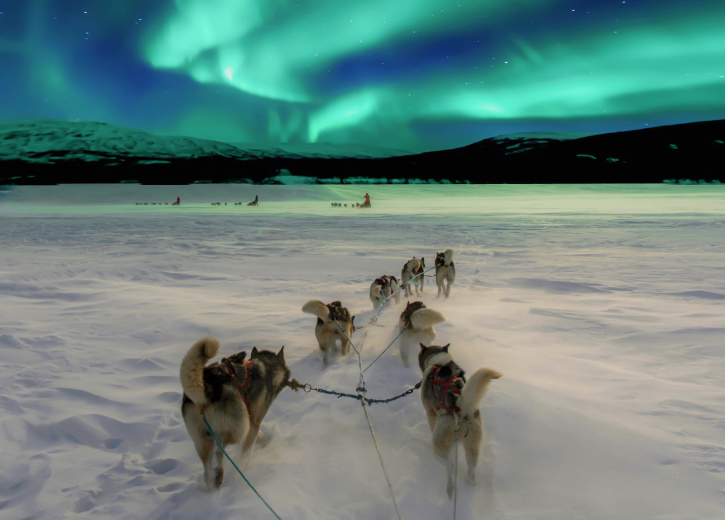
Husky safaris provide intimate access to wilderness areas where wildlife thrives undisturbed. These guided adventures cover 10-kilometre routes through pristine forests, offering opportunities to spot fox tracks, bird species, and evidence of larger predators. The silence of dog sledding allows for natural wildlife encounters without the disruption of engine noise.
Reindeer farm visits offer authentic connections with Sámi culture while allowing you to observe these remarkable Arctic animals up close. These experiences provide insights into traditional herding practices and the deep relationship between indigenous peoples and Lapland’s wildlife. Visitors learn about reindeer behaviour, seasonal migrations, and their crucial role in Arctic ecosystems.
Snowmobile safaris access remote wilderness areas where wildlife density remains highest. Evening adventures combine northern lights hunting with wildlife tracking, as many Arctic species become more active during twilight hours. These guided expeditions follow established routes that minimise environmental impact while maximising wildlife viewing opportunities.
Where can you stay to maximise your Lapland wildlife experience?
Accommodation location significantly influences wildlife viewing opportunities, with remote wilderness lodges offering the best access to undisturbed natural habitats. Properties situated away from urban areas provide direct access to wildlife corridors and migration routes used by Arctic species.
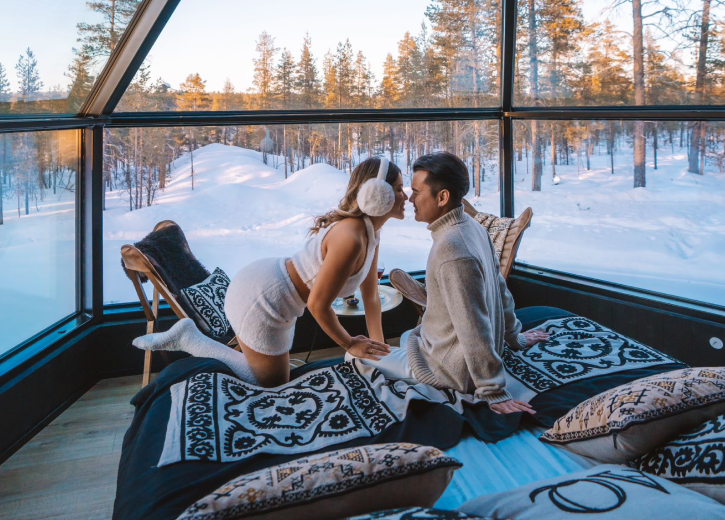
Glass igloo accommodation creates unique vantage points for observing nocturnal wildlife behaviour while maintaining comfortable shelter from Arctic conditions. These transparent structures allow continuous nature observation without disturbing natural animal patterns, particularly during the winter months, when wildlife activity becomes concentrated around food sources.
We position our glass-ceiling igloos strategically within Lapland’s nature to maximise wildlife encounters while ensuring guest comfort. The transparent design enables observation of fox hunting patterns, reindeer movements, and bird behaviour at different times of day and night. This accommodation style transforms wildlife viewing from scheduled activities into continuous natural experiences.
Our comprehensive activity programme includes guided husky safaris through wilderness areas where Arctic wildlife thrives naturally. Professional guides lead reindeer farm visits that combine cultural education with authentic animal encounters, while snowmobile adventures access remote locations where larger predators maintain their territories away from human disturbance.
The combination of strategic accommodation placement and expert-guided activities creates optimal conditions for experiencing Lapland’s remarkable wildlife diversity. This approach ensures authentic encounters while supporting conservation efforts that protect these pristine Arctic ecosystems for future generations. Aurora Queen Resort offers wildlife experiences that combine luxury accommodation with authentic Arctic animal encounters.