

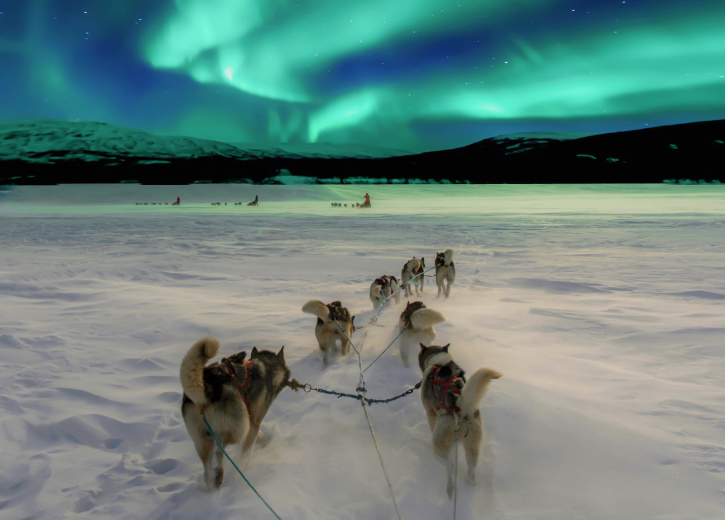

Arctic nature in northern Finland hosts a remarkable variety of wildlife perfectly adapted to extreme conditions. Reindeer, moose, foxes, wolverines, and brown bears are among the prominent mammals, whilst numerous bird species migrate through or inhabit these pristine landscapes. The diversity of arctic ecosystems supports everything from small rodents to large predators, each playing a vital role in this delicate northern environment.
What animals actually live in the arctic wilderness of northern Finland?
Northern Finland’s arctic wilderness supports diverse wildlife including reindeer, moose, foxes, wolverines, brown bears, hares, lemmings, and various bird species. These animals have evolved remarkable adaptations to thrive in harsh northern conditions. The region’s forests, fells, and wetlands create distinct habitats that support different species throughout the year.
Reindeer are perhaps the most iconic residents of Lapland’s arctic nature, roaming freely across vast territories. Both semi-domesticated and wild populations exist, and these creatures are superbly adapted to finding food beneath deep snow. Their broad hooves act like snowshoes, allowing them to move efficiently through winter landscapes.
Large mammals like moose inhabit the forested regions, whilst brown bears prefer areas with dense vegetation where they can find berries, insects, and small mammals. Foxes adapt their behaviour seasonally, hunting rodents year-round and scavenging when opportunities arise. Their thick winter coats turn white, providing excellent camouflage against snow.
Wolverines represent one of the rarer sightings in arctic nature, as these solitary creatures maintain large territories and avoid human contact. Mountain hares change their coat colour seasonally, appearing brown in summer and white in winter. This adaptation helps them avoid predators throughout the year.
Bird life varies dramatically by season. Year-round residents include willow grouse, ravens, and several owl species. During warmer months, arctic nature comes alive with migratory birds such as whooper swans, cranes, and numerous waterfowl species that arrive to breed in the extended daylight hours.
When is the best time to see wildlife in Lapland’s arctic nature?
Winter months from December through March offer excellent wildlife watching opportunities in arctic nature, particularly for observing reindeer, foxes, and winter-adapted birds. Spring and autumn provide chances to witness migratory species and animals preparing for seasonal changes. Each season presents unique advantages depending on which species interest you most.
Winter wildlife watching benefits from snow cover that makes animal tracks visible and creates contrast against white landscapes. Foxes become more active during daylight hours as they search for food, and their white winter coats make them easier to spot against darker vegetation. Reindeer gather in larger groups during this period, increasing your chances of sightings.
The spring period from April through May brings dramatic changes to arctic nature. Migratory birds return in large numbers, filling the landscape with activity and sound. Brown bears emerge from winter dormancy, though they remain elusive and rarely seen. This transitional season offers opportunities to observe animals adjusting their behaviour as daylight hours rapidly increase.
Summer months provide the longest daylight for wildlife observation, with activity occurring throughout the night during the midnight sun period. Young animals appear with their parents, and the abundance of food makes animals more active. However, dense vegetation can make spotting wildlife more challenging than in winter’s open landscapes.
Autumn wildlife watching from September through November reveals animals preparing for winter. Reindeer gather for migration to winter grazing areas, and birds begin their southern journeys. The landscape transforms with autumn colours, creating beautiful backdrops for wildlife observation whilst cooler temperatures make animals more active during daylight hours.
How do arctic animals survive the extreme northern winters?
Arctic animals survive extreme winters through physical adaptations like thick insulating fur, fat storage, and compact body shapes that reduce heat loss. Behavioural strategies include hibernation, reduced activity levels, food caching, and seasonal migration. These combined adaptations enable wildlife to maintain body temperature and find sufficient nutrition during months of darkness and intense cold.
Physical adaptations are remarkable in arctic nature. Foxes develop dense winter coats with fur even covering their paw pads, providing insulation against frozen ground. Reindeer possess hollow guard hairs that trap air for insulation whilst their compact muzzles warm inhaled air before it reaches their lungs. Many species develop thick fat layers during autumn that provide both insulation and energy reserves.
Colour changes serve survival purposes beyond camouflage. White winter coats reflect less heat than darker colours would, helping animals retain warmth. Mountain hares and foxes undergo complete seasonal colour transformations, whilst some bird species develop additional feather layers that create insulating air pockets.
Behavioural adaptations prove equally important for winter survival. Brown bears enter hibernation, dramatically lowering their metabolic rate to conserve energy through months when food is scarce. Other animals like foxes and wolverines remain active but adjust their behaviour, hunting during warmer parts of the day and seeking shelter during extreme cold.
Finding food beneath snow requires specialized skills. Reindeer use their keen sense of smell to locate lichen under deep snow, then dig through it with their broad hooves. Foxes listen for rodents moving beneath the snow surface, then pounce to break through and capture prey. These hunting techniques allow predators to access food sources invisible to human observers.
Many species cache food during abundant periods, creating hidden stores they return to when hunting becomes difficult. This forward planning ensures survival during the harshest weeks when fresh food is nearly impossible to find in arctic nature.
What should you know about safely observing wildlife in arctic nature?
Safe wildlife observation requires maintaining appropriate distances, understanding animal behaviour signals, and respecting natural habitats. Keep at least 30 metres from most animals and 100 metres from bears or moose with young. Never approach, feed, or attempt to touch wild animals. Responsible observation protects both wildlife and visitors whilst ensuring animals continue their natural behaviours undisturbed.
Understanding animal behaviour signals helps you recognize when you’re too close. Animals that stop feeding to watch you, change direction to move away, or display agitated movements are indicating discomfort with your presence. Retreat calmly if you notice these signs, giving animals space to resume normal activities.
Moose deserve particular caution despite their seemingly calm demeanour. These large animals can become aggressive if surprised or if they have calves nearby. Never position yourself between a mother and her young, and avoid approaching moose during autumn mating season when males become territorial and unpredictable.
Bear encounters remain rare but require specific responses. Make noise whilst walking through dense vegetation to avoid surprising bears. If you spot a bear at distance, observe quietly without approaching, then leave the area calmly. Bears typically avoid human contact when given the opportunity to retreat.
Photography enthusiasts should use telephoto lenses rather than approaching closer for better shots. Quiet observation from appropriate distances allows you to witness natural behaviours that animals won’t display if they feel threatened. Patient watching often rewards you with more interesting sightings than aggressive pursuit ever could.
Staying on established paths protects fragile arctic vegetation and reduces your impact on wildlife habitats. The brief growing season means damaged vegetation takes years to recover in arctic nature. Your footsteps matter in these delicate ecosystems.
If wildlife appears near your accommodation, such as when staying at Aurora Queen Resort or other wilderness lodgings, observe from windows rather than approaching outdoors. Animals passing through the area will continue their journey more quickly if not disturbed. Maintaining distance protects both you and the animals whilst still allowing you to appreciate these special encounters with northern Finland’s remarkable wildlife.