
Finnish Lapland is home to a rich variety of wild foods that can be foraged across its forests, fells, and wetlands. Berries, mushrooms, herbs, and edible plants all grow in abundance across the Arctic landscape, many of them unique to northern latitudes. The land rewards those who know where to look and when to go, and the sections below walk through exactly what you can find, when to find it, and how it all works in practice.
What wild berries grow in Finnish Lapland?
Finnish Lapland produces some of the most prized wild berries in the world, including cloudberries, lingonberries, bilberries, and crowberries. These wild berries thrive in the Arctic climate because the long summer days, clean air, and mineral-rich soils concentrate their flavour and nutritional content far beyond what cultivated varieties can match.
The cloudberry (lakka in Finnish) is perhaps the most iconic of all. It grows in boggy, marshy terrain and ripens to a golden-amber colour in late summer. Its flavour is tart, floral, and intensely aromatic, and it has been treasured by the Sámi people and Finnish foragers for centuries. Cloudberries are notoriously difficult to cultivate, which makes wild-picked specimens all the more special.
Lingonberries (puolukka) grow across the forest floor in vast carpets and are arguably the most versatile berry in Nordic cuisine. They have a sharp, slightly bitter taste that pairs beautifully with game meats and dairy. Bilberries (mustikka), often confused with blueberries, are smaller, darker, and far more flavourful than their cultivated cousins. They stain everything they touch a deep violet-blue and are extraordinarily rich in antioxidants. Crowberries (variksenmarja) are less well known outside the region but grow in dense, low-lying mats across the fells and have a mild, slightly earthy flavour that works well in jams and juices.
Which wild mushrooms are safe to forage in the Arctic?
Several wild mushrooms are safe and delicious to forage in Finnish Lapland, including the golden chanterelle, funnel chanterelle, and various bolete species. Mushroom foraging in Finland is a well-established tradition, but it requires confident identification skills, as some species have toxic lookalikes that can cause serious harm.
The golden chanterelle (kantarelli) is the most celebrated edible mushroom in the Finnish Arctic. It has a distinctive egg-yolk colour, a fruity aroma, and forked, blunt-edged gills that set it apart from dangerous lookalikes. It grows in birch and pine forests from midsummer through early autumn. The funnel chanterelle (suppilovahvero) appears later in the season, often well into October, and thrives in mossy spruce forests. It has a more delicate flavour and dries exceptionally well.
The porcini (herkkutatti) and related bolete mushrooms also grow in Lapland, though less abundantly than further south in Finland. They have a rich, nutty, umami depth that makes them highly prized in Nordic kitchens. For anyone new to mushroom foraging in Finland, joining a guided foray or consulting a local expert is strongly recommended before eating anything collected in the wild. The Finnish Mushroom Society publishes identification guides that are widely trusted.
What wild herbs and plants can be eaten in Finnish Lapland?
Edible wild plants in Finnish Lapland include Arctic sorrel, wood sorrel, nettles, meadowsweet, and various wild grasses and shoots. While less talked about than berries and mushrooms, these plants are deeply rooted in traditional Sámi and Finnish food culture and are increasingly valued by modern Nordic chefs.
Arctic sorrel (hapsuarho) has a bright, lemony flavour and grows in rocky, well-drained ground across the fells. It can be eaten raw in salads or used to add acidity to cooked dishes. Wood sorrel is smaller and more delicate but equally tart, and it often carpets the forest floor beneath birch trees in spring and early summer.
Nettles (nokkonen) are among the first edible plants to emerge in spring and are rich in iron, vitamins, and minerals. Young nettle tops can be blanched and used like spinach, or brewed into a deeply nourishing tea. Meadowsweet (mesiangervo) flowers in midsummer and has a sweet, almond-like fragrance. It is used to infuse syrups, desserts, and drinks, and it features prominently in contemporary Nordic cuisine. Yarrow, fireweed shoots, and birch leaves are also gathered by those with deeper knowledge of Arctic foraging.
When is the best time of year to forage in Finnish Lapland?
The best time to forage in Finnish Lapland is from late June through early October, with each month offering a different harvest. The foraging season follows a clear progression, beginning with wild herbs and early berries in summer and peaking with mushrooms and lingonberries in late August and September.
- Late June to July: Wild herbs, wood sorrel, Arctic sorrel, nettles, and fireweed shoots are at their most tender. The first bilberries begin to ripen by mid-July in good years.
- August: The peak berry season. Bilberries, cloudberries, and crowberries are all at their best. Golden chanterelles are in full flush in the forests.
- September: Lingonberries ripen after the first frosts, becoming sweeter and more complex in flavour. Funnel chanterelles and late boletes continue through this month.
- October: The season winds down, but funnel chanterelles can persist into early October in sheltered spots. Lingonberries remain on the bushes and are often still pickable well into autumn.
Visiting Finnish Lapland during August or September gives you the richest foraging opportunities. The autumn colours are also at their most spectacular during this period, known locally as ruska, making it one of the most rewarding times of year to be in the region.
What are the foraging laws and rules in Finland?
In Finland, foraging is protected by a legal principle called everyman’s rights (jokamiehenoikeudet), which allows anyone to pick wild berries, mushrooms, and plants from nature regardless of land ownership. This right is one of the most generous and well-established foraging frameworks in the world, and it applies to Finnish Lapland just as it does across the rest of the country.
Under everyman’s rights, you are free to pick berries, mushrooms, and wild plants for personal use from forests, fells, and open land, including privately owned land, as long as you do not damage the terrain or disturb the landowner’s activities. You do not need permission, and no permit is required.
There are, however, important boundaries to be aware of:
- You may not uproot or dig up plants by their roots, as this causes lasting damage to the ecosystem.
- Foraging is not permitted in protected nature reserves or national parks where specific rules apply. Always check the rules for any designated conservation area before picking.
- Commercial harvesting on private land requires the landowner’s permission.
- You must not disturb nesting birds or wildlife habitats while foraging.
- Lighting fires is subject to separate rules and is not automatically permitted.
Finland’s approach to foraging reflects a deep cultural respect for the land and a long tradition of living in harmony with the natural environment. Most Finns grow up learning to forage, and the practice is woven into everyday life in a way that feels entirely natural.
How do locals and chefs use Arctic foraged ingredients?
Locals and Nordic chefs use Arctic foraged ingredients across the full range of cooking, from simple home preserves to refined restaurant dishes. Foraged foods are not considered a niche or novelty in Finnish Lapland but a fundamental part of the regional food culture, passed down through generations and now celebrated on menus across the country.
At home, Finns traditionally preserve the summer and autumn harvest through jamming, pickling, drying, and freezing. Lingonberry jam is made in enormous quantities every autumn and eaten year-round alongside game, meatballs, and cheese. Bilberries are frozen and used in everything from porridge to pies throughout the winter. Dried mushrooms are rehydrated and added to soups, sauces, and stews, retaining much of their intense flavour.
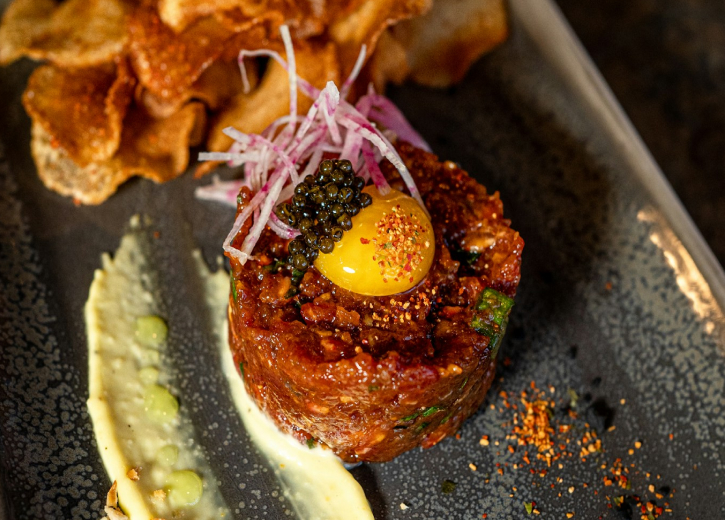
In professional kitchens, the approach is more refined but no less rooted in the same ingredients. Contemporary Nordic cuisine has elevated foraged foods to the centre of the plate, using cloudberries in desserts and sauces, fermenting wild herbs to build complex acidity, and incorporating dried mushroom powders as seasoning. Meadowsweet appears in syrups and ice creams. Birch sap is reduced into a delicate, sweet liquid used in dressings and cocktails.
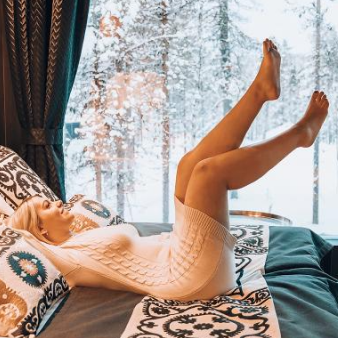
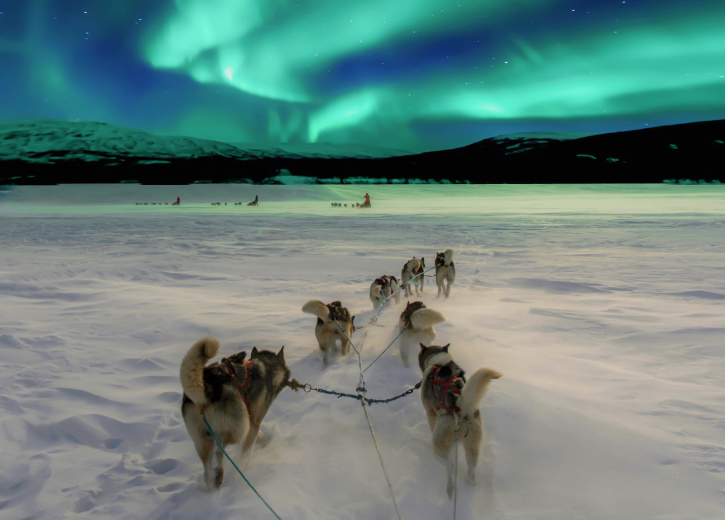
At our AQ Restaurant here at Aurora Queen Resort, the Nordic menu draws on this same philosophy, using locally sourced ingredients that reflect the wild landscape surrounding the resort. Guests staying with us in our unique Arctic igloo accommodation often find that tasting these flavours in a meal gives them a genuine connection to the Arctic environment they have come so far to experience. For those who want to go further, our Aurora hunting tours and guided excursions take you out into that landscape directly, where the same ingredients you might find on your plate are growing quietly in the forests and fells all around you. You can also check availability and book your stay to plan your Arctic foraging experience.
Whether you encounter foraged Arctic ingredients at the table or out in the wild, they tell a story about a place where nature and culture have always been inseparable. Finnish Lapland’s wild foods are not just delicious; they are a living expression of the land itself.