
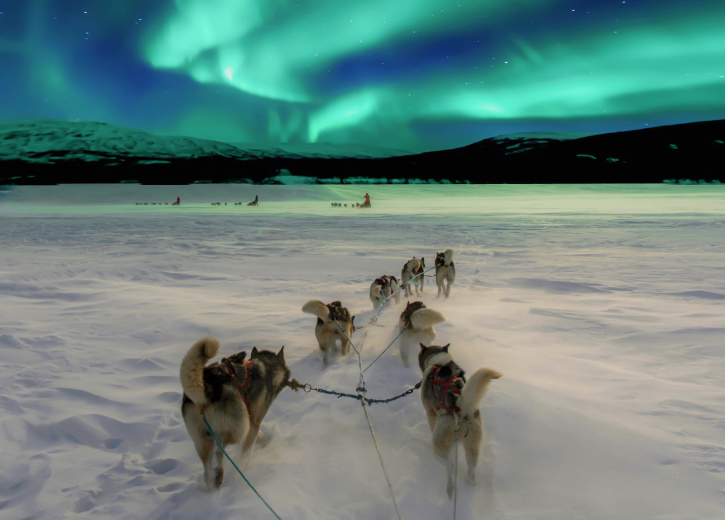
The best weather conditions for northern lights photography combine clear skies, minimal light pollution, and strong geomagnetic activity. You need below-freezing temperatures, dry air with low humidity, and complete darkness during peak aurora hours, typically between 10 p.m. and 2 a.m. Solar activity forecasts help predict when auroras will be most visible and vibrant.
Poor visibility is costing you once-in-a-lifetime aurora shots
Many photographers arrive in northern Finland only to face cloudy skies, light pollution, or weak aurora activity that ruins their planned shots. This means wasted travel expenses, missed opportunities for portfolio pieces, and the disappointment of returning home without capturing the northern lights you traveled thousands of miles to photograph. Check aurora forecasts and weather conditions at least three days before your trip, and build flexibility into your schedule so you can chase clear skies when conditions align.
Ignoring temperature effects is damaging your camera equipment
Extreme cold in Lapland can drain camera batteries in minutes, cause condensation when moving between temperatures, and make LCD screens sluggish or unresponsive during critical shooting moments. This leads to missed shots, expensive equipment repairs, and frustrating technical failures when the aurora is at its peak. Prepare with extra batteries kept warm against your body, gradual temperature transitions for your gear, and cold-weather camera accessories designed for sub-zero photography.
What weather conditions create the best northern lights visibility?
Clear skies with no cloud cover create optimal northern lights visibility. You need dry air with low humidity, minimal atmospheric haze, and geomagnetic activity levels of KP 3 or higher. Wind can help clear atmospheric particles but should not exceed 15 mph to avoid camera shake.
Temperature plays a supporting role in visibility. Cold air holds less moisture, reducing atmospheric interference that can dim aurora displays. The best visibility occurs when high-pressure systems bring stable, clear weather patterns to northern regions. These conditions typically last two to three days and provide consistent aurora-viewing opportunities.
Light pollution significantly impacts visibility, so seek locations at least 30 kilometers from major cities. Even small towns can create enough ambient light to wash out faint aurora displays. The darkest skies occur during new-moon phases, though a crescent moon can provide helpful foreground illumination without overwhelming the aurora.
How does temperature affect northern lights photography?
Cold temperatures between -10°C and -30°C can improve aurora photography by reducing atmospheric moisture and increasing air clarity. However, extreme cold drains camera batteries faster, can cause equipment malfunctions, and requires special preparation to protect both the photographer and the gear.
Battery performance drops dramatically in freezing conditions. Lithium-ion batteries can lose 50% to 80% of their capacity when temperatures fall below -20°C. Keep spare batteries warm in inside pockets and rotate them frequently during shooting sessions. Some photographers use external battery packs or heated camera grips for extended cold-weather sessions.
Condensation becomes a major concern when moving equipment between warm indoor spaces and frigid outdoor conditions. Allow cameras and lenses to gradually adjust to temperature changes by placing them in sealed bags before bringing them indoors. This prevents moisture from forming on sensitive electronic components and lens elements.
What’s the difference between cloudy and clear nights for aurora photography?
Clear nights allow direct aurora photography with sharp, vibrant colors and defined structures. Cloudy conditions block aurora visibility entirely or create diffused, muted displays that lack the contrast and detail needed for compelling photographs.
Partial cloud cover can occasionally enhance aurora photography by adding dramatic foreground elements or creating interesting compositional layers. Thin, high-altitude clouds may allow some aurora light to penetrate while adding texture to the sky. However, thick cloud layers completely obscure aurora displays regardless of geomagnetic activity levels.
Cloud movement affects shooting opportunities throughout the night. Fast-moving clouds may provide brief windows of clear sky, requiring photographers to be ready for quick shots when gaps appear. Weather radar can help predict when cloud breaks might occur, allowing photographers to position themselves for optimal shooting angles.
How do you check aurora forecasts and weather conditions?
Monitor KP index forecasts, cloud-cover predictions, and local weather reports through specialized aurora apps and meteorological services. Combine multiple forecast sources and check updates every few hours, as conditions can change rapidly in northern latitudes.
The KP index measures geomagnetic activity on a scale from 0 to 9, with higher numbers indicating stronger aurora potential. In northern Finland, KP levels of 3 or higher typically produce visible displays. The NOAA Space Weather Prediction Center provides reliable three-day KP forecasts, while apps like Aurora Alerts offer real-time notifications.
Local weather services provide essential cloud-cover and precipitation forecasts. Clear skies are crucial for aurora photography, so monitor hourly cloud predictions for your specific location. Many experienced aurora photographers use multiple weather apps and compare forecasts to identify the most promising viewing windows.
Professional aurora tour guides in Lapland constantly monitor these conditions and adjust their schedules accordingly. Aurora Queen Resort tracks the latest forecasts for northern lights visibility and makes informed predictions about the best viewing nights, helping guests maximize their chances of witnessing spectacular aurora displays.
What time of night offers the best northern lights photography conditions?
The optimal time for northern lights photography is between 10 p.m. and 2 a.m., when skies are darkest and geomagnetic activity typically peaks. Aurora displays can occur earlier or later, but this window provides the best combination of darkness, atmospheric conditions, and aurora intensity.
Complete darkness is essential for capturing faint aurora details and colors that are invisible to the naked eye during twilight. In northern Finland, true darkness begins around 6 p.m. during the winter months, but the strongest aurora activity usually occurs during the late evening and early morning hours.
Geomagnetic storms follow patterns related to solar-wind interactions with Earth’s magnetosphere. These interactions intensify during certain hours, often producing the most dramatic aurora displays between midnight and 2 a.m. However, aurora activity can be unpredictable, so photographers should be prepared for extended shooting sessions when conditions are favorable. Many resorts offer specialized northern lights photography activities that help guests make the most of these optimal viewing windows.