
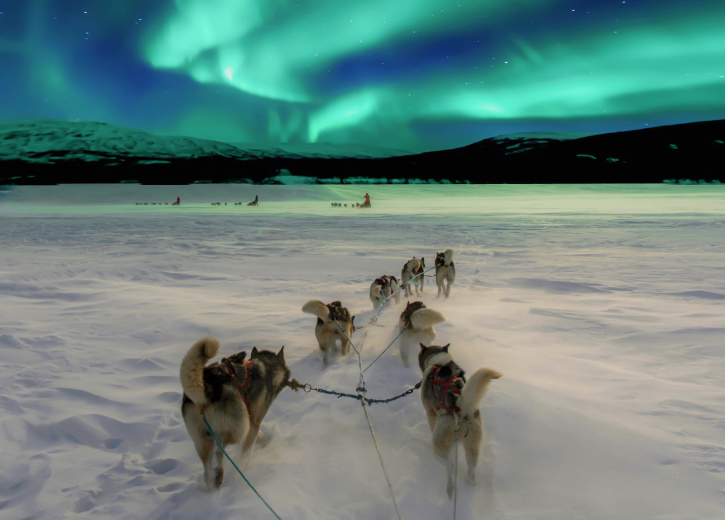
Proper husky safari clothing keeps you warm and comfortable during your dog sledding adventure in Lapland’s arctic conditions. The right outfit combines moisture-wicking base layers, insulating mid-layers, and windproof outer layers to protect you from temperatures that can drop well below freezing. Choosing appropriate attire ensures you can focus on enjoying the experience rather than battling the cold.
What is the layering system for husky safari clothing?
The layering system for husky safari clothing consists of three essential layers that work together to regulate your body temperature. The base layer sits against your skin to wick away moisture, the mid-layer provides insulation to trap warmth, and the outer layer protects you from wind and snow. This system allows you to adjust your comfort level by adding or removing layers as needed during your adventure.
Understanding how each layer functions helps you prepare properly for your dog sledding experience. The base layer should be made from synthetic materials or merino wool that pull sweat away from your skin, keeping you dry even when you’re physically active. Cotton is unsuitable as it retains moisture and loses its insulating properties when wet.
Your mid-layer serves as the primary insulation during your husky safari. Fleece jackets or down vests trap warm air close to your body whilst remaining breathable enough to prevent overheating. The thickness of this layer depends on the outside temperature and your personal tolerance to cold.
The outer layer acts as your shield against arctic conditions. This waterproof and windproof shell protects you from snow, wind chill, and moisture whilst allowing perspiration to escape. Quality outer layers feature sealed seams and adjustable cuffs to prevent cold air from entering.
Dog sledding involves periods of intense activity when you’re steering the sled, followed by moments of relative stillness. This temperature fluctuation makes proper layering crucial for maintaining comfort throughout your journey through northern Finland’s wilderness.
What type of footwear should you wear for dog sledding?
Insulated winter boots rated for temperatures between -20°C to -40°C are essential for dog sledding in Lapland. Your footwear should be waterproof, provide excellent insulation, and fit comfortably with thick thermal socks without restricting circulation. Proper boots protect your feet from frostbite whilst maintaining the balance and control needed when standing on the sled runners.
The right fit makes a significant difference during your husky safari. Boots that are too tight restrict blood flow, causing your feet to become cold quickly. Conversely, boots that are too loose create friction and blisters whilst reducing your stability on the sled. You should be able to wiggle your toes comfortably inside your boots.
Thermal socks complete your footwear system for arctic safari clothing. Wool or synthetic blend socks provide cushioning and insulation without adding excessive bulk. Avoid wearing multiple pairs of thin socks, as this approach often restricts circulation and makes your feet colder.
Waterproof properties protect you from snow that accumulates around your feet during the safari. Even in dry powder snow conditions, moisture can penetrate non-waterproof boots through the constant contact with snow and ice. This moisture quickly conducts heat away from your feet, creating discomfort.
Your boots also affect your safety and performance during the experience. Standing on sled runners requires good ankle support and a sole with adequate grip. Flexible boots allow you to feel the sled beneath your feet, helping you maintain better control as you guide your dog team through the Lappish landscape.
How do you protect your hands and face during a husky safari?
Protecting your hands and face requires insulated gloves or mittens, along with a balaclava or face mask covering exposed skin. Mittens generally keep hands warmer than gloves by allowing fingers to share heat, though gloves offer better dexterity for handling the sled. Face protection prevents frostbite from wind chill created by the movement of the sled through cold air.
Your hands face particular challenges during dog sledding. You need enough warmth to prevent numbness, yet sufficient dexterity to grip the sled handlebar and maintain control. Many experienced mushers prefer insulated mittens with removable liners, providing maximum warmth with the option to expose fingers briefly when necessary.
Wind chill dramatically increases frostbite risk during your husky safari. When the sled moves at speed, the apparent temperature drops significantly below the actual air temperature. Exposed facial skin can develop frostbite within minutes under these conditions, making proper face coverage essential rather than optional.
A balaclava or neck warmer that pulls up over your nose and cheeks offers the most versatile protection. These accessories can be adjusted based on activity level and temperature, allowing you to increase coverage during fast sections and reduce it during breaks. They also prevent the gap between your jacket collar and hat where cold air typically enters.
Your nose, cheeks, and ears are particularly vulnerable to cold injury. These areas have less blood flow than other parts of your body and freeze more quickly. Keeping these extremities covered throughout your adventure ensures you can enjoy the full experience without discomfort or risk.
Should you wear your own clothes or rent thermal gear for husky sledding?
Renting professional-grade thermal gear from safari operators offers superior protection compared to regular winter clothing for most visitors. Tour providers in Lapland, such as Aurora Queen Resort, supply thermal suits specifically designed for extreme cold, including insulated jackets, snow trousers, boots, and gloves. This specialized equipment performs better in arctic conditions than typical winter wear, though experienced winter travellers with quality gear may find their own clothing sufficient.
Professional thermal suits provided by tour operators are designed for extended exposure to severe cold. These garments feature superior insulation, windproofing, and moisture management compared to standard winter jackets. They’re also sized to accommodate layering underneath, ensuring proper fit regardless of what you wear beneath.
The cost consideration often favours renting equipment, particularly for visitors who don’t regularly experience extreme cold. Quality arctic-rated clothing represents a significant investment that may not be justified for a single trip. Many husky safari experiences include thermal clothing rental in their package, making this the most economical choice.
Your personal winter clothing may be adequate if you own gear rated for temperatures below -20°C and have experience in similar conditions. Quality ski wear or mountaineering equipment often meets the requirements for dog sledding in northern Finland. However, fashion-oriented winter coats typically lack the necessary insulation and weather protection.
Rental gear eliminates the worry of packing bulky winter clothing in your luggage. Thermal suits, boots, and accessories take up considerable space and add weight to your bags. Using provided equipment means you can travel lighter whilst still having access to appropriate attire for your husky safari adventure.
The decision ultimately depends on your existing wardrobe and travel plans. If you’re visiting Lapland specifically for winter activities in Lapland and don’t own suitable gear, rental equipment offers the best combination of performance, convenience, and value. Your comfort during the experience matters more than whether you’re wearing your own clothes or borrowed gear.
Proper preparation with the right husky sledding outfit ensures you’ll remember your dog sledding experience for the joy of mushing through pristine wilderness rather than struggling with the cold. Whether you choose to rent thermal gear or bring your own Lapland winter clothing, understanding what to wear on husky safari helps you make informed decisions that enhance your arctic adventure.