
Packing for Lapland in winter requires careful preparation for extreme temperatures ranging from -10°C to -30°C. Essential items include a proper three-layer clothing system (moisture-wicking base layer, insulating mid-layer, and weatherproof outer layer), thermal accessories (hat, gloves, neck gaiter), and specialized footwear rated for arctic conditions. For northern lights viewing, additional thermal protection becomes vital as you’ll often remain stationary outdoors for extended periods. Beyond clothing, you’ll need cold-weather skincare, battery protection for electronics, and practical items like hand warmers.
What temperatures should you expect in Lapland during winter?
Winter temperatures in Finnish Lapland typically range from -10°C to -30°C between December and March, with occasional drops to -40°C during cold snaps. January and February are generally the coldest months, with daytime averages hovering around -15°C. However, the perceived temperature often feels significantly lower due to wind chill factors that can make -15°C feel like -25°C or colder.
The temperature variation between day and night is also worth noting. During the polar night period (kaamos) in December and early January, when the sun doesn’t rise above the horizon, temperatures remain consistently cold throughout the 24-hour cycle. As daylight gradually returns in February and March, you might experience slightly warmer daytime conditions, potentially reaching -5°C on sunny days, before plummeting again after sunset.
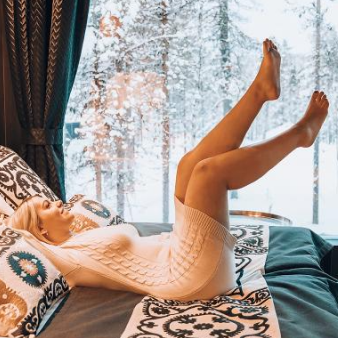
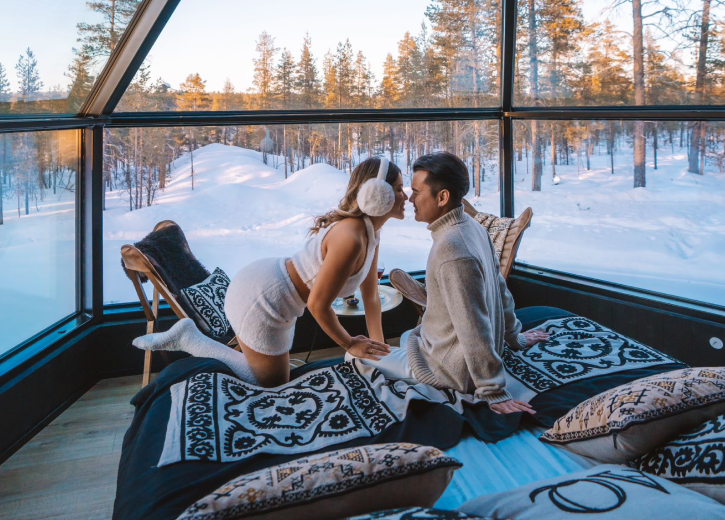
When planning outdoor activities, it’s essential to check the daily forecast and wind conditions. A calm -20°C day can feel more comfortable than a windy -10°C day. The good news is that indoor spaces in Lapland, including our glass igloos, are extremely well-heated and cosy, providing a warm sanctuary after your outdoor adventures.
What essential clothing layers do you need for Lapland winters?
For Lapland winters, you need a three-layer clothing system: a moisture-wicking base layer, an insulating mid-layer, and a weatherproof outer layer. This combination effectively traps heat while allowing perspiration to escape, preventing the dangerous cooling effect of sweat-dampened clothing in sub-zero temperatures.
Your base layer should be made of merino wool or synthetic materials (avoid cotton at all costs). These fabrics pull moisture away from your skin while retaining heat. Long thermal underwear, including tops and leggings, forms the foundation of your winter protection. For extended outdoor activities, pack at least two sets so you can always have a dry change available.
The mid-layer provides crucial insulation by trapping warm air close to your body. Fleece, wool, or down materials work excellently. Consider packing:
- A thick fleece or wool jumper
- Insulated trousers or thick hiking trousers
- A packable down or synthetic insulated jacket (useful as an extra layer during extremely cold days)
Your outer layer must be both windproof and waterproof while remaining breathable. A quality winter jacket with a high collar and adjustable hood provides essential protection for your core and head. Waterproof, insulated trousers complete this protective shell. When selecting outer layers, look for features like sealed seams, storm flaps over zippers, and adjustable cuffs to prevent heat escape and snow entry.
Remember that it’s better to have multiple thinner layers than one or two thick ones, as this allows you to adjust your insulation level based on activity and conditions.
How should you dress for northern lights viewing in Lapland?
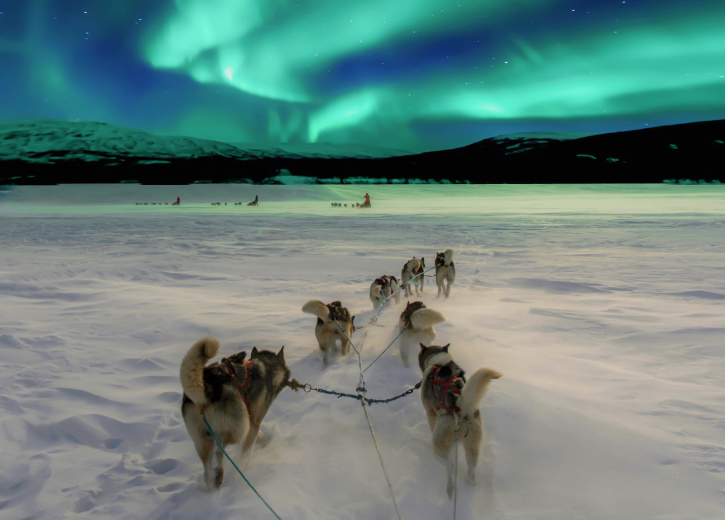
Northern lights viewing requires additional thermal preparation as you’ll often remain stationary outdoors for extended periods. Layer up more heavily than for active daytime pursuits, as your body generates less heat when standing still. Temperature can drop significantly at night, often reaching -25°C to -35°C, making proper insulation absolutely crucial for a comfortable aurora viewing experience.
Start with your standard three-layer system, but consider these specialised additions:
- Extra mid-layer insulation (an additional fleece or down jacket)
- Insulated snow trousers rather than regular waterproof trousers
- A windproof, insulated parka with deep pockets for hand warmers
- Thermal glove liners beneath insulated mittens (mittens keep fingers warmer than gloves)
- Merino wool balaclava or face mask to protect your face and lungs from extreme cold
Footwear deserves special attention for northern lights viewing. Ordinary winter boots may not provide sufficient insulation when standing in snow for an hour or more. Invest in expedition-quality boots rated for temperatures below -30°C with removable liners that can be dried between uses. Wear two pairs of socks – a thin moisture-wicking liner sock followed by a thick thermal wool sock.
Many visitors underestimate how cold they’ll feel when standing still watching the aurora. Having chemical heat packs for hands, feet, and body can transform a painfully cold experience into a magical one. These can be placed in pockets, gloves, and boots to provide hours of supplemental warmth.
While enjoying the dancing lights, remember to occasionally move your limbs and wiggle your toes to maintain circulation – proper clothing is essential, but movement helps too!
What specialized winter accessories are must-haves for Lapland?
Essential winter accessories for Lapland include thermal headwear, specialized hand protection, proper footwear, and supplemental warming items. These accessories are not merely complementary – they’re crucial components of your cold-weather protection system that prevent frostbite and ensure comfort in extreme conditions.
Head protection is vital as up to 30% of body heat escapes through an uncovered head:
- Insulated hat that covers ears completely
- Merino wool balaclava or neck gaiter that can be pulled up over nose and cheeks
- Thermal headband for active pursuits when a full hat might be too warm
Hand protection requires a layered approach:
- Thin liner gloves (touch-screen compatible ones allow phone use without exposing skin)
- Insulated mittens (warmer than fingered gloves)
- Waterproof outer mittens for snow activities
- Hand warmers (both single-use chemical and rechargeable electronic types)
Foot essentials beyond your insulated boots:
- Moisture-wicking liner socks paired with thick wool socks
- Thermal insoles (reflective types provide excellent added warmth)
- Ice grips that stretch over your boots for walking on slippery surfaces
- Gaiters to prevent snow entering boot tops during deep snow activities
Other specialized accessories worth packing:
- Headlamp with extra batteries (essential during the dark polar nights)
- Insulated water bottle to prevent drinks freezing during outdoor activities
- Thermal seat pad for sitting on snow during breaks or aurora viewing
- Rechargeable body warmers that can provide hours of supplemental heat
We often see visitors surprised by how quickly exposed skin can become painfully cold or even frostbitten in Lapland’s winter conditions. These accessories may seem excessive if you’re used to milder winters, but they make the difference between merely enduring the arctic environment and thoroughly enjoying your Lapland experience.
What non-clothing items should you pack for a Lapland winter trip?
Essential non-clothing items for Lapland winters include electronics protection, specialized skincare products, and practical tools that enhance safety and enjoyment. The extreme cold creates unique challenges for everyday items, requiring specific preparations beyond your regular travel packing list.
Electronics considerations are crucial as batteries drain exceptionally quickly in sub-zero temperatures:
- Multiple camera batteries (keep spares in inside pockets close to body heat)
- Insulated camera bag with moisture-absorbing silica packets
- Power bank for phone recharging (also keep close to body when outdoors)
- Waterproof phone case or pouch
Skincare essentials help prevent painful cold-weather conditions:
- High-fat content moisturizer (apply at least 30 minutes before going outdoors)
- Petroleum jelly for lips and exposed facial areas
- Sunscreen (yes, even in winter – snow reflection intensifies UV exposure)
- Eye drops for dry eyes (heated indoor air combined with outdoor cold causes dryness)
Practical items that enhance your winter experience:
- Thermos flask for carrying hot beverages during outdoor excursions
- Hand and foot warmers (both disposable and rechargeable types)
- Microfiber cloth for camera lenses and eyeglasses (prevents condensation issues when moving between temperature extremes)
- Prescription medications plus common cold remedies (pharmacies may be distant from wilderness accommodations)
Photography enthusiasts should note that capturing the northern lights requires specific equipment including a tripod, remote shutter release, and camera settings knowledge. Your smartphone alone won’t capture the aurora’s beauty – though enjoying the moment firsthand is always more magical than viewing it through a lens.
Remember that specialist winter gear can be bulky to pack. While we provide cosy heated spaces to enjoy the northern landscape, having these personal items ensures you’re prepared for every aspect of your Lapland adventure, from magical aurora nights to daytime explorations in the snow-covered wilderness.
With careful preparation and the right equipment, your winter journey to Lapland will be remembered not for being cold, but for the breathtaking beauty of snow-laden forests, the silent wilderness, and perhaps the dancing green lights of the aurora painting the night sky above the glass ceiling of your igloo.
Experience the Magic of Lapland – Book Your Aurora Adventure Now
Ready to witness the breathtaking northern lights from the comfort of a glass igloo? Properly equipped with the knowledge from this packing guide, you’re now prepared to experience the winter wonder of Lapland firsthand. Our Aurora Queen Resort offers the perfect blend of arctic adventure and cozy luxury.
Don’t miss the opportunity to create memories that will last a lifetime. From snow-covered landscapes to the dancing aurora borealis overhead, your Lapland journey awaits.
Book your Lapland holiday today and secure your front-row seat to nature’s most spectacular light show. Spaces fill quickly during prime aurora season, so we recommend booking in advance to avoid disappointment.