
Packing for a winter trip to Lapland requires careful consideration of extreme cold weather conditions, where temperatures commonly drop to -20°C and can plunge to -40°C. Essential items include a complete three-layer clothing system, specialized extremity protection, quality thermal underwear, insulated snow boots, and cold-weather accessories like hand warmers and a thermos. Electronics need extra protection from the cold, and activity-specific gear should be included based on your planned excursions. The right packing strategy ensures you’ll stay comfortable while experiencing the magical northern wilderness.
What are the essential clothing layers for extreme Lapland temperatures?
The key to surviving Lapland’s extreme winter temperatures is implementing a proper three-layer clothing system: a moisture-wicking base layer, insulating mid layer, and protective outer layer. This layering strategy traps warm air between garments while allowing perspiration to escape, preventing the dangerous combination of moisture and cold that can lead to hypothermia.
For your base layer, choose merino wool or synthetic thermal underwear that sits against your skin. Merino wool provides exceptional warmth even when damp and naturally resists odours, making it ideal for extended wear during winter adventures. Synthetic options like polypropylene or polyester blends dry quickly and efficiently wick moisture away from the body. Avoid cotton completely as it retains moisture and loses insulating properties when wet.
The mid layer provides crucial insulation by trapping body heat. Fleece jackets, wool jumpers, or down/synthetic insulated garments excel in this role. Look for materials rated for temperatures below -20°C. Multiple thinner mid layers often work better than a single thick one, as they create additional air pockets for insulation and allow for adjustment based on activity level and conditions.
Your outer layer must be windproof, waterproof, and breathable to shield against harsh elements while allowing moisture to escape. A quality winter parka with sealed seams, storm flaps over zippers, and a hood is essential for upper body protection. Pair this with insulated, waterproof snow trousers. Look for outer layers with temperature ratings of at least -30°C to ensure adequate protection in Lapland’s challenging environment.
How should you protect your extremities in arctic conditions?
Protecting your extremities in arctic conditions requires specialized gear as fingers, toes, ears, and nose are most vulnerable to frostbite. The proper combination of insulation, wind protection, and moisture management is essential for preventing cold-related injuries while maintaining comfort during outdoor activities.
For hand protection, implement a two-layer system. Start with thin liner gloves (ideally merino wool or silk) that allow dexterity for handling cameras or phones. Over these, wear insulated, waterproof mittens—mittens keep fingers together, generating more warmth than separated finger gloves. For extended outdoor sessions, consider hand warmers placed inside mittens. Always carry a spare pair of mittens, as wet gloves quickly become ineffective in subzero temperatures.
Proper foot protection begins with moisture-wicking liner socks paired with thick wool or synthetic thermal socks. Never double up on thick socks, as this can restrict circulation and actually reduce warmth. Invest in purpose-designed arctic boots with thick insulation, rated to at least -30°C, featuring removable liners for drying overnight. Look for boots with thick rubber soles that provide insulation from the cold ground and sufficient grip for icy surfaces.
Face and head protection is crucial as up to 30% of body heat escapes through an uncovered head. A windproof, insulated hat that covers the ears is essential. For face protection, a merino wool or fleece neck gaiter is versatile and can be pulled up to cover the nose and cheeks when needed. In extremely cold conditions, consider a balaclava or face mask with breathing holes that prevent moisture buildup from freezing on your face. Apply a thick, glycerin-based moisturiser to protect facial skin from windburn and cracking.
What specialized gear do you need for northern lights viewing?
Northern lights viewing in Lapland requires specialized gear that balances warmth during stationary observation with equipment for capturing the aurora. Since aurora watching involves standing still for extended periods in extreme cold, your warming strategy must be more robust than for active pursuits.
Insulated seating is essential for comfortable aurora viewing. Portable insulated sitting mats with waterproof backing prevent cold transfer from snow or ice. Some viewers prefer foldable camping chairs with insulation, but ensure they’re rated for winter conditions. For truly comfortable viewing, consider bringing an insulated sleeping bag to wrap around yourself while seated—this provides exceptional warmth during long waiting periods.
Supplemental warming devices help maintain comfort during extended viewing sessions. Rechargeable hand and foot warmers provide hours of reliable heat and can be positioned in pockets, gloves, and boots. A vacuum flask filled with hot chocolate, tea, or soup offers internal warming that’s particularly effective. Avoid alcohol, however, as it expands blood vessels and ultimately accelerates heat loss.
For aurora photography equipment, protect your camera from condensation by storing it in sealed bags when moving between temperature extremes. Bring extra batteries and keep them in inside pockets close to body heat, as cold temperatures dramatically reduce battery life. A sturdy tripod is non-negotiable for clear aurora shots, but select one with foam-wrapped legs to prevent frozen hands when adjusting. Consider bringing a headlamp with a red light setting that preserves night vision while allowing you to adjust equipment.
For successful aurora hunting, navigation tools are important. Download offline maps and aurora forecast apps before your trip, as mobile service can be unreliable. A compass and basic understanding of cardinal directions help locate optimal viewing positions, while a headlamp with both standard and red-light settings provides necessary illumination without compromising night vision.
Which electronic devices and accessories are essential for Lapland?
Electronic devices in Lapland’s winter require special consideration as extreme cold affects battery performance, screens, and general functionality. The right protective measures and backup solutions ensure your devices remain operational throughout your arctic adventure.
Smartphones and cameras need protection from both cold and moisture. Keep them in insulated cases when not in use, and store close to your body for warmth. For smartphones, consider a power bank with at least 10,000mAh capacity, as battery drain accelerates dramatically in cold conditions. For cameras, bring at least three spare batteries and keep them in an inside pocket. When moving between cold exteriors and warm interiors, place electronics in sealed plastic bags before entering warm environments to prevent condensation damage.
Cold-weather charging solutions are essential as standard equipment often fails in extreme temperatures. Select power banks specifically rated for cold-weather operation. Solar chargers are generally ineffective during Lapland’s dark winter months, so rely instead on traditional charging methods. Always charge devices overnight in your accommodation, as cold-weather charging is less efficient and more stressful for batteries.
Consider temperature-resistant alternatives for essential functions. A traditional compass doesn’t fail in cold, unlike digital versions. Carry a small notebook and pencil (not pen, as ink freezes) for important information. If photography is important, mechanical film cameras are surprisingly reliable in extreme cold when digital equipment struggles, though film must be kept warm before loading.
For successful aurora photography, pack fast lenses (f/2.8 or wider) that perform well in low light. A remote shutter release prevents camera shake during long exposures, while lens warmers prevent fogging during night sessions. Memory cards with high write speeds accommodate burst shooting in rapidly changing aurora conditions.
What should you pack for winter activities and excursions in Lapland?
Winter activities in Lapland require specific gear beyond basic cold-weather clothing to ensure both safety and enjoyment. Each activity presents unique challenges and demands specialized equipment to participate comfortably in temperatures that can reach -30°C or lower.
For snowmobiling excursions, thermal balaclavas worn under helmets prevent painful freezing of facial skin at high speeds. Full-body, one-piece snowmobile suits provided by tour operators offer excellent protection, but wear your own complete layering system underneath. Bring thin liner gloves to wear inside the provided mittens for additional warmth. Snow goggles with double lenses prevent fogging and protect eyes from wind, snow, and harmful UV rays amplified by snow reflection.
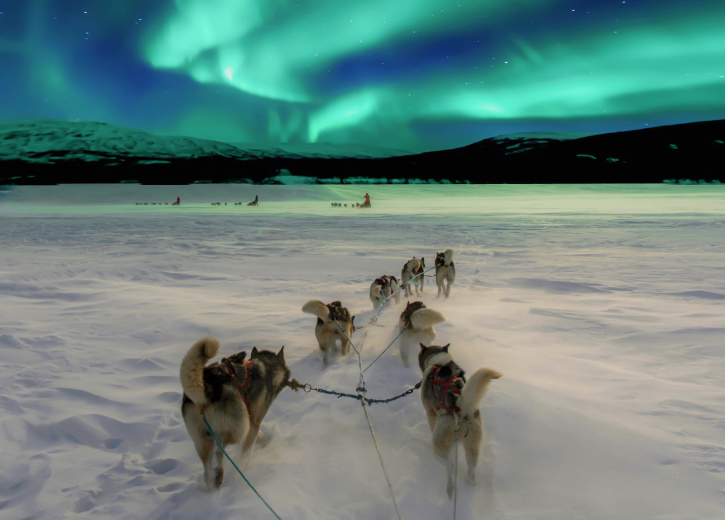
Husky sledding generates less personal warmth than snowmobiling as you’re not controlling a motor, so additional insulation is crucial. Chemically activated hand and foot warmers placed in gloves and boots provide up to 8 hours of supplemental heat. Since sledding creates significant wind chill, a windproof face mask with breathing vents prevents painful facial freezing while reducing moisture buildup that can cause frostbite.
For cross-country skiing or snowshoeing, focus on moisture management as these activities generate significant body heat and perspiration. Zippered ventilation points in mid and outer layers allow heat regulation without removing garments. Lightweight packable layers permit adjustments as your body temperature fluctuates. Bring a small backpack to carry shed layers, water, and high-energy snacks—physical exertion in cold weather dramatically increases caloric requirements.
Ice fishing involves stationary periods in extreme cold, requiring maximum insulation. Disposable toe warmers placed under thermal socks maintain foot comfort, while insulated waterproof mittens with removable liners protect hands when handling wet fishing gear. A folding foam seat pad provides crucial insulation from the ice, preventing significant body heat loss through conduction.
For all winter activities, maintain proper hydration and nutrition with a small thermos of hot liquid and easily consumed, high-calorie snacks that won’t freeze solid. Energy bars kept in inside pockets remain edible, while chocolate and many other snacks become painfully hard in subzero temperatures. Proper fueling maintains the body’s ability to generate heat during Lapland adventures.
Packing properly for Lapland’s winter ensures you’ll stay safe and comfortable while experiencing the magic of northern Finland. With the right clothing layers, extremity protection, and activity-specific gear, you’ll be prepared to enjoy everything from the breathtaking northern lights to exhilarating winter sports in this extraordinary winter wonderland. Remember that in Lapland’s pristine wilderness, proper preparation isn’t just about comfort—it’s essential for safety in one of Europe’s last truly wild environments.
Ready to Experience the Magic of Lapland?
Now that you know exactly what to pack for your arctic adventure, it’s time to turn your Lapland dreams into reality. The Aurora Queen Resort offers the perfect base for experiencing everything this winter wonderland has to offer—from spectacular northern lights viewing to exhilarating snow activities, all while providing the cozy warmth you’ll appreciate after a day in the arctic elements.
Our expert guides ensure you’ll experience Lapland’s magic safely and comfortably, with all the specialized equipment you need for your adventures. Plus, our aurora alert service maximizes your chances of witnessing the spectacular northern lights display.
Don’t miss this opportunity to create unforgettable memories in one of the world’s most extraordinary winter destinations. Book your Lapland holiday at Aurora Queen Resort today and prepare for the adventure of a lifetime!