
For a Lapland Christmas trip, you should pack thermal base layers, insulating mid-layers, a windproof and waterproof outer shell, and specialist winter accessories including a balaclava, insulated gloves, and wool socks. Finnish Lapland in December regularly sees temperatures between -15°C and -30°C, so layering is not optional — it is the foundation of staying warm and comfortable outdoors. This guide walks through everything from clothing and footwear to what you can leave at home.
What clothes do you need for a Lapland Christmas trip?
For a Lapland Christmas trip, you need a complete three-layer clothing system: a moisture-wicking thermal base layer, a warm insulating mid-layer such as a fleece or down jacket, and a windproof, waterproof outer shell. This layering approach allows you to regulate your body temperature as you move between heated indoor spaces and the sub-zero Arctic outdoors.
The base layer is your most important investment. Merino wool or high-quality synthetic thermal tops and leggings sit directly against your skin and manage moisture effectively, keeping you dry even during physical activity. Avoid cotton at all costs — it absorbs sweat and loses its insulating properties when damp, which in Arctic conditions can become a serious problem.
Your mid-layer provides warmth. A heavyweight fleece jacket, a down-filled gilet, or a synthetic insulated jacket all work well. Many experienced cold-weather travellers bring both a thinner fleece and a thicker insulated layer so they can adapt to varying conditions throughout the day.
The outer shell needs to block wind and repel moisture. A high-quality ski jacket and salopettes or ski trousers are ideal. Look for taped seams and a high waterproof rating if you plan to spend extended time outdoors. Many resorts in Finnish Lapland, including us at Aurora Queen Resort, provide snowsuits and outer gear for outdoor winter activities in Lapland, so check what is included before packing to avoid overpacking.
How do you dress for outdoor activities in Finnish Lapland?
For outdoor activities in Finnish Lapland, you should dress in your full three-layer system and make activity-specific adjustments depending on how physically demanding the experience is. Highly active pursuits like cross-country skiing generate significant body heat, while seated activities such as reindeer sleigh rides or Aurora hunting require maximum insulation since your body produces very little warmth when stationary.
For high-activity excursions, consider wearing a lighter base layer and keeping your thicker insulating layer accessible but removable. Overheating during exercise leads to sweating, which then causes rapid chilling once you stop moving. The ability to vent or remove a layer mid-activity is genuinely useful.
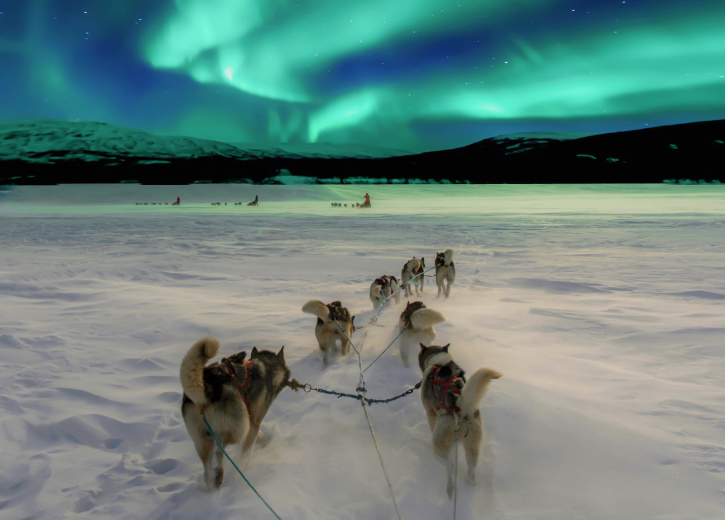
For slower or stationary activities, layer up fully before you head out. A husky safari, for example, involves bursts of activity when setting up but long stretches of sitting on the sled in the open air. Reindeer sleigh rides and Aurora hunting tours are similarly passive, meaning the cold will penetrate more effectively. On these occasions, an extra insulating layer or a thick down jacket worn over your mid-layer is strongly recommended.
If you are joining guided excursions, your guide will often advise on appropriate dress before departure. Trust that advice — local knowledge about dressing for specific conditions in Finnish Lapland is invaluable.
What accessories are essential for a Lapland winter trip?
The essential accessories for a Lapland winter trip are a warm hat or balaclava, insulated waterproof gloves or mittens, a neck gaiter or scarf, and thermal socks. In temperatures that can drop well below -20°C, exposed skin loses heat rapidly, and extremities like fingers, ears, and the nose are the first areas affected by the cold.
A balaclava is particularly valuable because it covers the face, neck, and ears in one piece, leaving only the eyes exposed. On extremely cold or windy nights, this is far more effective than a hat and scarf worn separately. Many travellers bring both a standard warm hat and a balaclava, using the latter when conditions are most severe.
For hands, mittens retain heat better than gloves because fingers warm each other. However, mittens can be awkward for tasks requiring dexterity, such as adjusting camera settings. A practical solution is to pack a pair of thin liner gloves worn under mittens — you can remove the mitten briefly when needed without fully exposing your hands to the cold.
A few additional accessories worth including in your Lapland packing list are:
- Thermal or wool socks (bring several pairs — feet sweat even in the cold)
- Hand warmers and toe warmers for extended outdoor time
- Sunglasses or ski goggles to protect against glare from snow
- A headlamp or torch, since daylight in Finnish Lapland at Christmas is extremely limited
- Lip balm and a rich moisturiser, as the dry Arctic air is hard on skin
What should you pack for igloo accommodation in Lapland?
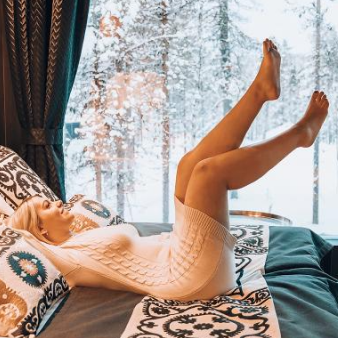
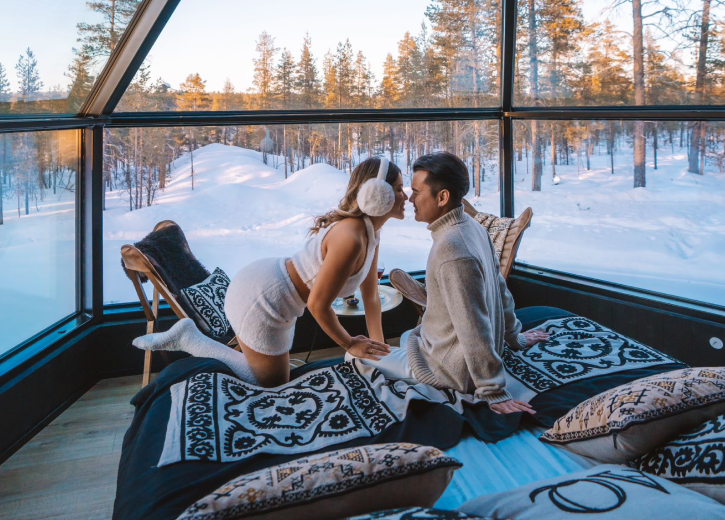
For igloo accommodation in Lapland, you should pack comfortable indoor clothing, a good book or entertainment for evenings, and any personal toiletries you prefer. Glass igloo resorts are warm and well-appointed indoors, so you will not need heavy clothing inside — the focus shifts entirely to comfort and relaxation once you are back from outdoor activities.
Glass igloos like the ones we offer at Aurora Queen Resort are heated to a comfortable temperature, meaning your indoor wardrobe can be light and casual. Soft loungewear, warm socks or slippers, and comfortable sleepwear are all you need for evenings spent watching the Northern Lights from the warmth of your bed.
A few practical items specifically useful for igloo stays include:
- An eye mask if you are sensitive to light, since the glass ceiling lets in natural light in the early morning
- A camera or smartphone with a cold-weather compatible battery pack — batteries drain faster in the cold, and you will want to capture the Aurora
- A small dry bag or waterproof pouch to protect electronics and documents when moving between outdoors and indoors
- Earplugs if you are a light sleeper, as the silence of the Arctic wilderness is profound but natural sounds can occasionally be surprising
Because igloo resorts are boutique by nature, they typically provide high-quality towels, bedding, and bathroom essentials. Check with your resort in advance about what is supplied so you can pack efficiently and avoid unnecessary bulk.
How should you pack footwear for a Lapland Christmas holiday?
For a Lapland Christmas holiday, you should pack insulated, waterproof winter boots rated to at least -30°C, along with a pair of comfortable indoor shoes or slippers. Footwear is one of the most critical elements of your Lapland packing list — cold, wet feet can ruin an otherwise magical day outdoors, and no amount of layering elsewhere can compensate for poor boots.
Look for boots with a thick, grippy sole designed for icy terrain. Smooth-soled boots are genuinely dangerous on compacted snow and ice. Brands that specialise in Nordic or Arctic conditions understand the specific demands of this environment, and investing in proper winter boots before your trip is worthwhile. Many travellers are caught out by fashionable but inadequate winter boots that are fine for city slush but wholly unsuited to Finnish Lapland conditions.
Boot liners and thick thermal socks add an extra layer of insulation and are well worth including. If you plan to be outdoors for extended periods, particularly during stationary activities, consider adding disposable toe warmers inside your boots for additional protection.
For indoors, a pair of lightweight slippers or soft-soled shoes makes moving around your igloo or resort comfortable without needing to put on full winter gear. This small addition to your luggage makes a noticeable difference to your daily comfort.
Are there things you should NOT pack for a Lapland trip?
Yes — there are several things you should leave at home when packing for a Lapland Christmas trip. Overpacking is a common mistake, and some items that seem logical actually add unnecessary weight or are unsuitable for Arctic conditions. Knowing what to leave behind is just as useful as knowing what to bring.
Items to avoid packing for Finnish Lapland include:
- Cotton clothing: As mentioned, cotton loses its insulating properties when damp and is genuinely unsuitable as a base layer in sub-zero temperatures.
- Excessive formal wear: Lapland is a relaxed, nature-focused destination. Smart-casual clothing is perfectly appropriate for resort restaurants and lounges — there is no need for formal evening wear.
- Fragile electronics without protection: Extreme cold causes screens to slow down and batteries to drain rapidly. If you bring cameras or tablets, pack them in insulated cases and carry spare batteries kept warm in an inner pocket.
- Heavy perfumes or strongly scented products: This is a minor but genuine consideration — strong scents can disrupt the sensory experience of the pristine wilderness, and some resorts actively encourage guests to be mindful of their environmental footprint.
- Too many pairs of jeans: Denim is heavy, takes a long time to dry, and provides almost no insulation. One pair for casual indoor use is fine, but they should never be worn outdoors in Arctic conditions.
- Unnecessary valuables: A remote Arctic resort is not the setting for expensive jewellery or items you would be distressed to lose or damage in the snow.
A good rule of thumb when finalising your Lapland packing list is to ask yourself whether each item serves a specific purpose in an Arctic winter environment. If the answer is no, it is probably better left at home. Travelling light gives you more flexibility and makes navigating airports, transfers, and snowy resort paths considerably easier.