A truly luxurious Arctic travel experience in 2026 goes far beyond warm clothing and a remote destination. It combines thoughtfully designed accommodation, exceptional food, meaningful activities, and a genuine connection to the natural environment — all delivered without compromising comfort. The questions below unpack exactly what that looks like in practice, from igloo design to sustainable travel principles.
What actually separates luxury Arctic travel from a standard cold-weather trip?
Luxury Arctic travel is defined by the quality of immersion it offers. A standard cold-weather trip puts you near nature; a luxury Arctic experience puts you inside it, without sacrificing comfort, privacy, or personal service. The distinction lies in how seamlessly the environment is woven into every element of the stay, rather than treated as a backdrop.
In practical terms, this means accommodation designed to frame the wilderness rather than block it out. It means food that reflects the landscape through locally sourced ingredients. It means activities curated for depth and authenticity, not just novelty. And it means a level of attentiveness from staff that makes the experience feel personal rather than packaged.
What has shifted notably in 2026 is the expectation that luxury and environmental responsibility travel together. Travellers seeking a high-end Arctic holiday are increasingly asking how a resort operates, not just what it offers. The most compelling luxury Lapland holidays now answer both questions convincingly.
What role does accommodation design play in an Arctic luxury experience?
Accommodation design is arguably the single most important element of a luxury Arctic experience. In the Arctic, where the natural environment is the primary draw, the quality of a stay is measured by how well the design connects guests to that environment while keeping them warm, comfortable, and at ease. Poor design forces a choice between the two; exceptional design eliminates it entirely.
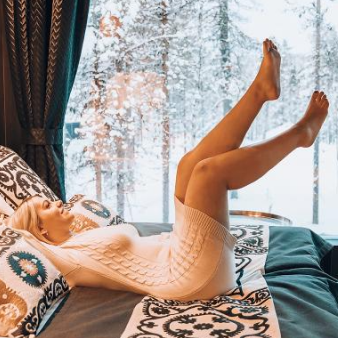
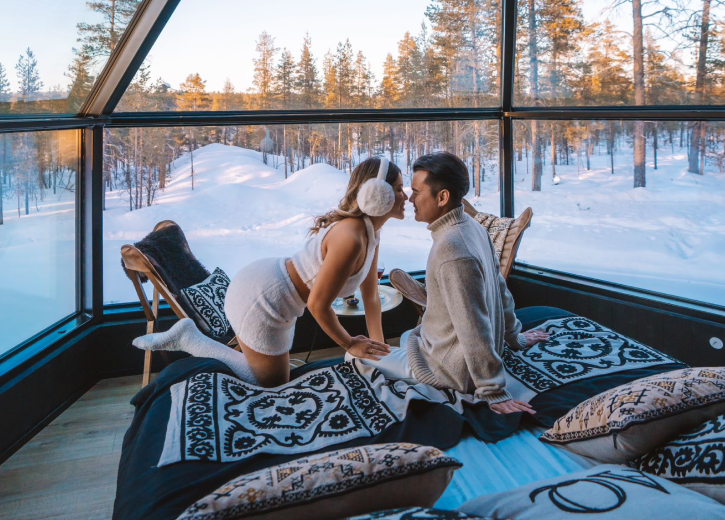
Glass igloos represent the clearest expression of this principle. With glass ceilings and panorama windows, they allow guests to observe the northern lights, the star-filled sky, and the surrounding snowscape directly from bed, without stepping outside into sub-zero temperatures. This is not a gimmick; it is a considered architectural response to the Arctic setting.
Materials and craftsmanship
The interior materials of a glass igloo matter as much as the exterior design. Solid wood brings natural warmth and acoustic softness to a space that could otherwise feel cold and clinical. Premium-quality furnishings, heated floors, and carefully chosen textiles transform a structurally interesting space into one that genuinely invites rest and relaxation. Scandinavian design principles, with their emphasis on simplicity, functionality, and natural materials, are particularly well suited to this environment.
Privacy and intimacy
Luxury Arctic accommodation is typically characterised by a small number of units spread across a generous plot of land. This spatial generosity ensures that guests experience genuine solitude, which is itself one of the defining qualities of a premium stay in Finnish Lapland. Boutique resorts with a limited number of igloos can offer a level of attentiveness and quiet that larger properties simply cannot replicate.
How does location affect the quality of a luxury Arctic stay?
Location is foundational to the quality of a luxury Arctic stay, and its impact is far greater than most travellers initially appreciate. In the context of northern lights viewing, even a few kilometres can make the difference between a clear, unobstructed sky and one affected by light pollution from a nearby town or road. The best glass igloo resorts in Lapland are positioned with this in mind.
Saariselkä, situated in northern Finnish Lapland, offers some of the most reliable conditions for Aurora viewing in Europe. Its distance from major urban centres keeps light pollution minimal, and its latitude places it well within the Aurora zone. A resort positioned here with a deliberate northern-facing orientation maximises the chances of guests witnessing the northern lights in full intensity.
Beyond the sky, location shapes the entire sensory experience of an Arctic stay. The silence of a wilderness setting, the unbroken views of snow-covered fell landscapes, and the absence of traffic and crowds are qualities that cannot be retrofitted onto a poorly chosen site. When evaluating a luxury Lapland holiday, location deserves as much scrutiny as the accommodation itself.
What dining experiences define a high-end Arctic retreat?
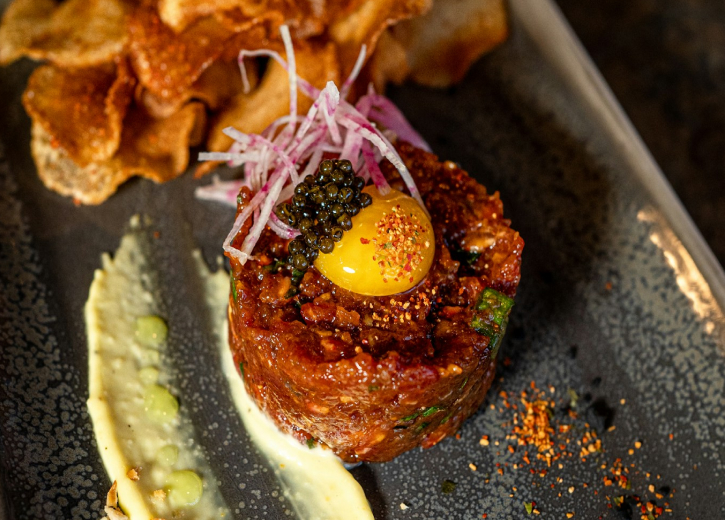
High-end Arctic dining is defined by a strong sense of place. The finest restaurants at luxury Lapland resorts build their menus around locally sourced, seasonal ingredients that reflect the surrounding landscape, from freshwater fish and game to foraged Arctic herbs and berries. This is not simply a trend; it is a commitment to authenticity that elevates the entire guest experience.
A Nordic menu rooted in regional produce tells a story about where you are. It connects the meal to the environment outside, reinforcing the immersive quality that distinguishes a truly premium Arctic stay. Equally important is the setting: dining in a well-designed restaurant space, with views of the winter landscape and thoughtful interior design, turns a meal into a genuinely memorable occasion.
The bar experience is an often-underestimated component of a high-end Arctic retreat. A well-curated selection of fine wines, handcrafted cocktails, and premium spirits, served in a relaxed and elegant lounge environment, provides a natural focal point for the evening hours. After a day of outdoor activities in the cold, the warmth and atmosphere of a well-run lounge bar is a genuine luxury in itself.
Which Arctic activities are considered truly premium in 2026?
Truly premium Arctic activities in 2026 are those that offer genuine depth, expert guidance, and a meaningful connection to the environment, rather than simply ticking a box on a tourist checklist. The activity itself matters less than the quality of the experience it delivers and the knowledge of the people leading it.
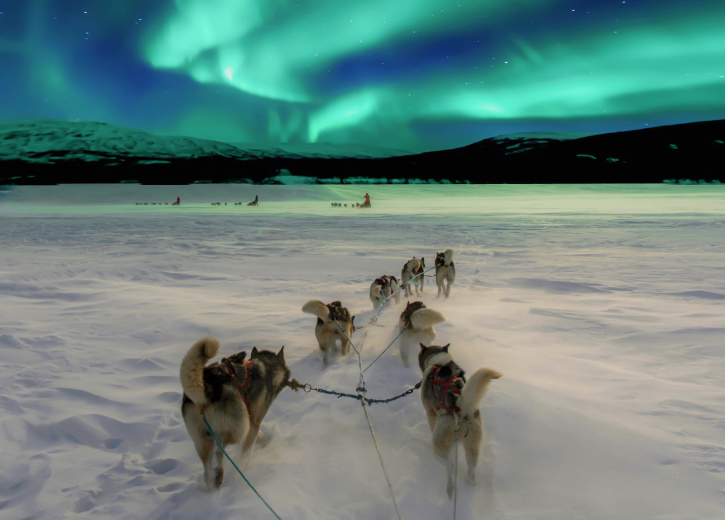
Aurora hunting tours led by experienced guides who understand weather patterns, cloud cover, and optimal viewing locations represent one of the highest-value activities available in Finnish Lapland. Unlike simply waiting outside a glass igloo, a guided Aurora hunt takes guests into the wilderness, away from any ambient light, and significantly improves the chances of a sighting.
Husky safaris, reindeer sleigh rides, and visits to working reindeer farms offer cultural and ecological depth that purely adrenaline-focused activities cannot. They provide insight into the traditions and livelihoods of Lapland’s indigenous Sami culture, adding a layer of meaning to the experience. Ice fishing and cross-country skiing, meanwhile, allow guests to engage with the landscape at their own pace, which many travellers find more rewarding than structured excursions.
At Aurora Queen Resort, we offer all of these Arctic activities as part of a curated programme designed to suit different levels of fitness and adventure. Whether guests prefer a quiet morning of ice fishing or a full-day snowmobile excursion, each activity is led by knowledgeable local guides who bring the landscape to life.
One of the more underrated premium experiences in the Arctic is simply the opportunity to spot wildlife in its natural habitat. The fox, in particular, is a creature that embodies the spirit of the Arctic wilderness. Catching a glimpse of one moving silently across a snow-covered fell is the kind of unrepeatable moment that no itinerary can guarantee but that a well-located, low-footprint resort makes far more likely.
How does sustainability fit into luxury Arctic travel in 2026?
Sustainability is no longer a secondary concern for luxury Arctic travellers; in 2026, it is a core component of what makes a stay genuinely premium. The most discerning guests understand that the landscapes they travel to experience are fragile, and they expect the resorts they choose to operate with that fragility in mind. Eco-conscious design and responsible practices are now markers of quality, not compromise.
Geothermal heating is one of the most significant indicators of genuine environmental commitment in a Lapland resort. It draws on the earth’s natural heat rather than fossil fuels, dramatically reducing the carbon footprint of a stay without affecting guest comfort. Combined with the use of solid wood and other natural materials in construction, it signals a resort that has thought carefully about its relationship with the land it occupies.
The choice to build a small number of units rather than scale up aggressively is itself a sustainability decision. A boutique resort with 17 igloos places a far lighter footprint on its surroundings than a large hotel complex. It also preserves the silence, the darkness, and the sense of wilderness that make the Arctic worth visiting in the first place.
For travellers evaluating a luxury Arctic experience in 2026, the question to ask is not simply whether a resort claims to be sustainable, but whether its design, energy systems, sourcing practices, and scale of operation reflect a genuine long-term commitment to the environment. The resorts that answer this question most convincingly are the ones most worth choosing.