Finnish Lapland is the snowiest destination in Finland, receiving some of the country’s highest annual snowfall and maintaining reliable snow cover for the longest period. Within Lapland, destinations in the far north, particularly around Saariselkä, consistently record the deepest snow accumulations and the longest winter seasons in the country. Below, we answer the most common questions travellers ask when planning a Finland winter trip.
Which part of Finland gets the most snow?
Northern Finnish Lapland receives the most snow in Finland. The region’s high latitude, cold continental climate, and fell terrain combine to produce deep, long-lasting snow cover that far exceeds what southern or central Finland typically sees. Snow begins accumulating in earnest from October and can persist well into May in the northernmost areas.
The snowiest places in Finland are concentrated in the northern fell areas, where elevation and exposure to Arctic air masses drive higher precipitation and lower temperatures. While coastal and southern regions of Finland do receive winter snowfall, warmer spells and rain events frequently reduce snow depth or clear it entirely. In northern Lapland, sub-zero temperatures are the norm for months at a time, meaning snowfall accumulates rather than melts away between storms.
Weather records consistently place northern Lapland at the top of Finland’s snow depth charts. In April 2020, the deepest snow cover measured anywhere in Finland that winter was recorded in Saariselkä, reaching an impressive 138 centimetres, a figure that illustrates just how dramatically the north outpaces the rest of the country when it comes to snowfall.
How long does snow last in Finnish Lapland?
Snow in Finnish Lapland typically lasts from October through to late April or early May, giving the region a snow season of roughly six to seven months. This is considerably longer than in southern Finland, where reliable snow cover is often limited to just a few weeks or months during the coldest part of winter.
The extended snow season in Lapland is driven by consistently low temperatures throughout winter. Once snow falls and settles, the cold ensures it stays. Rather than the freeze-thaw cycles common further south, Lapland’s winters are characterised by a steady accumulation of snow that builds up over months before gradually melting in spring.
Spring snow conditions in Lapland are particularly prized by outdoor enthusiasts. By March and April, the snowpack is firm and well settled, making it ideal for skiing, snowshoeing, and other winter activities. The days are also growing longer at this time of year, with bright Arctic sunshine reflecting off the snow, an experience quite different from the deep, dark midwinter.
What makes Saariselkä one of Finland’s snowiest spots?
Saariselkä is one of Finland’s snowiest and most snow-reliable destinations because of its location in northern Lapland, its elevated fell terrain, and its exposure to Arctic weather systems. The combination of latitude, altitude, and cold-holding topography means snow arrives early, accumulates deeply, and stays late into the season.
The Saariselkä Ski Resort, situated on the fells of Kaunispää and Iisakkipää, is the northernmost ski resort in Europe, a distinction that reflects just how far north and cold this area truly is. Its northern position means a long period of sub-zero temperatures, allowing snow that falls to remain on the ground rather than melting between snowfalls. Slope conditions are further supported by snowmaking infrastructure and snow fences that collect wind-blown snow, ensuring reliable coverage even in leaner natural snowfall years.
For the 2026 to 2027 winter season, the planned skiing period in Saariselkä extends from late November until early May, a window of roughly five months that few destinations anywhere in Europe can match. Beyond the ski slopes, the surrounding landscape of Urho Kekkonen National Park, which begins right next to the resort area, adds vast expanses of untracked snow-covered wilderness that stretch as far as the eye can see.
The natural environment here also rewards wildlife watchers. Reindeer move through the fell landscape throughout winter, and patient observers may spot a fox crossing the snow at dusk, moments that are simply part of daily life in this part of Lapland.
When is the best time to visit Finland for snow?
The best time to visit Finnish Lapland for guaranteed snow is from December through to April, with each month offering a distinct experience. December and January bring the deepest winter darkness and the best Northern Lights conditions, while February and March offer a balance of good snow depth, increasing daylight, and excellent activity conditions.
December to February: deep winter
The heart of winter in Finnish Lapland runs from December through February. Snow cover is well established by this point, temperatures are at their coldest, and the polar night, the period when the sun barely rises above the horizon, creates a magical, otherworldly atmosphere. This is prime time for Northern Lights viewing, as the long, dark nights maximise your chances of catching a display.
March and April: spring snow season
March and April are increasingly popular for Finland winter trips, and for good reason. The snowpack is at or near its deepest, the days are noticeably longer with bright sunshine returning, and temperatures, while still cold, are often more comfortable for outdoor activity. Skiing conditions in Saariselkä are typically excellent through this period, and the light reflecting off the snow creates a landscape of extraordinary beauty. For travellers who want snow without the harshest midwinter cold, this shoulder season is often the sweet spot.
What snow activities can you do in Finnish Lapland?
Finnish Lapland offers an exceptionally wide range of snow activities, from classic Nordic pursuits to guided Arctic adventures. Whether you prefer active exploration or slower, more contemplative experiences in the winter landscape, the region has something to offer at every pace.
Some of the most popular activities include:
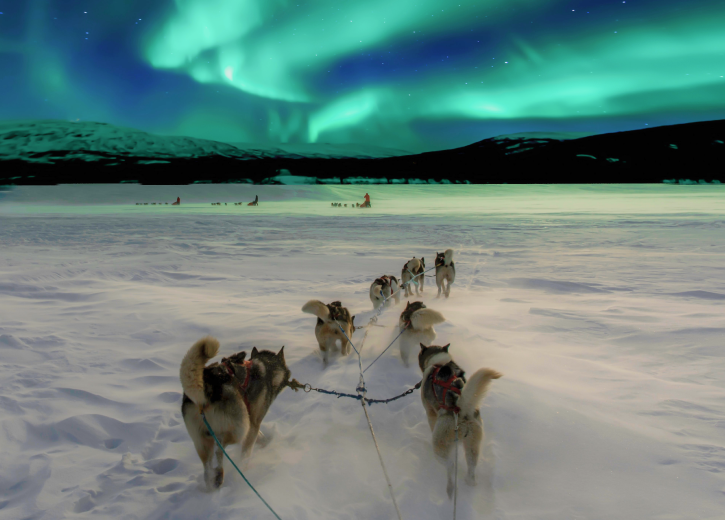
- Husky safaris: Travelling through the snowy fell landscape behind a team of huskies is one of the most iconic Lapland experiences. Guided tours range from short introductory rides to multi-hour expeditions into the wilderness.
- Reindeer sleigh rides: A slower, quieter way to move through the winter landscape, reindeer sleigh rides connect visitors to the deep cultural traditions of Sámi and Finnish Lapland life.
- Reindeer farm visits: Meeting reindeer up close and learning about their role in Lapland’s culture and economy is a highlight for many travellers.
- Snowmobile excursions: Guided snowmobile tours allow you to cover large distances across the fells and into the national park, reaching areas inaccessible by foot.
- Cross-country skiing: Finnish Lapland has an extensive network of groomed cross-country trails, ranging from gentle routes suitable for beginners to longer fell traverses for experienced skiers.
- Ice fishing: Drilling through the ice of a frozen lake and waiting in the winter silence is a deeply traditional Finnish pastime, and a surprisingly meditative one.
- Aurora hunting: Guided Northern Lights tours take you away from any ambient light to the best vantage points for catching a display, with knowledgeable guides who understand the conditions and timing.
- Winter hiking: The firm snow of Urho Kekkonen National Park makes for excellent winter hiking on snowshoes or with Nordic poles, with fell summits offering panoramic views across an unbroken white landscape.
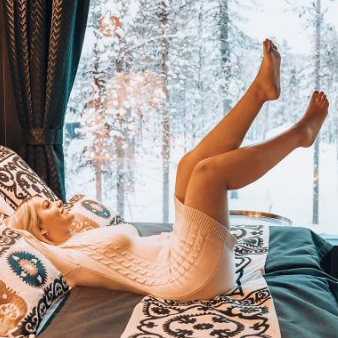
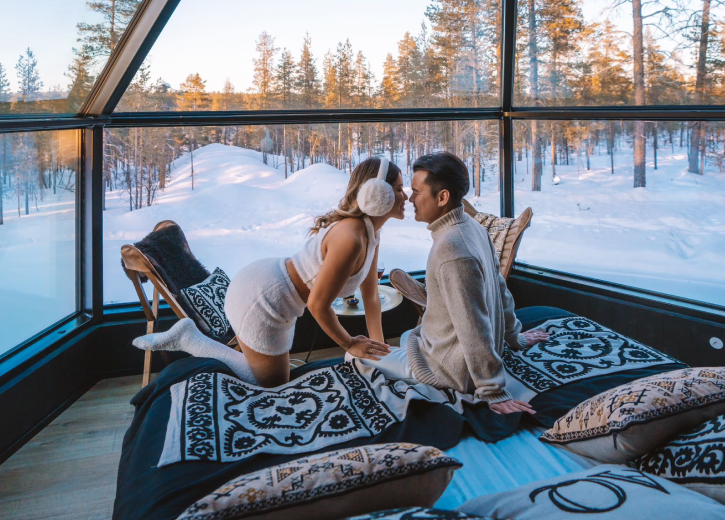
For those who want to experience the Northern Lights in complete comfort, staying in a glass igloo in Saariselkä means you can watch the aurora dance overhead from the warmth of your own bed, no alarm clocks or cold night air required. We designed our igloos at Aurora Queen Resort glass igloo accommodation with exactly this in mind: panorama windows and glass ceilings that frame the night sky, so that the landscape and its light shows are always part of your stay.
If you are ready to experience Finnish Lapland’s snowiest corner for yourself, book a glass igloo in Saariselkä and let the Arctic winter unfold around you.