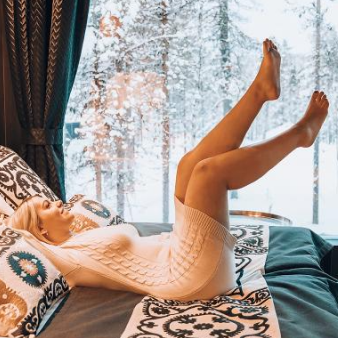

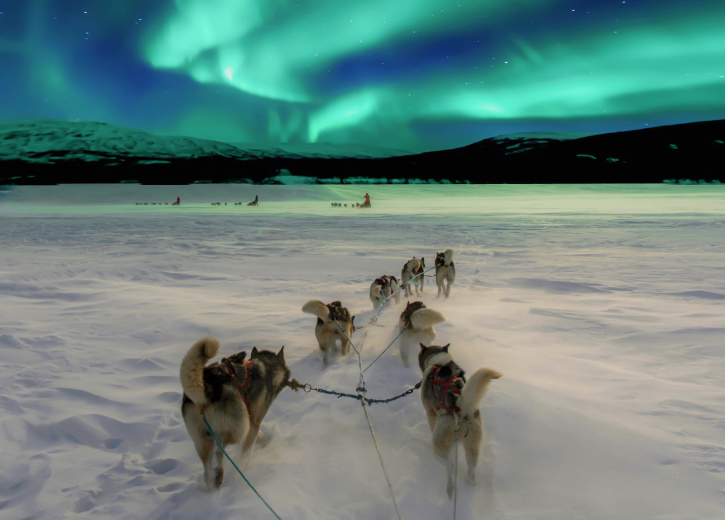
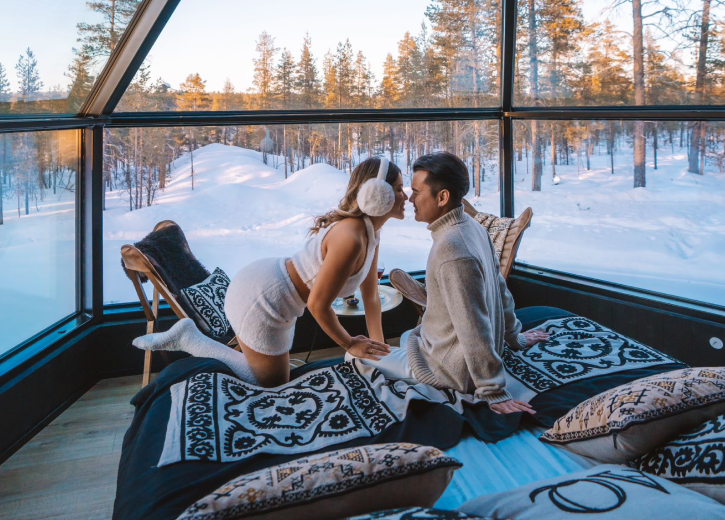
The best time to visit glass igloos for the northern lights is from late September through March, with peak viewing conditions occurring between October and February. During this period, you’ll have the longest nights, the clearest skies, and the most frequent auroral activity, giving you the best chance of witnessing the northern lights from the comfort of your glass-ceiling accommodation.
Poor timing is costing you the aurora experience of a lifetime
Arriving in the wrong season can mean spending thousands on accommodation while staring at empty skies—or dealing with the midnight sun, which completely blocks aurora visibility. Many travelers book summer trips to Lapland without realizing that the northern lights are impossible to see when the sun barely sets. This timing mistake turns what should be a magical aurora-viewing experience into an expensive disappointment. Plan your glass igloo stay between late September and March to align with the aurora season and maximize your investment in this once-in-a-lifetime experience.
Ignoring moon phases is sabotaging your northern lights photography
Booking your glass igloo stay without considering lunar cycles can dramatically affect aurora visibility and photo opportunities. A full moon creates bright ambient light that can wash out fainter auroral displays, while the complete darkness of a new moon can make it difficult to capture the surrounding landscape along with the lights. Choose dates around a quarter moon for the best balance between aurora visibility and enough ambient light to appreciate the full scene from your glass igloo.
When is the northern lights season for glass igloos?
The northern lights season for glass igloos runs from late September through March, with the most reliable viewing period occurring between October and February. This timeframe provides the essential darkness needed for aurora visibility, combined with peak geomagnetic activity.
Auroral activity follows an 11-year solar cycle, but within each year, the equinoxes in September and March typically bring increased geomagnetic activity that can trigger more frequent northern lights displays. The winter-solstice period from December through January offers the longest nights, giving you up to 19 hours of potential viewing time in northern Finland.
Early-season viewing in September and October offers milder temperatures and clearer skies, while late-season viewing in February and March can bring more frequent and sometimes more intense displays as spring approaches. Each period has distinct advantages, depending on your priorities for comfort versus aurora intensity.
What weather conditions are best for seeing northern lights from glass igloos?
Clear, cloudless skies with minimal precipitation provide the best conditions for northern lights viewing from glass igloos. Cloud cover blocks aurora visibility entirely, while snow or rain can obscure the glass ceiling and significantly reduce viewing quality.
Temperature plays a secondary role compared with cloud cover, but extremely cold conditions below minus 30 degrees Celsius can create ice crystals in the atmosphere that enhance aurora colors and intensity. However, these same conditions may cause condensation or frost on glass surfaces, making heated-glass technology important for maintaining a clear view.
Wind conditions also matter for comfort and visibility. Calm nights can make aurora displays appear more stable and defined, while high winds can cause drifting snow that may temporarily block parts of your view through the glass ceiling. Check weather forecasts for clear-sky predictions at least 24 hours before your planned viewing night.
How many hours of darkness do you need for aurora viewing?
You need a minimum of 4–5 hours of complete darkness for effective northern lights viewing, though 8–10 hours provides optimal conditions for catching aurora displays that may occur at different times throughout the night.
In northern Finland during peak season, you can enjoy up to 19 hours of darkness per night around the winter solstice. This extended window dramatically increases your chances of witnessing multiple aurora displays in a single evening. The northern lights typically appear between 9 PM and 2 AM, but they can occur at any time during the dark hours.
Aurora activity often comes in waves lasting 15–30 minutes, with breaks of several hours between displays. Having extended darkness allows you to catch multiple waves without the pressure of a narrow viewing window. From a glass igloo, you can comfortably monitor the sky throughout the entire dark period without leaving your glass igloo accommodation.
Should you visit glass igloos during a new moon or a full moon for northern lights?
A quarter moon offers the best compromise for northern lights viewing from glass igloos, providing enough darkness to see faint auroral displays while offering sufficient ambient light to appreciate the surrounding landscape and take better photographs.
New-moon periods create near-total darkness, allowing you to see even faint aurora activity, including subtle green glows and distant displays. However, this darkness can make it difficult to see the Lapland landscape around your glass igloo, reducing the overall visual experience and making photography more challenging.
Full-moon phases provide beautiful landscape illumination that can create magical winter scenes, but the bright moonlight can wash out weaker aurora displays. You’ll typically see only the most intense northern lights during full-moon periods, potentially missing much of the activity. Bright moonlight can also create glare on glass surfaces, which may interfere with viewing comfort.
What’s the difference between early-season and late-season aurora viewing?
Early-season aurora viewing from September through November offers milder weather and often clearer skies, while late-season viewing from January through March can bring more intense aurora displays but harsher conditions and a higher risk of cloud cover.
September and October can be ideal for first-time aurora viewers, with temperatures around minus 5 to minus 15 degrees Celsius and less snow accumulation that could obstruct glass-igloo views. Aurora displays during this period may be steadier and longer-lasting, though generally less intense than late-season shows.
Late-season viewing from February through March often coincides with increased geomagnetic activity, which can produce more dramatic, colorful aurora displays, including stronger reds, purples, and blues. However, these months can bring harsher weather, with temperatures dropping to minus 25 degrees Celsius or lower, increased snowfall, and more variable conditions that can create sudden cloud cover. The trade-off is between comfort and aurora intensity, with late season offering the most spectacular displays for those willing to brave more challenging conditions. Aurora Queen Resort provides the igloos designed for aurora viewing with optimal positioning and heated glass technology to ensure clear viewing regardless of weather conditions. Book your aurora viewing experience to secure your dates during the optimal season.
Book Your Aurora Glass Igloo Experience Today
Don’t let poor timing rob you of witnessing one of nature’s most spectacular displays. The northern lights season is limited, and the best viewing conditions occur only during specific months. Secure your glass igloo accommodation now to guarantee your spot during the optimal aurora viewing period. With heated glass technology and prime positioning for northern lights observation, you’ll have the perfect vantage point to experience the magic of the aurora borealis in complete comfort. Reserve your glass igloo holiday and create memories that will last a lifetime.