
Lapland’s winter temperatures typically range from -5°C to -30°C (23°F to -22°F) between November and March. The coldest months are January and February, when temperatures regularly drop below -20°C (-4°F), especially during night hours. Northern Lapland experiences more extreme cold than southern regions, with occasional drops to -40°C (-40°F) in areas like Kilpisjärvi and Enontekiö. Despite these frigid temperatures, the dry climate and proper clothing make winter activities and aurora viewing comfortable experiences.
What is the average temperature in Lapland during winter?
Lapland’s winter temperatures typically range from -5°C to -30°C (23°F to -22°F) from November through March, with significant variations between day and night. December through February sees the coldest conditions, often averaging -14°C (7°F) during daylight hours and dropping to -20°C (-4°F) or lower at night.
The temperature experience varies considerably across Lapland’s vast territory. Southern Lapland (areas like Rovaniemi) generally maintains milder temperatures, often between -10°C and -15°C (14°F to 5°F) in midwinter. Northern Lapland, particularly regions near Kilpisjärvi, Utsjoki, and Inari, regularly experiences much colder conditions, with temperatures frequently dropping below -25°C (-13°F).
Temperature extremes are also part of Lapland’s winter character. Record lows can reach -40°C to -45°C (-40°F to -49°F) during particularly cold spells, though these extreme temperatures are relatively rare. The coldest officially recorded temperature in Finnish Lapland was -51.5°C (-60.7°F) in Kittilä in 1999, though such extreme cold is exceptional.
Interestingly, Lapland’s winter temperatures often feel less severe than the thermometer suggests due to the region’s dry climate. The low humidity means the cold feels “crisp” rather than damp and penetrating, making outdoor activities more comfortable than in moister climates with similar temperatures.
When is the coldest month in Lapland?
January and February share the distinction of being the coldest months in Lapland, with average temperatures ranging from -10°C to -20°C (14°F to -4°F), though colder periods frequently push temperatures below -30°C (-22°F). These midwinter months experience the deepest cold due to minimal sunlight, with many areas experiencing the polar night phenomenon.
January typically brings the coldest sustained periods, particularly in the latter half of the month. Average daytime temperatures hover around -13°C to -15°C (8°F to 5°F) in areas like Rovaniemi, while nighttime temperatures regularly drop to -20°C (-4°F) or lower. Northern areas such as Kilpisjärvi and Inari experience even colder conditions, with averages closer to -18°C (0°F) during daylight hours.
February maintains similar temperature patterns to January, though the increasing daylight hours can bring slightly more warmth during sunny days. By late February, the average temperatures begin a slow upward trend, though -25°C (-13°F) readings remain common, especially during clear nights when heat radiates rapidly into the atmosphere.
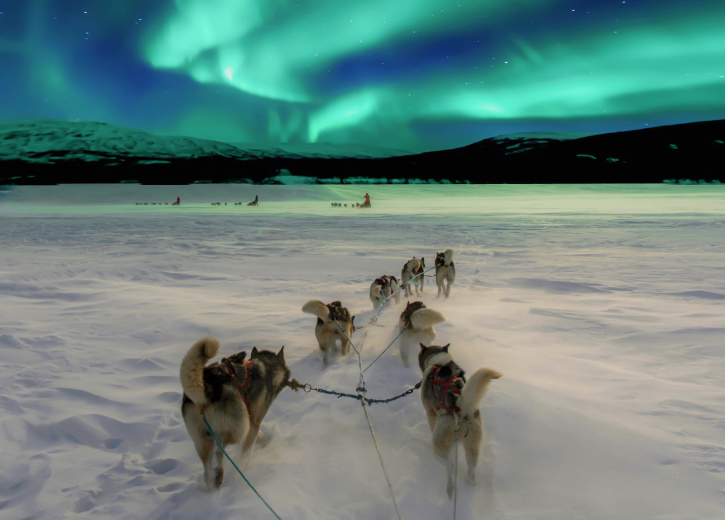
These cold temperatures actually create ideal conditions for aurora viewing. The clear, crisp air that accompanies the coldest periods often produces the best visibility for the Northern Lights. When temperatures drop below -20°C (-4°F), the air typically contains very little moisture or cloud cover, creating perfect conditions for spectacular aurora displays.
Recent climate trends have shown some warming in Lapland’s winter temperatures, though the region still experiences profoundly cold winters. Even with these trends, January and February temperatures remain well below freezing, with cold snaps still regularly pushing temperatures to -30°C (-22°F) or lower.
How does Lapland’s winter temperature compare to other northern destinations?
Lapland’s winter temperatures are generally colder than Iceland but milder than parts of Northern Canada and Alaska. While Lapland regularly experiences -15°C to -25°C (5°F to -13°F) in midwinter, Iceland typically sees milder temperatures between -5°C and 0°C (23°F to 32°F) due to the moderating influence of the Atlantic Ocean and Gulf Stream.
Compared to Alaska, Lapland’s climate is more consistent. Interior Alaska can experience more extreme temperature swings, with some areas recording temperatures below -50°C (-58°F). However, coastal Alaskan regions often have milder winters than Lapland due to maritime influences. Lapland’s temperature patterns tend to be more stable through the winter months.
Northern Canada, particularly regions like Yukon and Northwest Territories, generally experiences colder winter temperatures than Lapland. Areas like Yellowknife regularly see January averages around -27°C (-17°F), significantly colder than most of Lapland. The continental climate of Northern Canada creates more extreme cold than Lapland’s somewhat moderated Nordic conditions.
What makes Lapland’s climate unique for aurora viewing and winter activities is its combination of reliable cold, relatively stable weather patterns, and dry air. The humidity levels in Lapland are typically lower than in Iceland and coastal Alaska, creating that characteristic “dry cold” that feels less biting despite low temperatures. This dry cold also correlates with clearer skies, enhancing aurora visibility.
Additionally, Lapland’s position under the aurora oval—the ring-shaped region where aurora activity is most common—means it offers exceptional Northern Lights viewing opportunities despite having somewhat milder temperatures than the most extreme northern destinations. This combination of manageable cold and prime aurora positioning makes Lapland particularly attractive for winter visitors.
What should you pack for Lapland’s winter temperatures?
For Lapland’s winter temperatures, pack a proper layering system consisting of base layers, mid-layers, and a high-quality outer shell. This three-part approach is essential for staying comfortable in temperatures that regularly drop below -20°C (-4°F) while allowing adjustment for varying activities and conditions.
For base layers, invest in merino wool or synthetic thermal underwear (both tops and bottoms). These materials wick moisture away from your skin while retaining heat, even when damp. Cotton should be strictly avoided as it retains moisture and can actually make you colder. At least two sets of base layers are recommended for longer stays.
Mid-layers provide crucial insulation and should include:
- A thick fleece or wool jumper
- Insulated trousers or thick hiking trousers
- A down or synthetic insulated jacket for extreme cold days
- Multiple pairs of wool socks (never cotton)
Your outer layer needs to block wind and moisture while trapping heat. Essential items include:
- A windproof, insulated parka rated for extreme cold (ideally with a hood)
- Insulated, waterproof snow trousers
- Waterproof, insulated winter boots rated to at least -30°C (-22°F)
- Insulated, waterproof gloves or mittens (mittens are warmer)
Head, face, and neck protection is critical in Lapland’s cold. Pack a warm hat that covers your ears, a neck gaiter or scarf, and a balaclava or face mask for the coldest days. These items prevent significant heat loss and protect exposed skin from frostbite, particularly important during aurora viewing when you might be standing still for extended periods.
Additional specialized items to consider include hand and toe warmers, insulated glove liners, and ski goggles, which prevent eye watering in extreme cold and wind. While watching for northern lights, thermal sitting pads can make a remarkable difference in comfort when standing on snow or ice.
While many visitors worry about the cold, proper clothing truly makes Lapland’s winter temperatures manageable, allowing you to comfortably enjoy the dancing lights in the sky and maybe even spot a fox darting across the snowy landscape.
How do glass igloos stay warm in Lapland’s winter temperatures?
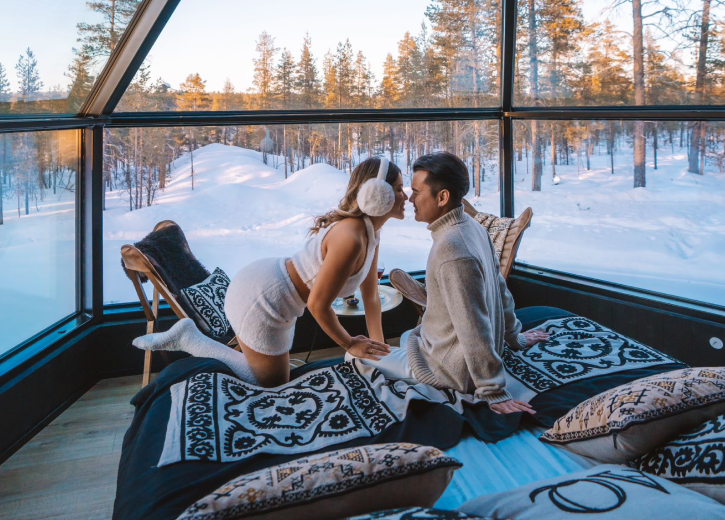
Glass igloos maintain comfortable interior temperatures in Lapland’s harsh winter through a combination of sophisticated heating systems, specially engineered glass, and advanced insulation techniques. These structures are specifically designed to create a cosy environment while maximizing aurora viewing opportunities in temperatures that often drop below -30°C (-22°F).
The glass itself is the first line of defence against the cold. Most quality igloos use multi-layered thermal glass that includes:
- Multiple panes with insulating gas between layers
- Special coatings that reflect heat back into the igloo
- Thermal breaking technology that prevents cold transfer through the glass
Underfloor heating systems are essential in glass igloos, providing consistent warmth from below. This radiant heating is particularly effective because it warms objects and people directly rather than just heating the air. The heat naturally rises through the space, creating comfortable temperatures throughout the igloo while preventing cold spots near the floor.
Many glass igloos also incorporate supplementary heating systems. These might include discreet electric heaters positioned strategically around the perimeter, heated air circulation systems, or even integrated heating elements within the glass itself. These systems work together to maintain temperatures between 20-22°C (68-72°F) regardless of external conditions.
The junction where the glass meets the base structure requires special attention. High-quality igloos use thermal breaks and advanced sealing techniques to prevent cold air infiltration at these potential weak points. Some designs incorporate a small solid wall section at the base, which provides additional insulation while housing heating equipment.
Perhaps the most impressive aspect of well-designed glass igloos is how they balance thermal efficiency with clear viewing. The heating systems must work effectively without creating internal condensation that would obscure aurora views. This is achieved through careful management of interior humidity levels and maintaining consistent surface temperatures across all glass panels.
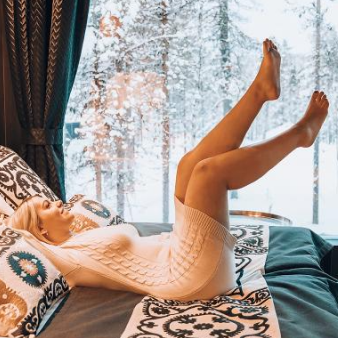
When we welcome guests to our igloos, they’re often surprised by how comfortable the temperature remains even during the coldest nights, allowing them to lie in bed and watch the northern lights dance across the sky without feeling the bite of Lapland’s winter temperatures.
The engineering behind these structures represents a perfect marriage of comfort and experience, allowing visitors to immerse themselves in Lapland’s magical winter landscape without sacrificing modern comforts.
Experience Lapland’s Winter Magic for Yourself
After learning about Lapland’s unique winter climate and the cozy warmth of glass igloos, why not experience this arctic wonderland firsthand? The combination of crisp, dry cold, spectacular aurora displays, and comfortable accommodations creates an unforgettable winter adventure.
Our Aurora Queen Resort offers the perfect base for exploring Lapland’s winter wonders. From watching the Northern Lights dance above your glass igloo to experiencing exhilarating winter activities in the pristine snow, every moment becomes a treasured memory.
Don’t just dream about witnessing the magic of Lapland’s winter—make it a reality. Our specially designed packages include everything you need to stay warm, comfortable, and mesmerized by the beauty of the Arctic.
Book your Lapland winter adventure today and discover why the coldest season offers the warmest memories.