
Nature in Lapland represents one of Europe’s last true wilderness areas, where pristine forests stretch endlessly beneath vast skies and untouched landscapes create profound tranquillity. This northern region above the Arctic Circle offers dramatic seasonal transformations, from winter’s snow-covered silence to summer’s midnight sun, whilst supporting unique wildlife and extraordinary natural phenomena like the aurora borealis. Understanding Lapland’s nature helps explain why this remote corner of Finland captivates travellers seeking authentic wilderness experiences.
Topic foundation
Lapland stands apart as one of Europe’s most pristine wilderness regions, where nature remains largely untouched by human development. The vast expanses of forest, fell, and water create an environment that feels timeless and profoundly peaceful. This distinctive character stems from Lapland’s position above the Arctic Circle, where sparse population density allows nature to dominate the landscape completely.
The significance of nature in Lapland extends beyond mere scenery. These wilderness areas represent ecosystems that function much as they have for centuries, supporting wildlife adapted to extreme conditions and seasonal changes. The region’s pristine air quality, dark skies, and undisturbed forests create conditions increasingly rare elsewhere in Europe.
What draws people to experience Lapland’s nature is this authentic wilderness character. The dramatic seasonal transformations, from perpetual winter darkness to endless summer daylight, create ever-changing natural spectacles. Combined with opportunities to witness phenomena like the northern lights and encounter wildlife in their natural habitat, Lapland offers immersion in nature that feels genuinely remote and unspoilt.
What makes Lapland’s natural environment so unique?
Lapland’s natural environment stands out for its arctic location above the Arctic Circle, creating conditions unlike anywhere else in Europe. The region’s position results in extreme seasonal light variations, pristine wilderness areas covering thousands of square kilometres, and environmental conditions that support specially adapted ecosystems. This combination of factors creates landscapes that feel genuinely untouched and remote.
The sparse population density across Lapland means vast areas remain completely undeveloped. Endless boreal forests of pine and spruce stretch across rolling terrain, punctuated by open fell areas where trees give way to low vegetation and exposed rock. Rivers and lakes dot the landscape, many remaining in near-pristine condition due to minimal human impact.
What truly distinguishes nature in Lapland from other European destinations is this sense of untouched wilderness. Walking through these forests or across fell landscapes, you can travel for hours without encountering signs of human presence. The silence is profound, broken only by wind through trees or birdsong. The air quality remains exceptionally pure, contributing to the crystal-clear visibility that makes Lapland ideal for viewing natural phenomena.
The region’s distinctive fells create unique landscapes where treeline gives way to open terrain. These rounded hills, shaped by ancient glaciation, offer expansive views across wilderness that seems to stretch forever. Combined with countless lakes and rivers, Lapland’s topography creates diverse habitats supporting varied wildlife and plant communities adapted to arctic conditions.
How do the seasons transform Lapland’s landscape?
Lapland experiences dramatic seasonal transformations that completely alter the landscape’s appearance and character. Winter blankets the region in deep snow from November through April, creating a monochrome world where frozen lakes blend seamlessly with snow-covered forests. During the polar night period, the sun barely rises above the horizon, bathing the landscape in extended twilight that creates magical blue-tinted scenery.
Spring arrives suddenly in May, when rapidly lengthening days trigger swift snowmelt and nature’s awakening. Rivers swell with meltwater, ice breaks up on lakes, and the first green shoots emerge. This transitional period, though brief, brings dramatic daily changes as winter’s grip loosens and life returns to the landscape.
Summer transforms Lapland into a green wonderland where the midnight sun creates 24-hour daylight. Forests burst into full foliage, wildflowers carpet meadows and fell slopes, and the landscape buzzes with insect and bird life. The extended daylight allows plants to grow rapidly, making the most of the short growing season. Lakes and rivers become accessible for exploration, and the landscape feels vibrant and alive.
Autumn, known locally as ruska, brings perhaps Lapland’s most spectacular colour display. In September, fell vegetation turns brilliant shades of red, orange, and gold, creating landscapes that glow with colour. This transformation lasts only a few weeks before the first snows arrive, but it represents one of nature’s most stunning seasonal displays. The crisp air and changing light create ideal conditions for experiencing the transitional beauty of nature in Lapland.
What wildlife can you encounter in Lapland’s wilderness?
Lapland’s wilderness supports diverse wildlife adapted to arctic conditions, including iconic species like reindeer, moose, brown bears, foxes, wolverines, and numerous bird species. These animals have evolved to survive extreme seasonal variations, from harsh winter cold to brief summer abundance. The pristine environment provides habitats ranging from dense forests to open fell areas, each supporting different wildlife communities.
Reindeer remain the most commonly encountered large mammals in Lapland. Both semi-domesticated herds and wild populations roam across the region, particularly visible in fell areas. These animals are perfectly adapted to arctic conditions, with specialized hooves for walking on snow and the ability to find food beneath winter’s snow cover.
Moose inhabit Lapland’s forests and are most active during dawn and dusk. These massive animals browse on tree shoots and aquatic vegetation, often appearing near lakes and rivers. Brown bears, whilst present in Lapland’s wilderness, remain elusive and rarely encountered. They prefer remote forest areas and are most active during summer months when food is abundant.
Foxes, particularly well-adapted to arctic conditions with their thick winter coats, hunt across various habitats. Wolverines, though rare, inhabit the most remote wilderness areas. Bird life varies dramatically by season, with species like ptarmigan remaining year-round whilst migratory birds arrive in spring to breed during the brief summer. Birds of prey, including golden eagles and owls, patrol the skies hunting smaller mammals.
Realistic expectations matter when hoping to encounter wildlife. Animals remain naturally wary, and sightings often happen unexpectedly during quiet forest walks or whilst observing from accommodation. The pristine nature in Lapland supports healthy wildlife populations, but patience and respect for their space increases your chances of memorable encounters.
What natural phenomena can you experience in Lapland?
Lapland offers extraordinary natural phenomena including the northern lights, midnight sun, polar night, and exceptionally clear arctic air. The region’s position above the Arctic Circle, combined with minimal light pollution and pristine atmospheric conditions, creates ideal circumstances for experiencing these wonders. These phenomena draw visitors worldwide seeking experiences impossible elsewhere in Europe.
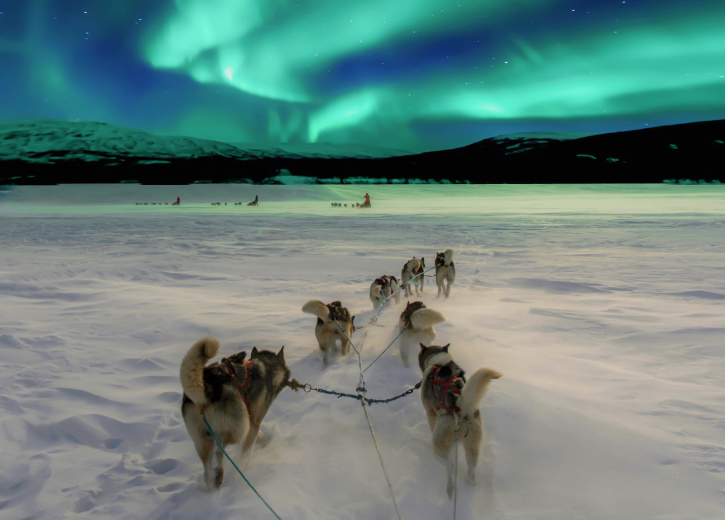
The aurora borealis appears regularly from September through March, when dark nights return to Lapland. These dancing lights result from solar particles interacting with Earth’s atmosphere, creating green, pink, and sometimes red curtains of light across the sky. Lapland’s dark skies and northern latitude make it one of Earth’s best locations for aurora viewing. Clear weather and solar activity determine visibility, but during active periods, the lights can appear multiple times weekly.
Summer’s midnight sun creates a completely different phenomenon, with 24-hour daylight from June through July. The sun circles the horizon without setting, bathing the landscape in continuous golden light. This extended daylight profoundly affects both nature and human experience, creating opportunities to explore at any hour and witness how wildlife adapts to constant light.
The polar night period, whilst not complete darkness, brings extended twilight when the sun barely rises above the horizon. This creates ethereal blue-tinted landscapes and long hours of soft light perfect for photography. The quality of arctic air in Lapland remains exceptional due to the region’s remoteness and lack of industrial pollution. This clarity enhances visibility for both aurora viewing and appreciating the landscape’s details.
What makes experiencing these phenomena from Lapland particularly special is the pristine natural setting. Watching the northern lights dance above snow-covered forests whilst surrounded by profound silence creates memories that urban aurora viewing cannot match. The combination of these phenomena with nature in Lapland creates truly extraordinary experiences.
How does Lapland’s nature affect the experience of staying there?
Staying immersed in Lapland’s natural environment creates profound tranquillity and offers psychological benefits increasingly recognized as valuable. The wilderness silence, pristine surroundings, and connection to natural rhythms provide genuine disconnection from modern life’s constant stimulation. Nature-immersive accommodation allows you to experience this environment intimately whilst maintaining comfort.
The profound quiet of Lapland’s wilderness affects people deeply. Without traffic noise, artificial lighting, or urban sounds, you become attuned to natural sounds like wind through trees, bird calls, or the crunch of snow underfoot. This silence allows mental rest difficult to achieve elsewhere, creating space for reflection and genuine relaxation.
Being surrounded by pristine nature encourages slower rhythms and mindful presence. Forest walks become meditative experiences, and simply observing the landscape’s subtle changes throughout the day provides satisfaction. The changing seasons create different experiences, from winter’s cosy retreats watching snow fall to summer’s endless daylight enabling extended nature exploration.
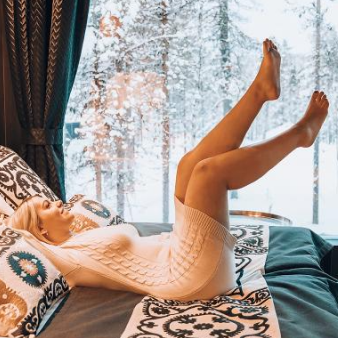
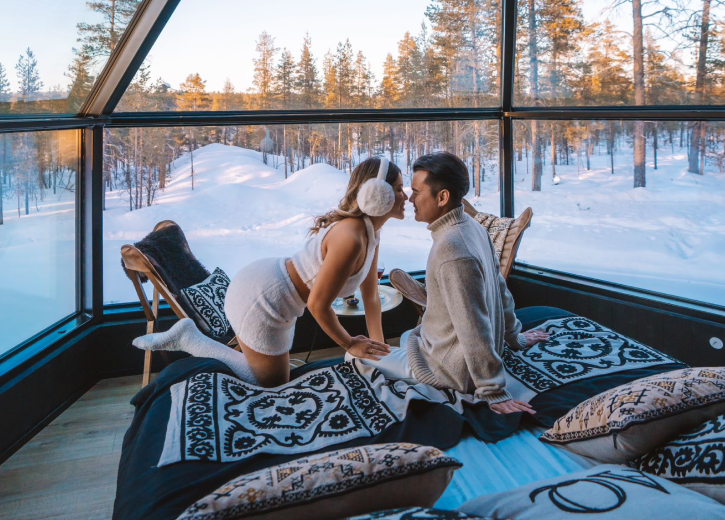
Accommodation designed to connect guests with nature in Lapland, such as Aurora Queen Resort’s glass-ceilinged structures, allows you to remain immersed in the environment whilst staying comfortable. Watching the aurora dance overhead from your bed, observing stars through clear arctic air, or waking to forest views creates intimate connections with the natural world. These experiences combine comfort with wilderness immersion in ways traditional accommodation cannot offer.
The natural environment’s influence extends beyond visual beauty. The clean air, natural light cycles, and peaceful surroundings contribute to improved sleep quality and reduced stress. Many visitors describe feeling more rested and mentally clear after time spent in Lapland’s nature, attributing this to the environment’s restorative qualities.
Knowledge synthesis
Nature in Lapland creates a complete sensory and emotional experience combining pristine wilderness, dramatic seasonal transformations, adapted wildlife, and extraordinary natural phenomena. The region’s position above the Arctic Circle, sparse population, and vast undeveloped areas preserve an environment that feels genuinely untouched and remote.
Each element contributes to the whole experience. The endless forests and fells provide the wilderness setting. Seasonal changes from winter’s snow-covered silence to summer’s midnight sun create ever-changing landscapes. Wildlife adapted to these extreme conditions adds life to the environment. Natural phenomena like the aurora borealis and exceptional air quality make Lapland ideal for experiencing nature’s most spectacular displays.
Staying in Lapland offers immersion in one of Europe’s most pristine natural environments. Whether watching the northern lights dance above winter forests, exploring under the midnight sun, or simply absorbing the profound tranquillity of wilderness silence, the experience connects you to nature in increasingly rare ways. Each season offers its own magical perspective on this remarkable landscape, ensuring that nature in Lapland reveals different facets throughout the year, inviting you to return and experience its transformations again.