

Finnish cuisine is a deeply rooted, ingredient-led tradition built around the natural landscape of Finland. It is defined by wild-harvested ingredients, freshwater fish, game, root vegetables, rye, and dairy, shaped over centuries by a short growing season and vast, untouched wilderness. Finnish food culture is honest, seasonal, and quietly sophisticated, with a focus on purity of flavour rather than complexity of technique. The sections below explore what makes Finnish cooking distinctive, which dishes define it, and where you can taste it at its most authentic.
What ingredients define Finnish cooking?
Finnish cooking is defined by a core set of wild and cultivated ingredients that reflect the country’s northern landscape: rye, barley, freshwater fish, game meat, root vegetables, dairy, forest mushrooms, and wild berries. These ingredients are not just traditional choices but practical ones, shaped by centuries of living in a climate where the growing season is short and the wilderness provides abundance.
Rye holds a particularly central place in Finnish food culture. Dark, dense rye bread has been a dietary staple for hundreds of years and remains a daily presence on Finnish tables today. Its earthy bitterness and firm texture are distinctly Finnish, setting it apart from the lighter wheat breads common in much of Europe.
Fish is equally fundamental. Finland’s thousands of lakes and long Baltic coastline mean that freshwater and saltwater fish have always been a primary protein source. Perch, pike, whitefish, and salmon appear in everything from simple pan-fried preparations to elaborate celebration dishes. Gravlax, salt-cured salmon, is perhaps the most internationally recognised example of how Finnish cooks handle fish with restraint and confidence.
Dairy runs through Finnish cooking in a way that surprises many visitors. Butter, cream, sour cream, and fresh curd cheeses are used generously, adding richness to dishes that might otherwise seem austere. Finnish milk products are considered some of the purest in Europe, a reflection of the country’s clean environment and high animal welfare standards.
Wild ingredients complete the picture. Lingonberries, cloudberries, bilberries, chanterelle mushrooms, and forest herbs are gathered seasonally and used throughout the year, either fresh, preserved, or fermented. These wild elements give Finnish food a flavour profile that is genuinely impossible to replicate anywhere else.
What are the most iconic traditional Finnish dishes?
The most iconic traditional Finnish dishes include rye bread, salmon soup, Karelian pasties, reindeer stew, and cloudberry desserts. These dishes represent the full range of Finnish cooking, from everyday staples to festive centrepieces, and each one reflects a specific region, season, or cultural tradition within Finland.
Savoury staples and hearty mains
Karjalanpiirakka, or Karelian pasties, are one of the most beloved Finnish foods. These thin rye-crust pastries are filled with rice porridge or mashed potato and traditionally served with egg butter. They originate from the Karelia region in eastern Finland and have become a national symbol, eaten at breakfast, as a snack, or alongside soup.
Lohikeitto, Finnish salmon soup, is a comforting dish of salmon, potato, leek, and cream, seasoned simply with dill. It is warming, nourishing, and deeply satisfying, exactly the kind of food that makes sense in a cold northern climate. Poronkäristys, sautéed reindeer, is another defining dish, particularly in Lapland. Thinly sliced reindeer meat is slow-cooked with butter and onion, then served with mashed potato and lingonberry jam. The combination of rich meat, creamy potato, and sharp berry is a perfect expression of Finnish flavour logic.
Breads, pastries, and sweet traditions
Ruisleipä, dark rye bread, is eaten at virtually every Finnish meal. Its dense crumb and sour flavour are acquired tastes for newcomers but become deeply satisfying once familiar. Pulla, a soft cardamom-spiced sweet bread, is the centrepiece of Finnish coffee culture, enjoyed during the daily ritual of kahviaika, or coffee time. Mustikkapiirakka, blueberry pie made with wild bilberries, rounds out the sweet side of traditional Finnish cooking with a simplicity that lets the fruit speak for itself.
How does Finnish cuisine differ from other Nordic food traditions?
Finnish cuisine differs from other Nordic food traditions primarily in its stronger reliance on wild forest ingredients, freshwater fish, and dairy, and its closer cultural ties to eastern influences through the Karelian tradition. While Swedish, Norwegian, and Danish cooking share many ingredients with Finnish food, the flavour profiles, preparation methods, and cultural context are meaningfully distinct.
Swedish cuisine, for example, leans more heavily on cured and pickled fish, particularly herring, and has a stronger tradition of smörgåsbord-style presentation. Norwegian food is shaped by its Atlantic coastline, with stockfish and cured meats playing a central role. Danish cooking has absorbed more continental European influences, with a refined open-sandwich tradition that differs considerably from Finnish everyday eating.
Finnish cooking, by contrast, has been influenced by both Scandinavian and Russian culinary traditions, particularly in the east of the country. The Karelian pasty and several porridge-based dishes reflect this eastern heritage. Finnish food also places greater emphasis on foraged ingredients than most other Nordic cuisines, with wild mushrooms and berries featuring not as garnishes but as primary components of everyday meals.
Perhaps most distinctively, Finnish food culture is less restaurant-driven and more home-centred than its Scandinavian neighbours. The tradition of cooking with what the land provides, whether from a forest walk or a family vegetable plot, remains genuinely alive in Finland in a way that feels less self-conscious than the New Nordic food movement that emerged from Denmark and Sweden.
Why does foraging play such a central role in Finnish food culture?
Foraging plays a central role in Finnish food culture because Finland’s vast forests, clean wilderness, and legal right to access land freely make it both practical and deeply culturally embedded. The Finnish concept of everyman’s rights, known as jokamiehenoikeus, allows anyone to pick berries, mushrooms, and herbs from public and private land, making foraging a democratic and widely practised activity.
Finland is covered by more than 70 percent forest, and those forests are extraordinarily rich in edible species. Chanterelles, porcini, and funnel chanterelles grow in abundance. Lingonberries, cloudberries, bilberries, and crowberries carpet the ground across vast areas. This is not a marginal or specialist pursuit but a seasonal rhythm that most Finnish families participate in as a matter of course.
The practical dimension reinforces the cultural one. For much of Finnish history, supplementing cultivated food with foraged ingredients was essential for survival through long winters. That necessity transformed into tradition, and tradition has become identity. Today, Finns forage not because they have to but because it connects them to the landscape, to family memory, and to a way of understanding food that is rooted in place rather than supply chains.
For visitors to Finnish Lapland, this foraging culture is visible in the food served at local restaurants and resorts. Wild ingredients appear on menus not as exotic additions but as natural expressions of the season and the surrounding landscape.
What does a traditional Finnish meal look like?
A traditional Finnish meal is structured around one main dish, typically fish, meat, or a hearty casserole, accompanied by boiled or mashed potatoes, rye bread, and a simple salad or pickled vegetables. Meals are unfussy and generous, designed for nourishment and warmth rather than elaborate presentation.
Breakfast in Finland is substantial by European standards. It typically includes rye bread with butter and cheese, porridge made from oats or rye, yoghurt, and coffee. The Finnish relationship with coffee is intense: Finland consistently ranks among the highest per-capita coffee-consuming nations in the world, and coffee is served throughout the day at regular intervals.
Lunch, often called lounas, is traditionally the main meal of the day in Finland. Many workplaces and schools offer a warm lunch that follows the classic structure of soup or a hot main, bread, salad, and a drink. This midday meal culture reflects a practical orientation toward food, one that prioritises sustenance and routine over ceremony.
Dinner tends to be lighter, though it still follows recognisable patterns. Soup, open sandwiches, or reheated leftovers from lunch are common. On weekends and special occasions, dinner becomes more elaborate, with dishes like roast fish, game stews, or traditional casseroles taking centre stage. Dessert often means fresh or preserved berries with cream or a simple pastry, keeping the meal grounded in the same ingredient logic that runs through the whole cuisine.
Where can you experience authentic Finnish cuisine in Lapland?
Authentic Finnish cuisine in Lapland is best experienced at locally run restaurants and resort dining rooms that source ingredients directly from the surrounding region, using wild game, freshwater fish, foraged mushrooms and berries, and locally produced dairy. Lapland’s food scene is small but genuine, and the best meals here are inseparable from their landscape.
Reindeer features prominently on Lapland menus in a way it simply does not elsewhere in Finland. Sautéed reindeer, reindeer soup, and smoked reindeer are all regional staples, and eating them in Lapland carries a sense of place that is difficult to replicate in a city restaurant. The same applies to Arctic fish dishes, particularly those featuring whitefish and perch from local lakes, and to desserts built around cloudberries, which thrive in the wet, cool terrain of the far north.
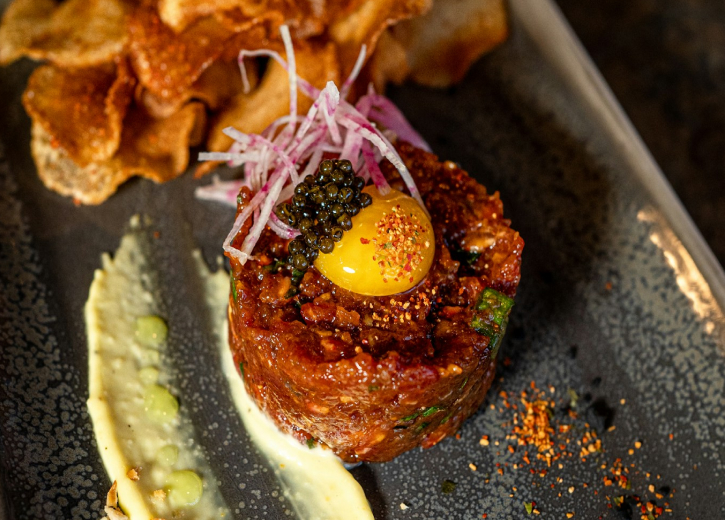
At Aurora Queen Resort, our AQ Restaurant serves a Nordic menu rooted in locally sourced Lapland ingredients, offering guests a genuine taste of the region’s food culture in a relaxed and elegant setting. The menu reflects the same philosophy that runs through Finnish cooking as a whole: let the quality of the ingredient lead, keep preparation honest, and let the landscape speak through the food. Guests staying in our unique glass igloo accommodation can enjoy this dining experience as part of a wider Lapland stay.
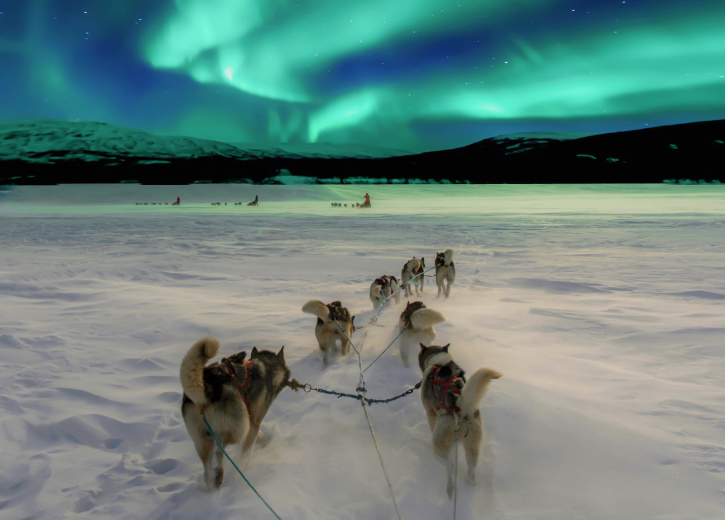
Beyond restaurant dining, Lapland offers food experiences that are embedded in its activity culture. A visit to a reindeer farm often includes a chance to taste traditional Sami-influenced food prepared over an open fire. Ice fishing and other Lapland activities frequently end with freshly caught fish cooked on the spot. These moments, where food and experience are completely intertwined, offer some of the most memorable and authentic encounters with Finnish food culture that any visitor can have. Those interested in planning their visit can check availability and book their Aurora Queen Resort stay to experience these culinary traditions firsthand.