
During a traditional Finnish sauna, your heart rate rises, blood vessels widen, you sweat heavily, and your muscles loosen while your stress response eases. The body treats the heat as a mild, controlled form of exercise. Most healthy adults tolerate it very well, especially when they pair short heat rounds with cooling breaks and plenty of water. Here is what happens inside your body, step by step, and how to enjoy it safely.
How does heat change your heart rate and circulation?
Heat makes your heart beat faster and your blood vessels widen. In a traditional Finnish sauna at roughly 70 to 90 °C, your resting heart rate can climb noticeably, and blood flow shifts toward the skin to release heat. Together, these changes resemble light to moderate exercise.
When hot air and löyly (the burst of steam from water thrown on the stones) reach your skin, your body works to keep its core temperature steady. Blood vessels near the surface dilate, which is why your skin turns pink and feels warm. Your heart pumps more blood per minute to support this, so your pulse speeds up, often in a way many people compare to a brisk walk.
Once you step out and cool down, the process reverses. Vessels narrow again, heart rate settles, and many people notice a calm, heavy-limbed relaxation. This rhythm of warming and cooling is one reason sauna and heart rate are so often discussed together in health research. Studies on regular sauna bathing in Finland suggest links with cardiovascular wellbeing, though sauna is not a substitute for medical care or exercise.
Why do you sweat so much and what does it do?
You sweat in a sauna because sweating is your body’s main cooling system. As the air heats your skin, thousands of sweat glands release moisture, and its evaporation carries heat away. Sweating mainly regulates temperature, and it also cleanses the skin surface.
A sauna session can cause you to lose a surprising amount of fluid, so hydration matters. Sweat is mostly water, with small amounts of salts and minerals. The idea that sweating flushes large amounts of toxins from the body is popular but overstated; your kidneys and liver do the real detoxifying work. What sweat does do well is open and rinse the pores, leaving skin feeling clean and soft.
Because you lose fluid, drink water before and after your session, and keep a glass nearby between rounds. Alcohol and a sauna do not mix well, since both can dehydrate you and strain your circulation.
What happens to muscles, joints and stress levels?
Sauna heat relaxes tight muscles, eases joint stiffness, and lowers perceived stress. Warmth increases blood flow to muscle tissue and makes connective tissue more pliable, so aches soften. At the same time, the quiet, screen-free setting helps your nervous system shift toward rest.
This is why many Finns reach for the sauna after a long day outdoors, whether skiing, hiking, or working. The heat can ease the feeling of sore muscles and stiff joints, which is a big part of the sauna health benefits people describe. Research suggests that regular sauna bathing may also support better sleep and a sense of wellbeing, though individual results vary.
The mental side of the heat
Finnish sauna culture treats the sauna as a place of silence and calm. Heat triggers the release of feel-good chemicals such as endorphins, and the absence of phones and noise lets your mind slow down. Many people find this is the most valuable effect of all.
Why timing matters
Short rounds of 10 to 15 minutes, followed by cooling and rest, tend to feel better than one long, exhausting stay. Listen to your body, and leave whenever you feel dizzy or uncomfortable.
What does a cold plunge do after the sauna?
A sauna cold plunge rapidly cools your body, narrows your blood vessels, and leaves you feeling alert and refreshed. In Finland, people may dip into an avanto (a hole cut in the ice) or roll in fresh snow. The sharp contrast completes the heat and cold cycle.
When cold hits your skin, vessels constrict and your breathing quickens for a moment. Once you warm up again, many people feel a tingling glow and a lift in mood. The contrast is also what makes the next round of heat feel so pleasant.
You do not need an ice hole to benefit. A cool shower, a roll in snow, or simply stepping outside into crisp Arctic air works well. Start gently, keep your cold exposure short, and never plunge if you feel unwell. Cold water places sudden demands on the heart, so avoid it if you have cardiovascular concerns and have not discussed it with your doctor.
Who should be careful in a traditional Finnish sauna?
People with heart conditions, uncontrolled blood pressure, or an acute illness, or who are pregnant, should talk to a doctor before using a traditional sauna. Children, older adults, and anyone who has been drinking alcohol also need extra care. Heat puts real demands on your circulation, so sauna safety starts with knowing your own limits.
These simple habits keep the experience safe and enjoyable:
- Drink water before and after your session.
- Avoid alcohol before or during sauna use.
- Keep rounds short, especially if you are new to sauna.
- Sit on a lower bench if the upper bench feels too hot.
- Leave at once if you feel dizzy, nauseous, or short of breath.
- Skip the sauna if you have a fever or feel unwell.
Children are welcome in Finnish saunas in many families, but they overheat faster than adults and should stay on lower benches for short periods. If you have any medical concerns, a quick conversation with your doctor before your trip is the wisest step.
What is the best way to enjoy a sauna in Lapland?
The best way to enjoy a Lapland sauna is to take it slowly: heat for 10 to 15 minutes, cool down outside, rest, hydrate, and repeat two or three times. Add a quiet moment under the winter sky, and let the contrast between hot and cold do the work.
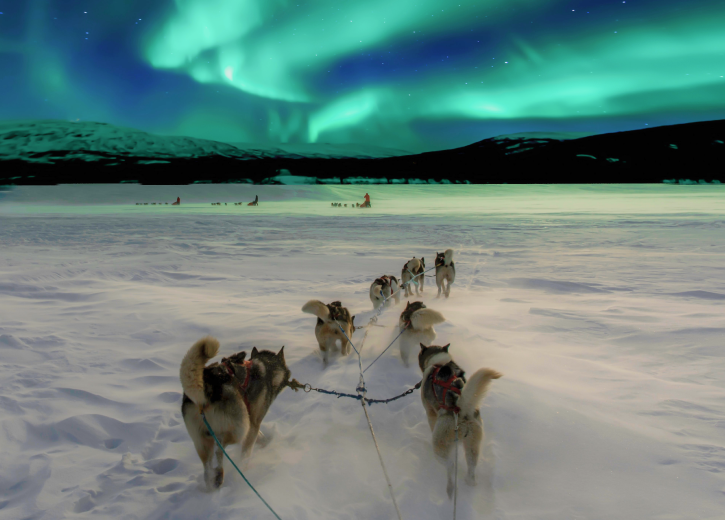
Few settings suit this ritual as well as Finnish Lapland in winter. Snow-laden forest, deep silence, and clean air make each cooling break part of the experience. On clear nights, you might even step out and find the northern lights glowing above the trees.
This winter, we are introducing our brand-new private sauna at Aurora Queen Resort in Saariselkä. It sits in a secluded spot near our igloos, with views of the snowy forest, and it comes with an outdoor jacuzzi, both heated sustainably with geothermal energy. We designed it to blend luxury with authenticity. A private session costs 225 € for two people for two hours, with an extra 35 € per additional guest, up to six people. Towels, bathrobes, and mineral water are included, and you simply tell us if you would like to reserve a time for your private sauna.
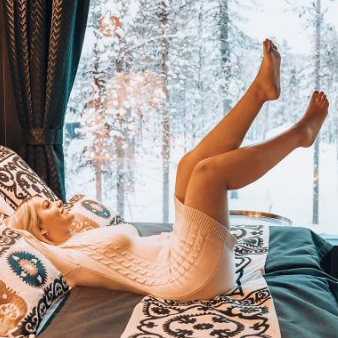
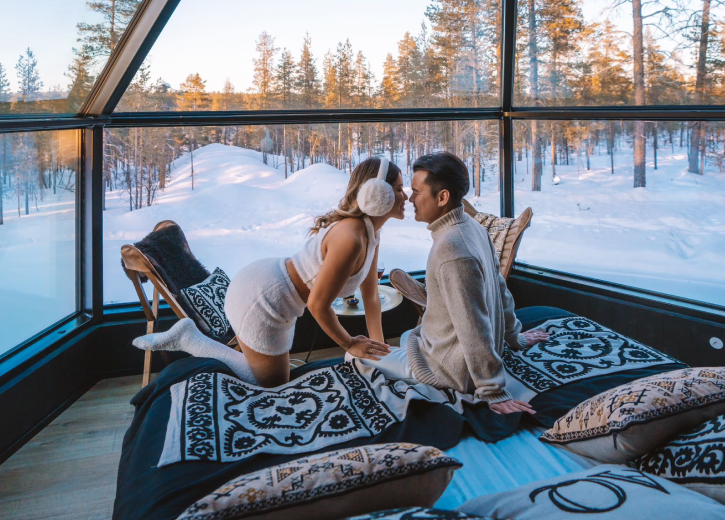
After your session, a night in one of our glass igloos for a cozy stay is a fitting way to finish the day. Lying warm and relaxed in bed, watching the Arctic sky through the glass ceiling, feels like a natural continuation of the sauna’s calm. Whatever way you choose to enjoy the heat, remember the heart of the tradition: go slowly, listen to your body, and let the silence of the north do the rest.