
For winter sports in Lapland, you need thermal base layers, insulating mid-layers, a windproof and waterproof outer shell, and activity-specific footwear rated for temperatures that can drop well below freezing. The right gear is not just about comfort — in Arctic conditions, it is a genuine safety consideration. This article walks through everything you need to know, from layering systems to rental options.
What clothing layers do you need for Lapland winter activities?
Lapland winter activities require a three-layer clothing system: a moisture-wicking base layer, a thermally insulating mid-layer, and a windproof, waterproof outer shell. This combination keeps you warm and dry across a wide range of temperatures and activity intensities, and it is the single most important principle behind dressing for Arctic winter sports.
Base layer: managing moisture
Your base layer sits directly against your skin, and its job is to pull sweat away from your body. Merino wool is widely considered the best material for this purpose in cold climates because it regulates temperature naturally, resists odour, and stays warm even when slightly damp. Synthetic alternatives like polyester work well too and tend to dry faster. Avoid cotton entirely — it absorbs moisture and holds it against your skin, which can cause rapid heat loss in freezing conditions.
Mid-layer: trapping warmth
The mid-layer is your primary source of insulation. A fleece jacket or a down-filled gilet works well for most Lapland winter activities. Down is exceptionally warm for its weight, making it ideal for low-intensity winter activities like reindeer sleigh rides or ice fishing, where you are not generating much body heat. For higher-intensity activities like cross-country skiing, a lighter fleece mid-layer gives you more flexibility to regulate temperature as you warm up.
Outer shell: blocking wind and moisture
The outer layer needs to be both windproof and waterproof, since Arctic conditions often combine sub-zero temperatures with wind chill and snowfall. A good ski jacket and salopettes (waterproof trousers) are the standard choice. Look for sealed seams and a high wind-resistance rating. Many resorts and activity providers in Lapland offer thermal overalls as part of guided excursions, which can supplement or replace your own outer layer for specific activities.
What footwear is best for winter sports in Lapland?
The best footwear for winter sports in Lapland is insulated, waterproof winter boots rated to at least minus 30 degrees Celsius, with a grippy rubber sole designed for icy surfaces. Standard hiking boots or fashion snow boots are not sufficient — Lapland temperatures regularly fall well below minus 20°C, and wet or poorly insulated feet become uncomfortable and potentially dangerous very quickly.
Look for boots with a thick insulating layer, such as Thinsulate or felt lining, and a sole with deep lugs for traction on compacted snow and ice. Brands that specialise in Nordic or Arctic footwear tend to design soles that remain flexible at very low temperatures, which standard rubber soles do not always do. Wool or thermal socks are essential companions — two thin pairs are often better than one thick pair, as the air trapped between layers adds insulation.
For cross-country skiing, you will need specific cross-country ski boots that clip into your binding system. These are a separate category from general winter boots and are almost always available to rent at ski centres in the region, so you do not need to purchase them for a short trip.
Do you need special gear for husky safaris and reindeer sleigh rides?
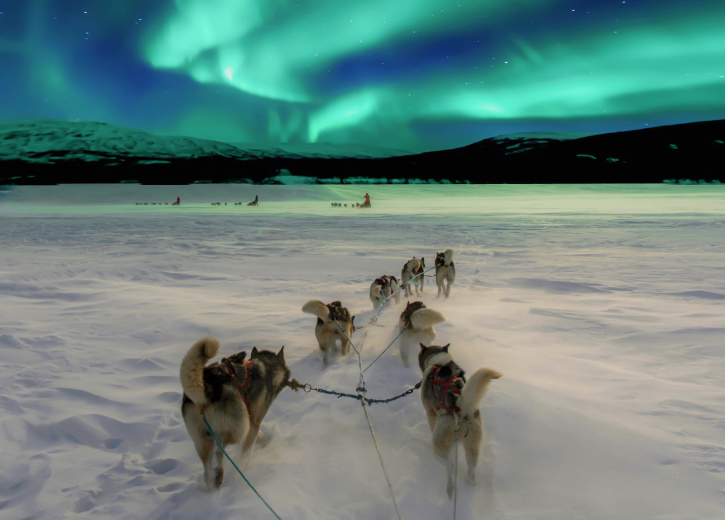
For husky safaris and reindeer sleigh rides, you do not need to bring highly specialised gear, but you do need to dress for extended exposure to cold at low activity levels. These experiences involve standing or sitting outdoors for long periods, often in open terrain with wind chill, which means warmth takes priority over breathability.
Most reputable Lapland activity providers supply thermal overalls and sometimes boots as part of the experience, which adds a significant layer of warmth over your own clothing. Even so, wearing your full three-layer system underneath is strongly recommended. Pay particular attention to your hands, feet, and face, since these extremities lose heat fastest when you are not physically active.
For husky safaris specifically, you may be driving your own sled for part of the excursion, which means gripping handles in the cold. Thick, waterproof mittens rather than gloves are preferable here, as mittens keep fingers together and retain heat far more effectively. Gloves give you more dexterity but sacrifice warmth — a trade-off that rarely makes sense in deep Arctic temperatures.
At Aurora Queen Resort, our guided husky safari and reindeer farm excursions include briefings on what to wear, and we always ensure guests are properly equipped before heading out into the wilderness.
What equipment do you need for cross-country skiing in Lapland?
For cross-country skiing in Lapland, you need cross-country skis, poles, and ski boots that fit your binding system. Beyond equipment, you need clothing that allows freedom of movement and manages moisture effectively, since cross-country skiing is aerobically demanding and generates significant body heat even in sub-zero temperatures.
Cross-country skiing is one of the more physically active winter sports available in Lapland, which changes the clothing calculation considerably. You will likely overheat in the same outfit that keeps you comfortable on a reindeer sleigh ride. A lighter mid-layer, or even just a base layer and shell jacket, is often more appropriate. The key is to dress slightly cooler than you think you need to at the start, since you will warm up quickly once moving.
In terms of ski selection, classic cross-country skis are the standard choice for beginners and recreational skiers on groomed trails. They are longer and narrower than alpine skis, designed for a forward-striding motion rather than downhill carving. Skate skis are an alternative for more experienced skiers and require a different technique. If you are new to the sport, classic skis on maintained trails are the most accessible starting point.
How should you protect your face and extremities in Arctic temperatures?
In Arctic temperatures, you should protect your face with a balaclava or neck gaiter that covers your nose and cheeks, wear insulated mittens or gloves with a waterproof outer layer, and use thermal socks inside well-insulated boots. Extremities and exposed facial skin are the first areas affected by frostbite, so this protection is not optional — it is essential.
A balaclava that covers the full face except the eyes offers the most comprehensive protection in extreme cold. A neck gaiter pulled up over the nose is a more flexible alternative that works well in milder sub-zero conditions. Ski goggles protect your eyes from wind, glare, and blowing snow, and are particularly important for faster activities like snowmobiling or skiing.
For hands, the choice between mittens and gloves comes down to the activity. Mittens are significantly warmer because fingers share body heat. Gloves are better when you need dexterity, for example when handling camera equipment or adjusting gear. A practical solution is to wear thin liner gloves underneath waterproof outer mittens, giving you the option to remove the mittens briefly without full exposure.
Foot care deserves special attention. Cold feet are one of the most common discomforts reported by visitors to Finnish Lapland. Toe warmers — small disposable heat packs that slip inside your boots — are an inexpensive and effective backup for particularly cold days or long outdoor excursions. Make sure your boots are not laced too tightly, as restricted circulation makes feet cold faster.
Can you rent winter sports gear in Lapland instead of bringing your own?
Yes, you can rent most winter sports gear in Lapland, including skis, boots, poles, snowshoes, and thermal overalls. Rental equipment is widely available at ski centres and activity providers throughout the region, making it practical to travel light and hire what you need on arrival.
Renting is a sensible option for equipment that is bulky, expensive, or activity-specific, such as cross-country skis or snowshoes. It also makes sense for items you are unlikely to use outside of this trip. The quality of rental gear at established Lapland activity providers is generally reliable, and staff can help you select the right size and specification for your needs.
However, certain items are worth bringing from home rather than renting. Personal clothing layers, thermal underwear, socks, and footwear are more hygienic and more likely to fit well when they are your own. Mittens, balaclavas, and goggles are also inexpensive to purchase and highly personal in terms of fit and comfort. A good rule of thumb is to rent the hardware and bring the clothing.
If you are unsure what is available to rent at your specific destination, it is always worth contacting your accommodation or activity provider in advance. We are happy to advise guests on exactly what gear is supplied with our excursions and what to bring from home, so you can check available packages and book your stay and arrive ready to enjoy every moment of your Lapland winter adventure. Guests staying in our unique Aurora Queen igloo accommodation will find full guidance on what to pack included with their booking.