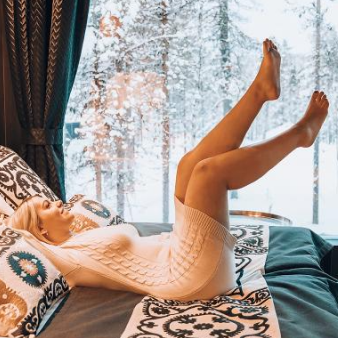

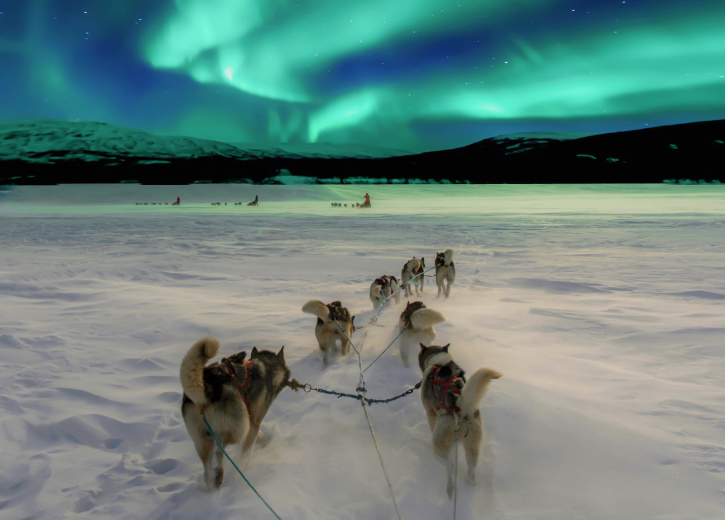
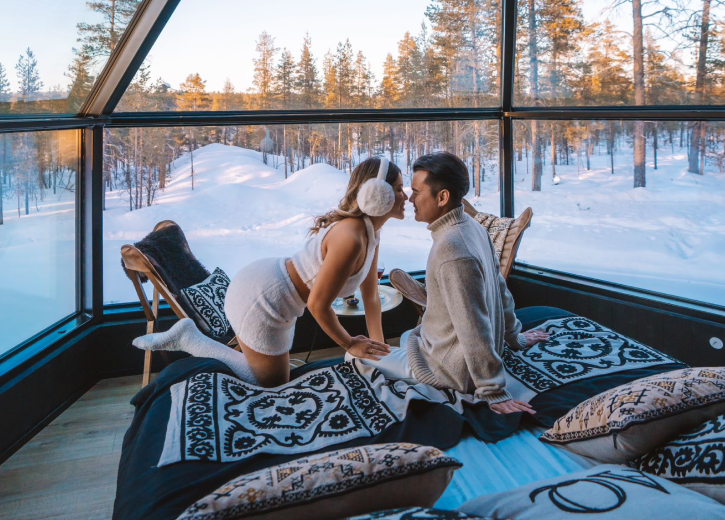
From a glass igloo at night, you can observe the northern lights dancing across the sky, countless stars forming brilliant constellations, the moon casting ethereal light through transparent ceilings, and the occasional shooting star streaking through the darkness. The unobstructed 360-degree view through glass walls and ceilings creates an immersive celestial theater where nature’s most spectacular nighttime displays unfold directly above your bed.
Poor timing ruins even the most expensive aurora-viewing experience
Many travelers spend thousands on glass igloo accommodations only to stare at cloudy skies or arrive during aurora-inactive periods, missing the northern lights entirely. This disappointment stems from booking without understanding the optimal viewing season or checking aurora forecasts. Plan your stay between September and March, when nights are darkest; monitor aurora activity predictions; and book flexible dates that allow you to extend your visit if conditions improve.
Light pollution from nearby cities steals the magic from your night-sky experience
Urban glow can wash out faint auroras and dim star visibility, turning your premium glass igloo stay into a mediocre stargazing experience. This problem affects accommodations near populated areas or those not located in properly dark-sky areas. Choose glass igloos situated in remote northern regions like Lapland, where minimal artificial lighting preserves the natural darkness essential for witnessing the full intensity of celestial phenomena.
What makes glass igloos perfect for night-sky viewing?
Glass igloos feature transparent ceilings and walls that eliminate visual barriers between you and the night sky while maintaining comfortable indoor temperatures. This design allows uninterrupted 360-degree viewing of celestial events without exposure to harsh Arctic conditions.
The heated glass panels prevent condensation and ice formation that would otherwise obstruct your view. Advanced thermal glass technology maintains clear visibility even when outside temperatures drop to minus 30 degrees Celsius. Panoramic windows extend from floor to ceiling, creating an immersive experience where the boundary between indoor comfort and outdoor wilderness disappears.
Strategic positioning away from artificial light sources enhances the viewing experience. Quality glass igloo accommodation options are located in areas with minimal light pollution, allowing your eyes to adjust to natural darkness and perceive fainter celestial phenomena, such as distant galaxies and nebulae, that remain invisible in urban environments.
Can you really see the northern lights from inside a glass igloo?
Yes, you can clearly see the northern lights from inside a glass igloo when aurora activity occurs. The transparent ceiling provides an unobstructed view of the entire sky dome, allowing you to witness the full scope of aurora displays while staying warm and comfortable indoors.
Aurora borealis appears as dancing curtains of green, purple, and sometimes red light that move across the sky in flowing patterns. From a glass igloo, you can experience these displays without the discomfort of standing outside in freezing temperatures for hours. The heated environment allows extended observation periods, increasing your chances of witnessing the complete aurora cycle from initial appearance to peak intensity.
The key factor is aurora activity strength, measured on the Kp index scale from 0 to 9. Even moderate activity levels between Kp 3 and 5 produce visible auroras in dark-sky locations like northern Finland. Glass igloos positioned in optimal viewing areas provide front-row seats to this natural light show, with the aurora often appearing directly overhead through the transparent ceiling.
What other celestial phenomena can you observe from glass igloos?
Beyond the northern lights, glass igloos offer exceptional viewing of constellations, shooting stars, satellites, the International Space Station, and seasonal meteor showers. The dark Arctic skies reveal celestial objects that are invisible in most populated areas.
Winter constellations appear with remarkable clarity through glass ceilings. Orion, Cassiopeia, and the Big Dipper shine brilliantly against the black sky, while the Milky Way stretches across the dome in a luminous band during moonless nights. The lack of atmospheric distortion in cold, dry Arctic air creates unusually sharp stellar images.
Meteor showers provide spectacular displays throughout the year. The Geminids in December and the Perseids in August produce dozens of shooting stars per hour, visible as bright streaks racing across the sky. Satellites appear as steady points of light moving slowly between stars, while the International Space Station looks like a brilliant moving star and can be visible for several minutes during favorable passes.
Planetary observations become memorable experiences when Venus, Jupiter, or Mars appear as bright points of light. During the winter months, these planets often shine with exceptional brilliance in the clear Arctic atmosphere, creating stunning photographic opportunities through the glass ceiling.
How does the Arctic environment affect nighttime visibility?
Arctic conditions enhance nighttime visibility through exceptionally clear, dry air with minimal atmospheric distortion, extended periods of darkness during the winter months, and an absence of light pollution in remote locations.
The cold, dry Arctic atmosphere contains less water vapor and fewer atmospheric particles that typically scatter light and reduce clarity in warmer climates. This creates remarkably sharp views of stars and other celestial objects, with minimal twinkling that often obscures details in more temperate regions.
Extended darkness during the Arctic winter provides optimal viewing conditions. From November through January, locations in northern Finland experience only a few hours of twilight each day, creating nearly 20 hours of true darkness—perfect for astronomical observation. This extended night allows comprehensive skywatching without rushing to observe specific phenomena during brief dark periods.
Snow-covered landscapes can actually enhance visibility by providing natural light reflection that illuminates the immediate surroundings without creating glare. The white surface reflects moonlight and starlight, creating a gentle ambient glow that helps your eyes maintain dark adaptation while still allowing you to navigate safely around your accommodation.
What’s the best time of night to watch the sky from a glass igloo?
The optimal viewing time is between 9 p.m. and 2 a.m., when the sky reaches maximum darkness and aurora activity typically peaks. This window provides the darkest conditions and the highest probability of witnessing the northern lights and other celestial phenomena.
Aurora activity follows predictable patterns, with peak intensity often occurring between 10 p.m. and midnight. During this time frame, the Earth’s magnetic field interacts most strongly with solar wind particles, creating the brightest and most dynamic aurora displays. However, significant activity can begin as early as 8 p.m. and continue until 3 a.m. during high-activity periods.
Moon phases significantly affect viewing conditions for different phenomena. New-moon periods offer the darkest skies, ideal for observing faint stars, galaxies, and meteor showers. Conversely, full-moon nights provide excellent conditions for aurora photography, as moonlight illuminates the landscape while still allowing bright auroras to remain visible.
Weather patterns in the Arctic can change rapidly, making flexibility essential for optimal viewing. Clear skies may develop suddenly after cloudy periods, while aurora forecasts can shift within hours based on solar activity. The comfort of Aurora Queen Resort’s glass igloo accommodation at The Igloos allows you to monitor conditions continuously and take advantage of unexpected clear spells without exposure to harsh outdoor temperatures.
Book Your Glass Igloo Adventure Today
Don’t miss your chance to experience the magic of the northern lights and Arctic night sky from the comfort of a luxury glass igloo. Aurora Queen Resort offers the perfect combination of premium accommodations and optimal viewing conditions in the pristine wilderness of Lapland.
Book your unforgettable holiday and secure your front-row seat to nature’s most spectacular light show. Our glass igloos provide unparalleled views of the Aurora Borealis while keeping you warm and comfortable throughout the night. Create memories that will last a lifetime under the dancing lights of the Arctic sky.