
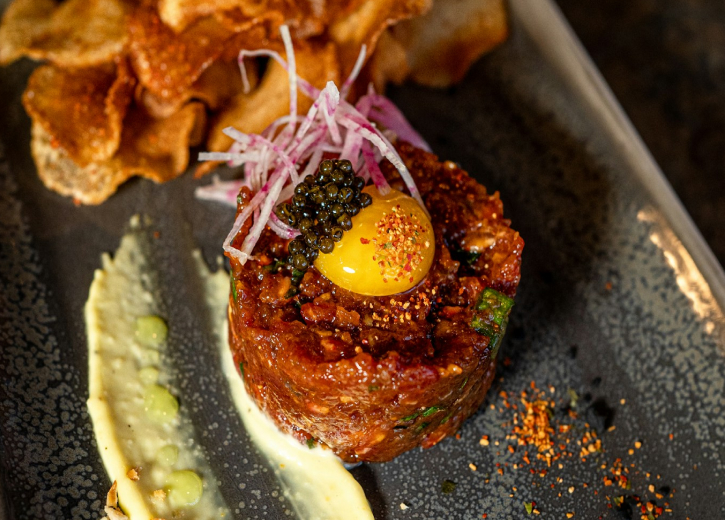


Finnish cuisine is built on a handful of truly iconic dishes: rye bread, salmon soup, Karelian pasties, reindeer, and meatballs are among the most celebrated. These are foods shaped by a cold climate, vast forests, and a deep respect for natural ingredients. Whether you are visiting Finland for the first time or simply curious about Nordic food culture, this guide walks through the most essential Finnish dishes, regional Lapland specialities, sweet treats, and traditional drinks worth exploring.
What makes Finnish cuisine unique compared to other Nordic food?
Finnish cuisine stands apart from other Nordic food traditions through its strong emphasis on foraged and wild ingredients, its use of rye as a dietary staple, and its deep connection to the land and seasons. Where Swedish or Danish cooking often leans toward elaborate preparation, Finnish food tends to celebrate simplicity and raw, natural flavour above all else.
The Finnish landscape directly shapes what ends up on the plate. Vast boreal forests provide wild mushrooms, lingonberries, cloudberries, and bilberries. Lakes and rivers supply freshwater fish such as perch, pike, and whitefish. The short but intense summer growing season means ingredients are used with real intention, often preserved through smoking, salting, or fermenting to last through the long winter months.
Rye bread, known as ruisleipä, is perhaps the most defining element of Finnish food culture. Dense, dark, and slightly sour, it is eaten at virtually every meal and reflects a practical, nourishing approach to cooking that has sustained Finns through centuries of harsh winters. This practicality runs through the entire cuisine: Finnish food is not showy, but it is deeply satisfying and honest in its flavours.
Another distinguishing feature is the role of dairy. Finland has one of the highest per capita dairy consumption rates in the world, and this shows in the cuisine. Butter, cream, and fermented milk products appear across both savoury and sweet dishes, adding richness and depth in a way that feels distinctly Finnish rather than broadly Scandinavian.
What are the most iconic traditional Finnish dishes?
The most iconic traditional Finnish dishes include lohikeitto (salmon soup), karjalanpiirakka (Karelian pasties), lihapullat (Finnish meatballs), smoked fish, and rye bread. These dishes represent the core of Finnish food identity and appear on tables across the country, from home kitchens to restaurant menus.
Lohikeitto: Finnish salmon soup
Lohikeitto is a creamy salmon and potato soup made with leeks, dill, and a generous pour of cream. It is warming, filling, and deeply comforting, making it a natural fit for cold weather. Unlike many fish soups found elsewhere in Europe, the Finnish version is mild and dairy-rich rather than tomato-based or heavily spiced. It is one of the most beloved Finnish dishes and a genuine introduction to the country’s flavour palette.
Karjalanpiirakka: Karelian pasties
Karelian pasties are thin rye-crust pastries filled with rice porridge or mashed potato, baked until slightly crisp at the edges, and traditionally served with a topping of butter mixed with hard-boiled egg, known as munavoi. They originate from the Karelia region in eastern Finland and are now considered a national icon. They are sold in virtually every Finnish supermarket and bakery and are one of the few Finnish foods with protected geographical indication status in the European Union.
Finnish meatballs and smoked fish
Finnish meatballs, lihapullat, differ from their Swedish counterparts in that they are typically seasoned more simply and served with creamy gravy, boiled potatoes, and lingonberry jam. The combination of savoury meat, tart berries, and starchy potato is a recurring theme in Finnish cooking. Smoked fish, particularly smoked salmon and smoked whitefish, is equally iconic. Finland’s smoking tradition is ancient, and the result is a deep, clean flavour that pairs naturally with rye bread and fresh dill.
What traditional Finnish foods can you try in Lapland specifically?
In Lapland, the most distinctive traditional Finnish foods revolve around reindeer, freshwater fish, and foraged Arctic ingredients. Reindeer meat in particular is central to Lappish food culture and appears in forms rarely found elsewhere in Finland, from stews to dried cuts served as trail food.
Poronkäristys, or sautéed reindeer, is the signature dish of Finnish Lapland. Thin slices of reindeer meat are slowly sautéed in butter until tender, then served with mashed potatoes and lingonberry jam. The flavour is rich and slightly gamey in the best possible way, with a depth that reflects the reindeer’s natural Arctic diet of lichen and moss. It is a dish that genuinely tastes of the landscape it comes from.
Freshwater fish plays an equally important role. Arctic char, whitefish, and grayling are all native to Lapland’s rivers and lakes, and they appear smoked, grilled, or baked in traditional preparations. Ice fishing is a living tradition here, and fish caught through the ice in midwinter is often cooked simply over an open fire, seasoned with little more than salt.
Foraged ingredients add another layer of distinctiveness to Lappish cooking. Cloudberries, known in Finnish as lakka, grow in the Arctic bogs of Lapland and are considered a true northern delicacy. Their flavour is tart, complex, and unlike any other berry, and they appear in jams, sauces, and desserts throughout the region. Wild mushrooms, particularly funnel chanterelles and porcini, are also widely foraged and used in warming autumn dishes.
When we welcome guests at Aurora Queen Resort in Saariselkä, our AQ Restaurant reflects exactly this regional philosophy. The Nordic menu is rooted in locally sourced ingredients and Arctic activities, bringing the flavours of Lapland directly to the table in a setting surrounded by Arctic wilderness.
What Finnish desserts and sweet treats are worth trying?
Finnish desserts worth trying include laskiaispulla (cardamom cream buns), mustikkapiirakka (blueberry pie), cloudberry jam, and korvapuusti (cinnamon rolls). Finnish sweet baking is deeply tied to the spice cardamom, which gives many traditional pastries their distinctive warm, floral aroma.
Korvapuusti, the Finnish cinnamon roll, is a national obsession. Unlike the soft, frosted American version, the Finnish roll is made with a cardamom-spiced dough, shaped into a distinctive ear-like twist, and topped with pearl sugar rather than icing. The result is a slightly denser, more aromatic pastry that pairs perfectly with coffee, which Finns consume in greater quantities per capita than almost any other nation on earth.
Blueberry pie, mustikkapiirakka, is another beloved Finnish dessert. Made with wild bilberries rather than the larger cultivated blueberries common elsewhere, it has a more intense, slightly tart flavour. It is typically baked with a buttery shortcrust base and served warm with vanilla sauce or whipped cream. The use of wild berries rather than farmed ones is a detail that speaks to the broader Finnish relationship with the natural world.
Cloudberry jam deserves special mention as a Lapland-specific treat. Served alongside cheese, drizzled over ice cream, or simply spread on rye bread, it is a flavour that many visitors describe as one of the most memorable things they tasted during their time in northern Finland. The berries are difficult to cultivate and must be hand-picked, which makes them genuinely precious and worth seeking out.
What should you drink alongside traditional Finnish food?
The most traditional drinks to accompany Finnish food are coffee, milk, and sima (a lightly fermented lemon mead). Finland is one of the world’s leading coffee-consuming countries, and coffee is considered the natural companion to almost any meal or snack, from a simple rye bread lunch to a full dinner spread.
For something more celebratory, Finnish craft beer has grown significantly over the past decade, with many small breweries producing ales and lagers that pair well with smoked fish and hearty meat dishes. Finnish vodka and berry liqueurs are also worth exploring. Lakkalikööri, a cloudberry liqueur, is a particularly distinctive Finnish spirit with a golden colour and a sweet-tart flavour that captures the essence of the Arctic berry perfectly.
Sima is a traditional fermented drink made from lemons, sugar, and yeast, typically prepared in early spring to celebrate the arrival of May Day. It is lightly fizzy, mildly sweet, and only very slightly alcoholic, making it a family-friendly option that has been part of Finnish food culture for centuries.
For those visiting Lapland, the pairing of a warming drink with the cold night air is part of the experience. A glass of cloudberry liqueur or a well-made Nordic cocktail enjoyed while watching the Northern Lights overhead is one of those moments that stays with you long after the trip ends. At Aurora Queen Resort, our Lounge Bar offers fine wines, handcrafted cocktails, and premium spirits in exactly that spirit, providing the perfect complement to an evening spent under the Arctic sky in our unique Arctic glass igloos, where you can check availability and book your stay.