Finland’s best places to visit in 2026 include Lapland for northern lights and wilderness experiences, Helsinki for urban culture, the Finnish Lakeland for summer cottages and boating, and the Archipelago for coastal beauty. Each region offers unique seasonal attractions, from winter snow activities to summer midnight sun experiences. For 2026, Finland’s continued focus on sustainable tourism and preservation of natural landscapes makes it an ideal destination for nature lovers, adventure seekers and cultural enthusiasts alike.
What are the must-visit destinations in Finland for 2026?
The must-visit destinations in Finland for 2026 include Lapland in the north, Helsinki in the south, the Finnish Lakeland in the central region, and the coastal archipelago. Each offers distinct experiences that showcase Finland’s natural beauty, cultural heritage, and innovative urban environments that appeal to different traveller preferences.
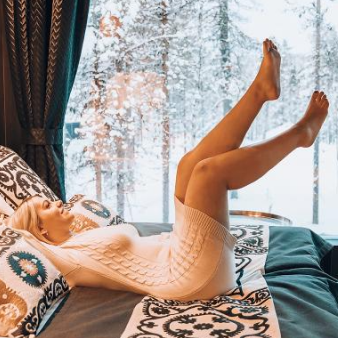
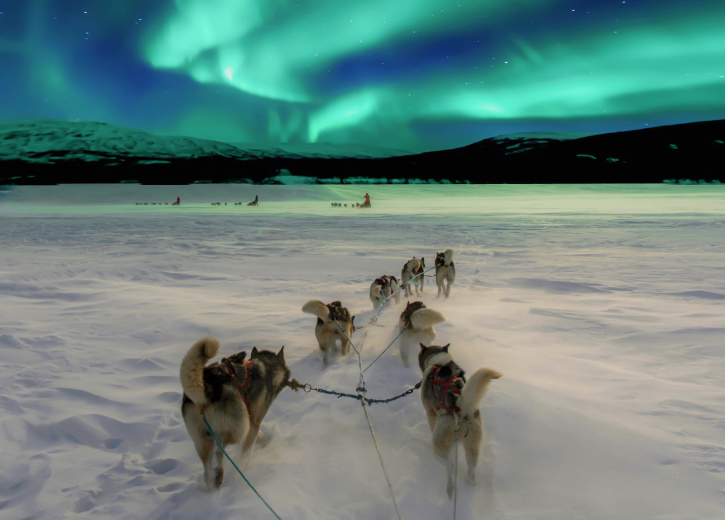
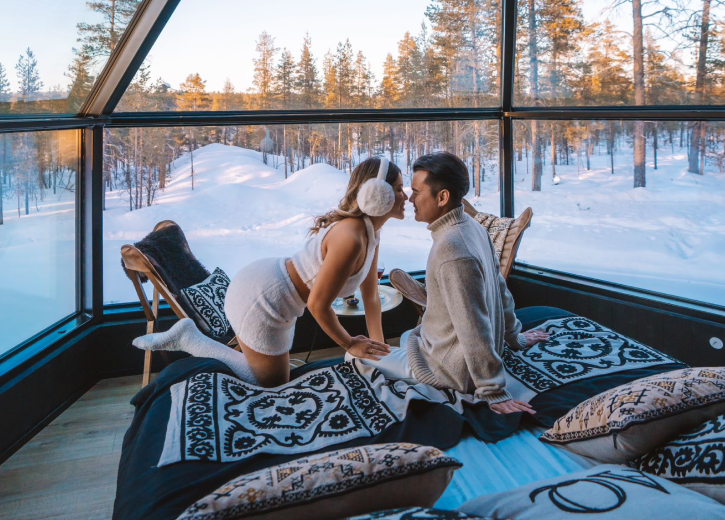
Lapland stands as Finland’s crown jewel for 2026 travellers seeking magical winter experiences. This northern wilderness region offers unparalleled opportunities to witness the northern lights dancing across star-filled skies. The pristine snow-covered landscapes provide the perfect backdrop for activities like husky sledding, snowmobiling, and meeting reindeer. Look for accommodation that allows you to fully immerse yourself in the aurora experience—glass-ceiling accommodations in places like Inari, Saariselkä, and Ivalo offer particularly memorable stays where you can watch the northern lights from the comfort of your bed.
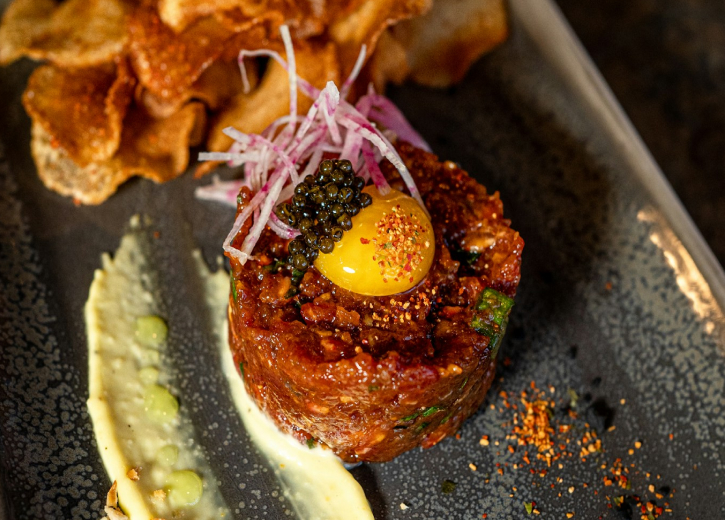
Helsinki continues to evolve as a design and culinary hotspot for 2026. The Finnish capital blends historical architecture with cutting-edge design, offering visitors access to world-class museums like Amos Rex and Oodi Library. The food scene has exploded with innovative restaurants focusing on locally sourced, seasonal ingredients. Don’t miss the seaside market square, the striking Temppeliaukio Church (carved from solid rock), and the UNESCO World Heritage Suomenlinna fortress island just a short ferry ride from the city centre.
The Finnish Lakeland region encompasses thousands of lakes that come alive especially during summer months. This breathtaking blue labyrinth of waters, islands, and forests offers opportunities for boating, fishing, and experiencing traditional Finnish sauna culture. Cities like Tampere, Jyväskylä, and Savonlinna (with its medieval Olavinlinna Castle) serve as excellent bases for exploring this region that truly captures the heart of Finnish identity.
Along the western and southern coasts, Finland’s archipelago presents a maritime wonderland with thousands of islands. The Åland Islands and Turku Archipelago offer cycling routes connecting islands via ferries, historic wooden towns, and coastal cuisine featuring fresh fish. The combination of sea breezes, rocky shores, and charming island communities makes this region particularly appealing for summer 2026 visits.
When is the best time to visit different regions of Finland?
The best time to visit Finland depends entirely on the region and experiences you seek. Northern Finland is ideal from September to March for aurora viewing, while summer brings the midnight sun. Southern and central Finland shine from May to September with warm weather and festivals. Coastal areas are most enjoyable in summer when archipelago activities are in full swing.
For northern Finland, the aurora season runs from late August through March, with peak viewing opportunities during the darkest winter months of December through February. These winter months also offer the quintessential snow activities like reindeer sleigh rides, ice fishing, and snowshoeing. The magical blue light of “kaamos” (polar night) in December and January creates an otherworldly atmosphere when the sun doesn’t rise above the horizon. Alternatively, visit in summer to experience the midnight sun phenomenon, when daylight extends for nearly 24 hours between June and early August.
Helsinki and southern Finland are most vibrant from May through September, when temperatures are pleasant (15-25°C) and daylight hours are long. August brings harvest season with markets full of berries and mushrooms, while June features Midsummer celebrations—a major Finnish holiday when cities empty as locals head to summer cottages. Winter in Helsinki has its own charm with Christmas markets and snow-covered streets, though temperatures can drop to -10°C or lower.
The Finnish Lakeland truly comes alive in summer (June-August) when Finns flock to their summer cottages. This is the perfect time for swimming in refreshingly clean lakes, midnight fishing trips, and authentic sauna experiences followed by a dip in the lake. Autumn (September-October) brings spectacular foliage as forests turn brilliant shades of yellow, orange and red—a photographer’s dream.
The coastal archipelago is most accessible from May through September when ferry connections operate at full capacity and island restaurants and accommodations are open. July and August offer the warmest sea temperatures (though still quite bracing by Mediterranean standards), making it suitable for swimming and water activities.
For those hoping to avoid crowds, consider shoulder seasons of May and September when you’ll find fewer tourists but still enjoy reasonable weather conditions throughout most of the country.
What unique experiences can you only have in northern Finland?
Northern Finland offers truly unique experiences unavailable elsewhere, including witnessing the aurora borealis from glass igloos, authentic Sami cultural immersion, reindeer herding adventures, and pristine wilderness exploration in national parks. The region’s extreme seasonal contrasts between winter darkness and summer midnight sun create once-in-a-lifetime experiences you simply can’t find elsewhere.
The northern lights experience in Finnish Lapland stands out globally for its reliable viewing conditions and exceptional accommodation options. While many northern destinations offer aurora viewing, northern Finland combines excellent infrastructure with wilderness settings. Staying in a glass-ceiling igloo provides the ultimate aurora experience—watching the green and purple lights dance across the sky from your warm bed. The unique silence of the snow-covered landscapes enhances this magical experience as you witness nature’s most spectacular light show.
Authentic Sami cultural experiences connect visitors with Europe’s only indigenous people. Through activities like visiting reindeer herder families, learning traditional handicrafts, and enjoying joik singing performances, you gain insight into this ancient Arctic culture. Many Sami families in villages like Inari and Utsjoki welcome visitors to learn about their traditional lifestyle that has adapted to modern times while maintaining deep connections to the land.
Wilderness adventures in northern Finland offer pristine experiences in some of Europe’s last wild frontiers. Urho Kekkonen National Park and Pallas-Yllästunturi National Park provide opportunities to spot wildlife including foxes, wolverines, golden eagles, and even the occasional bear—all while hiking through unspoiled landscapes. Multi-day wilderness hikes between traditional Finnish wilderness huts offer a true escape from modern life into landscapes untouched by industrial development.
The extreme seasonal contrasts create entirely different experiences throughout the year. Winter brings the polar night when the sun doesn’t rise for weeks, creating a mystical blue twilight perfect for snow adventures. Summer flips this completely with 24-hour daylight, allowing for midnight hiking, fishing, and photography under the golden light of the never-setting sun.
Traditional smoke saunas in northern settings represent the most authentic version of Finland’s sauna culture. These ancient-style saunas, heated for hours with wood and without a chimney, create a unique soft heat and aroma. The authentic northern experience includes cooling off between sauna sessions with a dip in an ice hole (avanto) cut into a frozen lake—an exhilarating practice that locals swear improves health and wellbeing.
How should you plan a multi-destination trip across Finland?
To plan an effective multi-destination trip across Finland, start with a logical geographical route, allocate 2-3 days per major destination, use efficient transportation options including trains and internal flights, and balance urban experiences with nature adventures. Consider seasonal factors when creating your itinerary and book accommodations well in advance, especially for northern destinations during aurora season.
Start by building a logical route based on Finland’s main regions. Most international flights arrive in Helsinki, making the capital a natural starting point. From there, consider whether you’ll head north to Lapland, west to the coastal areas, or east to the Lakeland region. A well-planned route might begin with 2-3 days in Helsinki, followed by a journey to central Finland’s lake districts, and culminating with the northern Lapland experience.
For transportation between regions, Finland offers excellent options. The national rail network connects major cities with comfortable, reliable trains—the Helsinki to Rovaniemi overnight train is particularly useful, allowing you to sleep while covering a substantial distance. For more remote locations or to save time, consider domestic flights operated by Finnair and Norse Atlantic Airways connecting Helsinki to northern cities like Rovaniemi, Kittilä, and Ivalo. Within cities, public transportation is efficient, while rental cars provide the most flexibility for exploring rural areas.
Time allocation is crucial for a satisfying experience. Aim for at least 2-3 nights in each major destination. Helsinki deserves 2-3 days to explore its design districts, museums, and nearby nature. The Lakeland region benefits from 3-4 days to experience both cultural sites and nature activities. For northern Finland, allocate at least 3-5 days to increase your chances of seeing the northern lights and experiencing the wilderness properly.
Creating a seasonal balance can enhance your journey. If visiting in winter, consider starting in Lapland for snow activities, then moving south where conditions are milder. Summer travellers might begin in Helsinki, then move to the lakes and archipelago when temperatures are ideal for swimming and boating.
Be mindful of accommodation availability, particularly in northern Finland during the peak aurora season (December-March) when unique accommodations like glass igloos often book out months in advance. Similarly, summer cottages in the lake region should be reserved early for the June-August high season.
Finally, build in flexibility for weather conditions, especially in winter when snow can occasionally affect transportation. Include some buffer time in your schedule and consider travel insurance that covers weather-related disruptions.
What are the hidden gems in Finland that most tourists miss?
Finland’s hidden gems include the wild eastern border region of Kainuu with its ancient forests, the pristine Bothnian Bay islands, the culturally rich North Karelia area, and secluded wilderness cabins accessible only by boat or foot. These off-the-beaten-path destinations offer authentic experiences with fewer tourists, pristine natural settings, and opportunities to experience genuine Finnish traditions.
The Kainuu region along the eastern border offers some of Finland’s most untouched wilderness and a glimpse into traditional lifestyles. The small town of Kuhmo hosts an internationally acclaimed Chamber Music Festival each July, creating a remarkable contrast of world-class culture in a remote setting. Nearby, Hossa National Park contains Finland’s oldest rock paintings at Värikallio, dating back 4,000 years. Wildlife enthusiasts can arrange photography excursions with local guides to spot bears, wolves and wolverines in their natural habitat near the Russian border.
In North Karelia, the UNESCO Biosphere Reserve of Lake Pielinen surrounds Koli National Park—offering Finland’s most iconic national landscapes from atop Ukko-Koli hill. Despite its cultural significance to Finnish identity, relatively few international tourists make it to this eastern gem. The area is also known for preserving Karelian culture, with distinctive architecture, cuisine, and handicraft traditions that differ from western Finland.
The Bothnian Bay islands along the western coast form a unique archipelago where the land is still rising from the sea due to post-glacial rebound—a phenomenon called “land uplift.” This creates new islands and constantly changing shorelines. The area offers serene kayaking routes between islands where you might camp on your own islet without seeing another person for days. The small town of Kalajoki features unusual inland sand dunes along its Hiekkasärkät (Sand Banks) area, providing a surprising beach experience far from the Mediterranean.
For a truly immersive Finnish experience, seek out wilderness cabins known as “erämökit” that are managed by Metsähallitus (Finnish Forest Administration). Many of these basic but comfortable cabins can only be reached by hiking, rowing, or skiing several kilometres into national parks. These cabins provide an authentic way to experience the Finnish tradition of self-sufficient wilderness travel, often with wood-heated saunas and no electricity. Locations like Teijo National Park offer these experiences just a few hours from Helsinki, yet remain surprisingly uncrowded.
The Åland Islands, while known to domestic tourists, remain overlooked by many international visitors despite their unique character. This autonomous, Swedish-speaking archipelago between Finland and Sweden offers distinctive culture, cuisine, and maritime heritage. Cycling between islands on dedicated ferry-connected routes provides a peaceful way to explore this unique corner of Finland where red granite shorelines meet the Baltic Sea.
For those seeking unique accommodation experiences beyond the well-known glass igloos, look for converted lighthouses, traditional timber farmsteads, and historic manors now operating as small guesthouses. These properties often combine historical character with local ownership, providing insight into Finnish heritage while supporting small communities outside the main tourist centres.
Ready to Experience the Magic of Finland? Book Your Aurora Adventure Now
After exploring the wonders Finland has to offer, why not turn your dreams into reality? The Aurora Queen Resort offers the perfect base for experiencing the breathtaking northern lights and Lapland’s magical wilderness. Their specially designed accommodations provide front-row seats to nature’s most spectacular light show, while experienced guides ensure you enjoy authentic Finnish experiences from husky sledding to traditional saunas.
Whether you’re planning a winter adventure to chase the aurora borealis or a summer escape under the midnight sun, now is the ideal time to secure your Finnish getaway. The most unique accommodations book up months in advance, especially during peak aurora season.
Take the first step toward your unforgettable Finnish journey today. Click here to book your stay at Aurora Queen Resort and prepare for the adventure of a lifetime in Finland’s enchanting north.