There’s something utterly magical about lying in bed, gazing up at the dancing lights of the aurora borealis through a crystal-clear glass dome. The experience of sleeping under the stars in a glass igloo has become one of the most sought-after winter adventures for travellers visiting Finnish Lapland. This unique accommodation concept perfectly combines the primal desire to connect with nature with modern comforts that keep you warm and cosy in sub-zero temperatures. The glass igloo phenomenon has revolutionised how we experience the northern wilderness, offering a front-row seat to one of nature’s most spectacular shows without sacrificing comfort.
Whether you’re planning your first journey to witness the northern lights or you’re a seasoned aurora chaser looking for a new perspective, understanding what makes glass igloos so special can help you appreciate this remarkable experience even more. In this guide, we’ll explore the science behind the northern lights, the ingenious design of glass igloos, why Finnish Lapland offers ideal conditions for this experience, and how to make the most of your stay under the celestial dome.
The phenomenon behind the magic: Understanding the northern lights
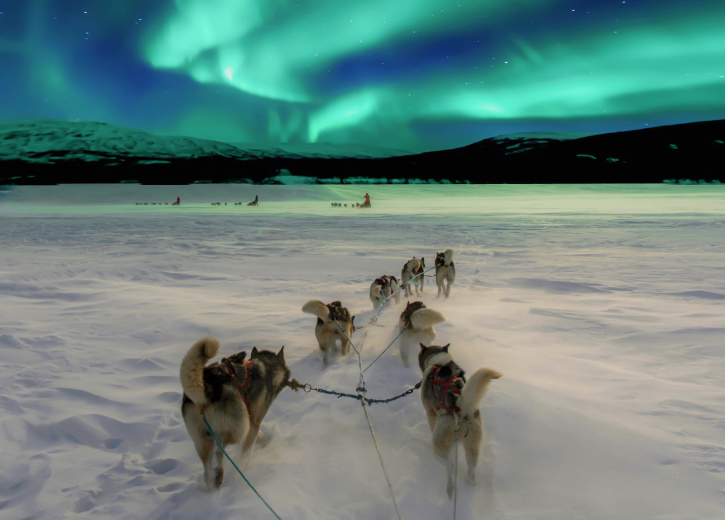
The aurora borealis, commonly known as the northern lights, represents one of nature’s most breathtaking spectacles. This celestial dance of lights occurs when charged particles from the sun collide with gases in Earth’s atmosphere. These solar particles, primarily electrons and protons, are ejected from the sun during solar flares and travel through space at incredible speeds before being drawn toward Earth’s magnetic poles.
When these charged particles encounter oxygen and nitrogen atoms in our upper atmosphere, they transfer energy to these gases, causing them to emit light. Different gases produce different colours—oxygen typically creates green and red lights, while nitrogen produces blue and purple hues. The characteristic green curtains of light that most people associate with the aurora are primarily caused by oxygen at lower altitudes (around 100-300 km above Earth).
Finnish Lapland sits within the “aurora oval”—a ring-shaped zone around the Earth’s magnetic pole where auroral activity is most frequent and intense. This prime location means the region enjoys exceptional visibility of this phenomenon, with aurora appearances possible on up to 200 nights per year between late August and early April. The optimal viewing period typically peaks around the equinoxes (September and March) when geomagnetic activity tends to be higher.
“The dance of the northern lights is not merely a visual spectacle; it’s a powerful reminder of the intricate connections between our sun and Earth, a cosmic ballet that has captivated human imagination for millennia.”
What makes Finnish Lapland particularly special for aurora viewing is the combination of clear, unpolluted skies, minimal light pollution, and relatively stable weather compared to other northern locations. The region’s position at approximately 68-70 degrees north latitude places it ideally within the aurora zone without experiencing the extreme conditions found at higher latitudes.
What exactly is a glass igloo?
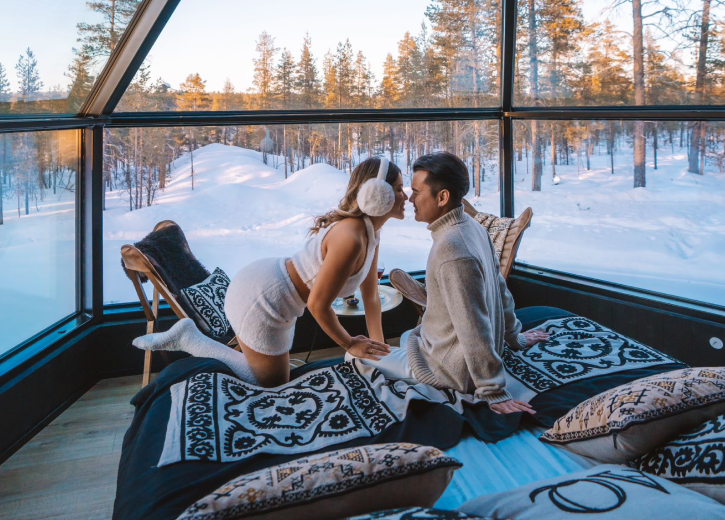
A glass igloo is an architectural marvel that reimagines the traditional snow shelter of Arctic indigenous peoples with modern materials and technology. These dome-shaped structures feature specially designed thermal glass that forms both the walls and ceiling, creating a 360-degree panoramic view of the surrounding landscape and sky. Unlike traditional igloos made of snow blocks, these contemporary versions are permanent structures built to withstand the harsh Arctic climate while providing luxurious comfort.
The engineering behind these transparent domes is remarkably sophisticated. The glass used is typically multi-layered thermal glass with special coatings that perform several crucial functions simultaneously. First, it provides excellent insulation to maintain comfortable interior temperatures despite external conditions that can plummet to -30°C or lower. Second, it incorporates heating elements that prevent frost or snow accumulation, ensuring clear views regardless of weather conditions. Third, many glass igloos feature specially treated glass that minimizes internal reflections at night, optimising visibility of the night sky.
The evolution of glass igloo design has seen significant advancements over the past decade. Early versions were relatively simple, small structures with basic amenities. Today’s glass igloos often include:
- Climate control systems that maintain ideal viewing temperatures
- Adjustable beds positioned for optimal sky viewing
- Private bathrooms with premium fixtures
- Thoughtfully designed lighting systems that can be dimmed or turned off completely
- Sound insulation to enhance the feeling of peaceful isolation
The construction process for these unique accommodations requires specialised knowledge and materials. The glass panels must be precisely engineered to form a weather-tight seal while maintaining structural integrity against snow loads, wind, and temperature fluctuations. The foundation systems are designed to minimise environmental impact while providing stability in permafrost or semi-frozen ground conditions common in the Arctic.
Why Finnish Lapland offers the ideal glass igloo experience
Finnish Lapland presents a perfect convergence of geographical, environmental, and cultural factors that make it the premier destination for glass igloo accommodation. The region’s location within the Arctic Circle provides reliable aurora activity, while its relatively moderate climate compared to other Arctic regions makes it more accessible and comfortable for travellers.
One of the most critical factors for optimal aurora viewing is minimal light pollution, and Finnish Lapland excels in this regard. The vast wilderness areas and low population density create some of Europe’s darkest skies, allowing for exceptional visibility of even faint auroral displays. Many glass igloo locations are strategically positioned away from towns and cities, often nestled in forest clearings that shield them from any distant artificial light while maintaining open views of the northern sky.
The climate considerations in Finnish Lapland also contribute to the ideal glass igloo experience. The region experiences what meteorologists call a “continental subarctic climate,” characterised by cold, relatively dry winters with stable weather patterns. This climatic stability means more clear nights than comparable locations in Norway or Iceland, which are more heavily influenced by changeable maritime conditions. While temperatures regularly drop well below freezing, the air is typically dry and still, creating perfect conditions for both aurora visibility and comfortable igloo living.
| Environmental Factor | Finnish Lapland Advantage | Impact on Viewing Experience |
|---|---|---|
| Light Pollution | Minimal – among Europe’s darkest regions | Enhanced visibility of auroras, including fainter displays |
| Climate Stability | Continental subarctic with predictable patterns | More clear nights and reliable viewing opportunities |
| Natural Surroundings | Pristine forests, lakes, and fells | Heightened sense of immersion and connection with nature |
Here at Aurora Queen Resort’s luxury glass igloo accommodations, we’ve carefully selected our location to maximise these natural advantages. Our glass igloos are positioned in a forest clearing that offers protection from winds while maintaining unobstructed views of the northern sky where auroras typically appear. The surrounding pristine wilderness enhances the sense of isolation and connection with nature that makes the glass igloo experience so special.
How to prepare for your glass igloo stay
Preparing for a glass igloo adventure requires thoughtful planning to ensure you maximise this unique experience. While the igloos themselves provide warmth and shelter, understanding what to bring and what to expect will enhance your aurora-viewing opportunities and overall enjoyment.
Packing appropriately for both indoor comfort and outdoor exploration is essential. While inside your glass igloo, temperatures are controlled and comfortable, typically maintained around 21°C. However, you’ll want to venture outside at times to experience the aurora from different perspectives and enjoy other winter activities. For outdoor excursions, layered clothing is crucial:
- Base layer: Thermal underwear made of merino wool or synthetic materials that wick moisture away from the body
- Mid layer: Fleece or wool jumpers and trousers for insulation
- Outer layer: Windproof and waterproof jacket and trousers
- Extremities: Insulated winter boots, wool socks, warm hat, waterproof gloves, and a scarf or neck gaiter
For optimal aurora viewing and photography, consider bringing these essentials:
- Camera with manual settings (smartphone cameras have improved but still struggle with night photography)
- Tripod for long-exposure shots
- Extra batteries (cold temperatures drain batteries quickly)
- Red-light headlamp or torch (preserves night vision while allowing you to see your equipment)
- Smartphone with aurora forecast apps
“The best aurora photographs capture not just the lights themselves, but their relationship with the landscape. Including elements of your glass igloo or the surrounding environment in your composition creates more compelling images that tell the complete story of your experience.”
Timing your viewing for optimal aurora opportunities is crucial. The lights can appear any time after dark during aurora season (late August to early April), but statistically, they’re most frequently observed between 10 pm and 2 am. Many experienced aurora hunters recommend setting an alarm for periodic checks throughout the night rather than trying to stay awake continuously. At Aurora Queen Resort, we offer aurora alert services that can notify you when displays begin, allowing you to rest comfortably until the show starts.
The thoughtful design elements that enhance aurora viewing
The true magic of a glass igloo experience lies in the thoughtful design elements that have been carefully incorporated to create the perfect aurora viewing environment. Every aspect of these structures has been considered to enhance your connection with the night sky while ensuring maximum comfort.
Perhaps the most critical design feature is the strategic bed positioning within the igloo. Unlike standard hotel rooms where beds are typically placed against walls, glass igloos feature beds centrally positioned directly under the clearest portion of the dome. This arrangement allows guests to lie back and gaze upward without straining their necks, creating the magical sensation of the aurora dancing directly above you. The beds themselves are often motorized or adjustable, allowing guests to find their ideal viewing angle.
Lighting design within glass igloos represents another crucial element that enhances the aurora experience. The best igloos feature sophisticated dimmable lighting systems that can be adjusted to eliminate internal reflections on the glass—a critical factor for clear night sky viewing. Some advanced designs incorporate amber or red lighting options that preserve night vision while allowing for movement within the igloo. Thoughtfully positioned indirect lighting illuminates the space without interfering with the view, and many igloos feature floor-level pathway lighting for safe navigation during nighttime hours.
Temperature control systems in modern glass igloos represent remarkable feats of engineering. These structures maintain comfortable living temperatures despite being surrounded by glass in sub-zero environments. Many utilise underfloor heating systems that provide even, comfortable warmth without the noise or disruption of forced-air systems. The glass itself often incorporates invisible heating elements that prevent condensation and frost formation, ensuring clear views regardless of external conditions.
At Aurora Queen Resort, our igloos integrate all these design elements while adding unique touches that elevate the experience. Our glass domes feature specially treated glass that maximises clarity while minimising internal reflections, and our beds are positioned to offer unobstructed views of the northern sky. We’ve carefully balanced privacy considerations with the immersive nature experience, designing our igloos to feel completely secluded while maintaining easy access to amenities.
The fusion of traditional Arctic shelter concepts with cutting-edge materials and thoughtful design has created something truly extraordinary in the glass igloo. These remarkable structures allow us to experience one of nature’s most spectacular phenomena in unprecedented comfort, creating memories that last a lifetime. Whether you’re witnessing the hypnotic dance of the northern lights for the first time or returning to experience them in a new way, a glass igloo stay in Finnish Lapland offers a magical connection with the Arctic sky that simply cannot be replicated elsewhere.