
Imagine lying in bed, surrounded by complete silence, as the northern lights dance across the Arctic sky above you. This isn’t a distant dream, but the reality awaiting those who venture to Finnish Lapland’s untouched wilderness. Far from the constant hum of modern life, this northern frontier offers something increasingly rare in our connected world: genuine peace and profound connection with nature.
Planning a peaceful getaway to Finnish Lapland requires more than simply booking accommodation. Understanding the unique elements that create true tranquillity, from seasonal considerations to accommodation design, transforms a standard holiday into a restorative wilderness experience. Whether you’re seeking the midnight sun’s endless golden hours or the aurora-filled polar nights, finding a unique hotel in Lapland that prioritises natural immersion over activity-packed schedules makes all the difference. This guide explores how to craft a genuinely peaceful escape in one of Europe’s last true wilderness regions.
Why Finnish Lapland offers unmatched wilderness tranquility
Finnish Lapland stands apart from other Nordic destinations through its extraordinary combination of vast uninhabited spaces and accessible wilderness. Covering roughly one-third of Finland’s landmass whilst housing only 3% of its population, Lapland offers something increasingly precious: genuine remoteness without sacrificing safety or comfort. The region’s pristine nature remains largely untouched, with ancient forests, crystalline lakes, and rolling fells stretching for hundreds of kilometres.
The Finnish concept of ‘everyman’s right’ (jokaisenoikeus) grants everyone the freedom to roam, camp, and forage in nature, regardless of land ownership. This cultural principle reflects a deep respect for natural spaces and ensures wilderness access remains democratic and widespread. Unlike many destinations where nature feels curated or restricted, Lapland’s wilderness invites genuine exploration and connection.
Perhaps most remarkably, silence functions as a natural resource in northern Finland. The absence of urban noise pollution, combined with snow’s sound-dampening qualities in winter, creates an auditory environment most modern travellers have never experienced. Research increasingly demonstrates that wilderness immersion reduces stress hormones, lowers blood pressure, and improves mental clarity. The psychological benefits extend beyond the holiday itself, with studies showing lasting improvements in wellbeing following sustained nature exposure.
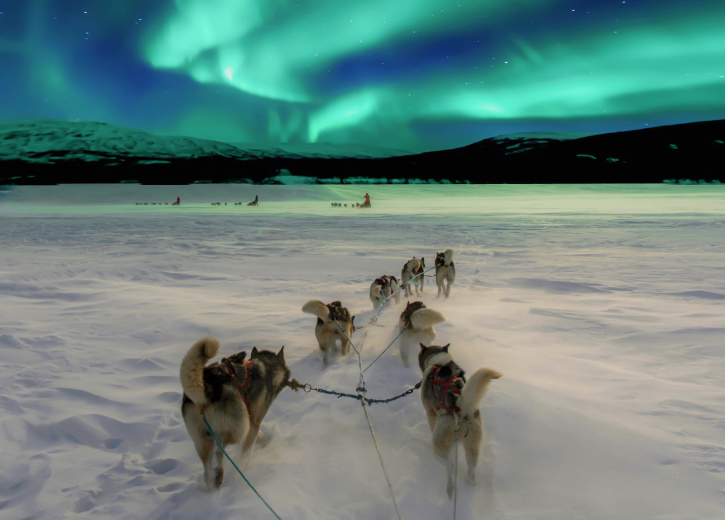
The region’s dramatic seasonal variations, from midnight sun to polar nights, create distinct atmospheres that appeal to different preferences for peace. Winter’s extended darkness, far from being oppressive, offers a cocoon-like intimacy with nature, whilst summer’s endless daylight provides energy and vitality. The aurora borealis and other natural phenomena occur without human intervention or schedule, reminding visitors of nature’s rhythms beyond human control.
Choosing the right season for your Lapland escape
Each season in Finnish Lapland offers a fundamentally different wilderness experience, making seasonal timing crucial for achieving your desired form of tranquillity. Understanding these variations helps align your visit with personal preferences for climate, natural phenomena, and crowd levels.
Autumn (September-October) brings spectacular colour transformations as forests shift to gold, orange, and crimson. Known locally as ‘ruska’, this brief but stunning season offers comfortable hiking temperatures, minimal insects, and relatively few visitors. The first auroras begin appearing as darkness returns, and the crisp air carries exceptional clarity. This period suits those seeking active peace through forest walks and fell hiking without winter’s extreme conditions.
Winter’s wonderland (November-March) represents peak aurora season, with long dark nights providing optimal viewing conditions. Snow transforms the landscape into a pristine white expanse, and temperatures, whilst cold, create the magical frosted forests and ice formations that define Arctic imagery. Despite being the most popular season, northern Lapland’s vastness means wilderness solitude remains achievable. Winter accommodation becomes particularly important, as thermal comfort directly impacts your ability to relax and enjoy the environment.
Spring awakening (April-May) offers rapidly extending daylight and warming temperatures whilst maintaining snow cover on higher ground. This transitional period sees nature emerging from winter dormancy, with migratory birds returning and wildlife becoming more active. Visitor numbers drop significantly after the main winter season, creating excellent conditions for those seeking peace with milder weather.
The midnight sun period (June-August) provides continuous daylight, with the sun never fully setting above the Arctic Circle. This phenomenon creates surreal golden-hour lighting throughout the night and energises many visitors. Summer offers the warmest temperatures, accessible hiking across all terrain, and opportunities to experience Lapland’s surprisingly lush green landscape. Those seeking contemplative peace may find the constant daylight initially challenging, though many discover a different form of tranquillity in nature’s abundance and vitality.
Essential elements of a truly peaceful wilderness stay
Creating genuine tranquillity requires more than simply being in nature. Several key factors determine whether accommodation delivers authentic peaceful immersion or merely positions itself near wilderness whilst maintaining urban characteristics.
Location and remoteness form the foundation of peaceful stays. Accommodation situated away from main roads, settlements, and tourist hubs naturally provides quieter environments. However, remoteness alone doesn’t guarantee peace if the site itself generates noise or activity. The surrounding landscape matters equally—views of untouched nature rather than other buildings or infrastructure help maintain the wilderness atmosphere.
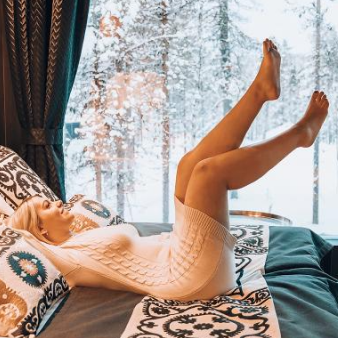
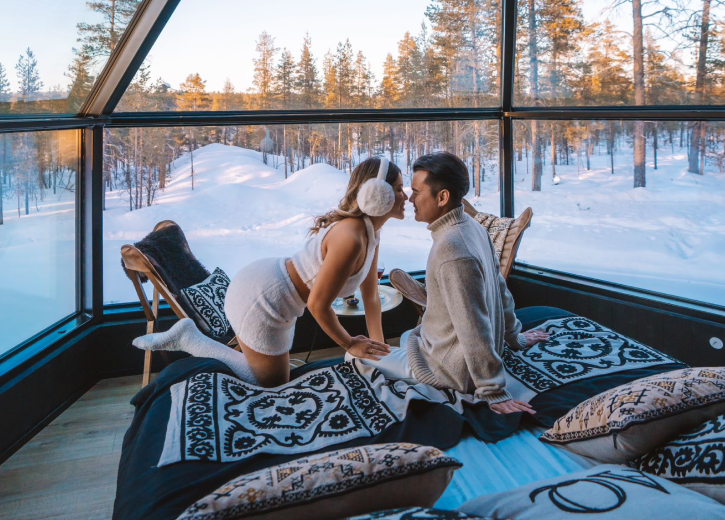
Connection to nature through thoughtful design and positioning allows guests to experience the environment without constant exposure to harsh conditions. Large windows, strategic orientation towards natural features, and outdoor spaces that encourage lingering all enhance nature connection. The best wilderness accommodation minimises barriers between inside and outside whilst maintaining comfort.
Light and noise pollution considerations become crucial in locations chosen specifically for natural phenomena viewing. Excessive exterior lighting ruins aurora visibility and disrupts the natural darkness that enhances wilderness immersion. Similarly, thin walls, mechanical noise from heating systems, or proximity to activity areas can shatter the silence that makes Lapland special.
True wilderness peace comes from unhurried itineraries that allow genuine relaxation rather than rushing between scheduled activities.
Balancing comfort with authentic wilderness immersion requires careful consideration. Overly luxurious facilities can feel disconnected from the natural environment, whilst insufficient comfort prevents relaxation. The ideal balance maintains warmth, cleanliness, and essential amenities whilst using natural materials and design that respects the surrounding landscape. When evaluating a unique hotel in Lapland, consider whether the property’s design philosophy prioritises nature connection or simply uses wilderness as a backdrop for conventional luxury.
Accommodation that caters primarily to adults seeking tranquillity naturally creates quieter environments than family-focused properties. This doesn’t diminish the value of family experiences, but recognising your priorities helps identify the right setting for your peaceful getaway.
How glass-ceiling accommodations enhance nature connection
Innovative accommodation design in recent years has explored ways to maximise wilderness immersion whilst maintaining Arctic comfort. Glass-ceiling concepts represent one approach to this challenge, creating spaces where the boundary between shelter and nature becomes beautifully blurred.
The fundamental principle involves bringing the outdoors inside through architectural design that frames nature as a living artwork. Rather than requiring guests to venture outside in potentially harsh conditions to experience auroras, starscapes, or weather phenomena, glass-ceiling structures allow continuous nature observation from thermal comfort. This approach particularly suits contemplative experiences, where extended observation reveals subtle changes in light, cloud movement, or aurora activity that brief outdoor visits might miss.
Aurora and stargazing from bed transforms these natural phenomena from activities requiring effort and endurance into integrated parts of the sleep environment. The experience of drifting to sleep under stars or being gently woken by aurora light creates profound connections with natural rhythms. Glass-ceiling design, when executed thoughtfully, positions beds to optimise sky views whilst maintaining privacy and warmth.
Architectural respect for natural surroundings distinguishes well-designed glass accommodations from gimmicky structures. Buildings should sit lightly on the landscape, using materials and forms that complement rather than dominate their environment. Sustainable approaches, such as geothermal heating and locally-sourced wood construction, demonstrate commitment to preserving the wilderness that attracts visitors.
Thermal comfort in Arctic conditions presents genuine engineering challenges for glass-ceiling designs. Effective solutions require sophisticated insulation, heating systems that maintain consistent warmth without noise or dry air, and glass treatments that prevent condensation whilst maximising clarity. Properties that have solved these technical challenges create environments where guests can genuinely relax rather than managing discomfort.
Thoughtful design creates peaceful contemplative spaces through careful attention to interior atmosphere. Minimal but warm furnishings, soft lighting that can be fully dimmed for aurora viewing, and layouts that encourage stillness all contribute to tranquillity. Aurora Queen Resort exemplifies these principles with glass-ceiling aurora view igloos and panorama suites positioned in peaceful northern Finland locations where nature immersion and genuine quietness remain priorities. The geothermal heating and solid wood materials reflect commitment to environmental responsibility whilst creating warm, peaceful spaces for adults seeking restoration.
The most successful glass-ceiling accommodations function as meditation spaces where nature’s constant yet ever-changing presence encourages mindfulness and presence. Whether watching snow fall silently, observing the midnight sun’s slow arc, or witnessing aurora displays, these spaces facilitate the deep relaxation and nature connection that define truly peaceful Lapland getaways.
Begin your wilderness escape today
Your journey to Finnish Lapland’s tranquil wilderness begins with a single decision—to prioritise genuine peace and nature connection over conventional tourism. Whether you’re drawn to winter’s aurora-filled nights, autumn’s golden forests, or summer’s midnight sun, the restorative power of Lapland’s untouched landscapes awaits.
Book your peaceful Lapland getaway and discover what it means to truly disconnect, surrounded by some of Europe’s last genuine wilderness. Your mind, body, and spirit will thank you for choosing tranquillity over the everyday rush.