
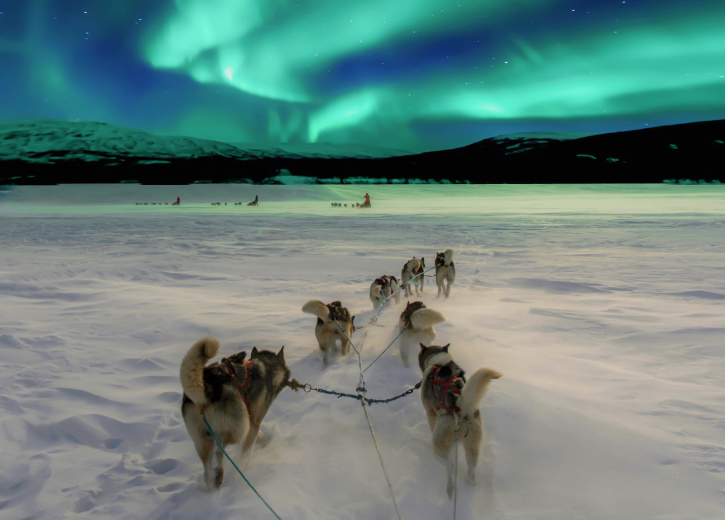
Imagine standing beneath a star-filled Arctic sky, watching ribbons of green and purple light dance overhead. The northern lights are one of nature’s most spectacular displays, yet witnessing them requires more than just luck. Understanding aurora forecasts and planning your viewing night strategically can transform your experience from hopeful waiting to successful observation. Whether you’re planning activities in Lapland or simply dreaming of your first aurora encounter, knowing how to interpret forecasts and choose optimal conditions will dramatically increase your chances of witnessing this celestial phenomenon in northern Finland’s pristine wilderness.
Understanding northern lights forecasts and predictions
Aurora forecasting relies on monitoring solar activity and its interaction with Earth’s magnetic field. The most widely used indicator is the KP index, which measures geomagnetic activity on a scale from 0 to 9. For viewing northern lights in Lapland, a KP index of 2 or higher typically indicates good visibility potential, whilst readings of 4 or above suggest strong auroral activity that may produce particularly vibrant displays.
Solar wind data provides additional forecasting precision. When the sun releases charged particles during solar events, these particles travel through space and reach Earth within 1-3 days. Forecasters monitor solar wind speed, density, and the orientation of its magnetic field (particularly the Bz component) to predict aurora strength. A southward-pointing Bz combined with high solar wind speed creates ideal conditions for spectacular displays, as these factors allow solar particles to more effectively interact with Earth’s magnetosphere.
Several reliable forecast tools serve aurora enthusiasts. The Space Weather Prediction Centre offers 30-minute to 3-day forecasts, whilst specialised aurora apps provide real-time alerts and location-specific predictions. However, understanding forecast limitations proves equally important. Short-term forecasts (within 24 hours) offer reasonable accuracy, whilst predictions beyond three days remain speculative. Cloud cover forecasts, separate from aurora predictions, ultimately determine whether atmospheric conditions will cooperate with geomagnetic activity to create visible displays.
Geomagnetic activity measurements predict aurora potential, but local weather conditions determine whether you’ll actually see the lights dancing overhead.
Essential conditions for optimal aurora viewing
Even during strong geomagnetic activity, several environmental factors determine viewing success. Cloud cover represents the most immediate obstacle, as even thin clouds can obscure aurora displays. Northern Finland’s weather patterns can shift rapidly, making flexible planning essential. Monitoring both aurora forecasts and meteorological predictions simultaneously helps identify nights when clear skies coincide with geomagnetic activity.
Light pollution significantly impacts aurora visibility. The human eye requires darkness to perceive the often-subtle colours and movements of northern lights, particularly during moderate displays. Urban areas, street lighting, and even illuminated buildings can wash out fainter auroras. Locations far from artificial light sources reveal not only brighter auroras but also the full spectrum of colours, from the common green to rarer purples, reds, and blues that appear during intense displays.
Moon phases influence viewing conditions more than many visitors realise. A full moon creates surprisingly bright conditions that can diminish the visibility of weaker auroras, whilst new moon periods offer the darkest skies. However, moonlight isn’t entirely disadvantageous, as it can illuminate the landscape, creating stunning photographic opportunities with auroras overhead. Seasonal considerations also matter tremendously. In northern Finland, the aurora season runs from late August through April, with the darkest months of December and January offering the longest viewing windows each night.
| Condition | Optimal state | Impact on viewing |
|---|---|---|
| Cloud cover | Clear or minimal | Critical factor for visibility |
| Light pollution | Minimal to none | Affects colour perception and intensity |
| Moon phase | New to crescent | Darker skies reveal fainter auroras |
| Temperature | Clear, cold nights | Often correlates with clear skies |
When to plan your northern lights viewing experience
Timing your aurora viewing adventure requires balancing multiple factors. The optimal months for northern lights in Lapland span from September through March, with peak darkness occurring during winter months. September and March offer milder temperatures whilst still providing substantial darkness, making them appealing for visitors less accustomed to Arctic conditions. December through February deliver the longest nights, with some locations experiencing near-total darkness for extended periods, maximising your viewing window.
Within each night, aurora activity typically peaks between 22:00 and 02:00, though displays can occur anytime during dark hours. Planning to remain available throughout the evening increases success rates significantly. Many experienced aurora hunters adopt a multi-night strategy, recognising that atmospheric and geomagnetic conditions vary considerably from night to night. Booking several consecutive evenings for potential viewing provides flexibility to capitalise on the best conditions during your stay.
Patience proves essential when pursuing northern lights. Even during periods of predicted high activity, auroras may appear subtly at first or remain hidden behind temporary cloud cover. Some displays last mere minutes, whilst others dance for hours. Experienced guides who monitor forecasts continuously can make informed predictions about which evening offers optimal conditions. Some visitors exploring activities in Lapland choose guided experiences where experts handle the forecasting complexity and transport guests to locations with the clearest skies, allowing them to focus on the experience rather than the technical planning.
Realistic expectations enhance satisfaction. Whilst northern Finland offers excellent aurora viewing opportunities, the lights remain a natural phenomenon subject to solar activity cycles and weather patterns. Aurora displays vary from subtle green glows to explosive, colourful shows that fill the entire sky. Understanding this variability helps visitors appreciate whatever nature presents.
How location and accommodation enhance viewing success
Strategic location selection dramatically influences aurora viewing success. Proximity to dark sky areas away from settlements provides the foundation for optimal viewing. Northern Finland’s sparsely populated landscape offers numerous locations with minimal light pollution, but accessibility during winter conditions varies considerably. Locations with unobstructed views toward the northern horizon prove particularly valuable, as auroras often appear low on the horizon before intensifying and spreading across the sky.
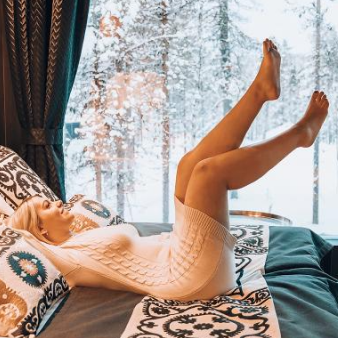
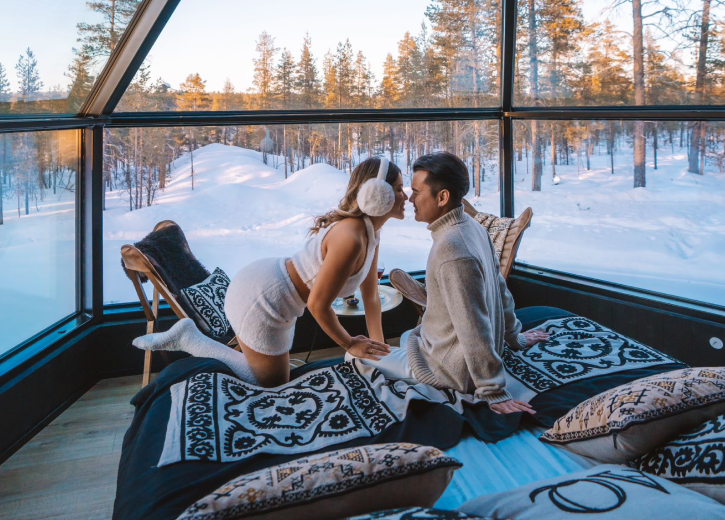
The comfort factor shouldn’t be underestimated when planning aurora viewing in Lapland’s winter environment. Temperatures frequently drop below -20°C, and standing outdoors for extended periods can become uncomfortable regardless of clothing quality. This reality has led to innovations in accommodation design that allow aurora observation from sheltered, heated environments. Glass-ceiling structures positioned in dark locations enable visitors to watch for northern lights whilst remaining comfortable, significantly extending the time people can dedicate to aurora watching without retreating indoors.
Accommodation location matters beyond just darkness levels. Properties situated in areas where local knowledge and forecast monitoring inform guests about optimal viewing times provide distinct advantages. Being already positioned in a prime viewing location eliminates travel time when auroras appear, preventing missed opportunities during brief displays. Aurora Queen Resort exemplifies this approach, combining purpose-designed aurora viewing facilities with expert location selection, offering guests immediate access when conditions align perfectly whilst maintaining comfort during long winter nights.
The interplay between location, comfort, and accessibility creates varying approaches to aurora viewing. Some enthusiasts prefer venturing into wilderness areas for the most pristine darkness, whilst others value the convenience of viewing from accommodation that balances darkness with amenities. Your personal tolerance for cold, mobility considerations, and travel style all influence which approach suits your northern lights adventure best. The key lies in selecting a strategy that allows you to remain patient and attentive throughout the optimal viewing hours, as the fox that occasionally wanders through these northern landscapes demonstrates the same patience when hunting beneath the dancing lights above.