
Preparing for a winter trip to Lapland requires careful planning to ensure you stay warm, comfortable and able to fully enjoy this magical winter wonderland. The Finnish Lapland region experiences extreme cold with temperatures regularly dropping below -20°C, significant snowfall, and limited daylight hours during peak winter. However, with proper clothing, timing your visit right, and understanding what to expect, you’ll be well-equipped to experience everything from the mesmerizing northern lights to thrilling winter activities.
What should I pack for a winter trip to Lapland?
For a winter trip to Lapland, pack a layering system consisting of thermal base layers, thick mid-layers like wool or fleece, and a windproof, waterproof outer layer. Essential items include insulated snow boots rated to at least -30°C, thermal socks, insulated waterproof gloves, a wool hat, neck gaiter, and thermal undergarments. Hand and foot warmers can provide additional comfort during extended outdoor activities.
The key to staying comfortable in Lapland’s winter is understanding the layering principle. Your base layer should be made of moisture-wicking materials like merino wool or synthetic fabrics—never cotton, which retains moisture and can make you dangerously cold. Mid-layers provide insulation and should be made of fleece or wool. Your outer layer needs to block wind and repel moisture while still allowing some breathability.
Don’t underestimate the importance of proper footwear. Cold feet can quickly ruin your experience, so invest in quality winter boots with thick insulation and good grip for icy conditions. Bring several pairs of thermal socks and consider wool-blend options for the best insulation.
If you’re hoping to photograph the northern lights, pack a tripod, camera with manual settings capability, extra batteries (which drain quickly in cold temperatures), and a headlamp with a red light option to preserve your night vision. Keeping your electronics warm is crucial, so bring insulated pouches to store them close to your body when not in use.
When is the best time to visit Lapland for winter activities?
The best time to visit Lapland for winter activities depends on your priorities. December offers Christmas magic with limited daylight (2-4 hours) and temperatures around -10°C to -20°C. January-February brings peak winter conditions with temperatures often below -20°C but better northern lights visibility. March-April offers longer days, milder temperatures (-5°C to -15°C), plenty of snow, and excellent aurora viewing opportunities.
Early winter (November-December) brings the magical “blue moment”—a prolonged twilight when the landscape is bathed in a bluish hue. This period is perfect for experiencing traditional Finnish Christmas celebrations and visiting Santa Claus Village. However, be aware that November can sometimes have insufficient snow cover for activities like snowmobiling or cross-country skiing.
January and February offer the most authentic Arctic experience. These months bring the deepest snow and coldest temperatures, creating picture-perfect winter landscapes. The polar night (kaamos) begins to lift, providing a few hours of daylight with stunning light conditions photographers love. These months are ideal for witnessing the northern lights, as dark skies dominate and solar activity is often high.
Late winter (March-April) provides a more balanced experience with significantly more daylight hours, making it easier to pack multiple activities into each day. The snow remains excellent for winter sports, but temperatures become more manageable. April can be particularly special as the returning sunlight creates stunning conditions while still maintaining good chances for aurora viewing on clear nights.
How cold does it actually get in Lapland during winter?
Lapland winter temperatures typically range from -10°C to -20°C, but can regularly plunge to -30°C or even -40°C during cold snaps. Wind chill can make it feel significantly colder. These temperatures are much more extreme than most European winter destinations, requiring proper preparation. However, indoor spaces in Lapland are very well-heated, creating a cosy contrast to the outdoor conditions.
The cold in Lapland feels different from what many visitors expect. The air is very dry, which actually makes the cold more bearable than wet, damp conditions you might experience at higher temperatures in more humid climates. You’ll often hear locals say, “There’s no such thing as bad weather, only inappropriate clothing”—and this perfectly captures the Lapland approach to winter.
Wind is the factor that most dramatically affects how cold you’ll feel. A calm -25°C day can feel quite comfortable with proper clothing, while a windy -15°C day might feel unbearable. Learning to check wind chill factors is essential when planning your daily activities.
Interestingly, your body does acclimate somewhat to the cold after a few days. Many visitors find themselves gradually needing fewer layers as their trip progresses. That said, proper protection for extremities remains crucial throughout your stay, as fingers, toes, and exposed facial skin can still freeze quickly, especially during activities like snowmobiling where wind exposure increases.
What winter activities can you experience in Lapland?
Winter activities in Lapland include northern lights viewing, husky sledding (30-minute to full-day trips), reindeer sleigh rides, snowmobiling across frozen lakes and forests, ice fishing, snowshoeing, cross-country and downhill skiing, and authentic Finnish sauna experiences often followed by snow rolling or ice swimming. Most activities are suitable for beginners, though snowmobiling requires a driver’s license and moderate physical fitness.
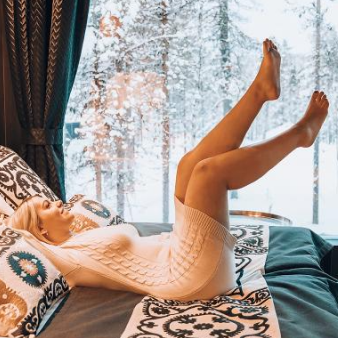
Northern lights hunting is perhaps the most sought-after experience. While visible from September to April, the peak winter months offer the darkest skies. Many accommodations, including glass-ceiling igloos, provide the opportunity to witness this spectacular phenomenon from the comfort of a warm bed.
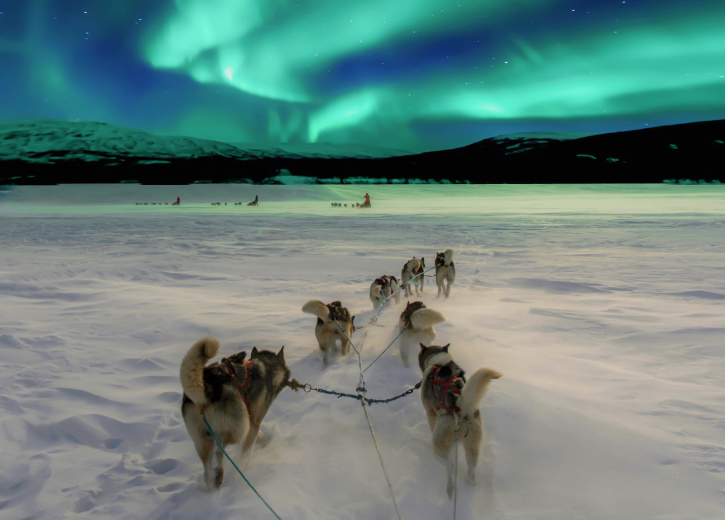
Husky sledding offers an unforgettable way to experience the wilderness. After brief instructions, you’ll be mushing your own team of eager dogs through snow-covered forests. The connection with these incredible animals and the silence of gliding through the landscape create a profound experience that many visitors rank as their favourite activity.
Reindeer experiences provide insight into Sámi culture, as reindeer herding remains an important tradition. These gentle animals move at a slower pace than huskies, creating a peaceful journey through the snow. Many tours include visits to traditional lavvu (Sámi tents) where you can hear stories about indigenous life in the Arctic.
For relaxation, nothing beats the traditional Finnish sauna experience. The contrast between the hot sauna (80-100°C) and the freezing outdoor air creates an invigorating sensation that Finns consider essential to wellbeing. Many visitors are surprised to find they actually enjoy a quick roll in the snow or dip in an ice hole after sauna—it’s exhilarating rather than unpleasant!
How can you maximize your chances of seeing the northern lights?
To maximize your chances of seeing the northern lights in Lapland, stay for at least 3-4 nights, check aurora forecasts using apps like “Aurora” or “My Aurora Forecast”, seek locations away from light pollution, visit between September and April, and be prepared to stay up past midnight when aurora activity often peaks. Clear skies are essential, so have alternative viewing nights planned in case of cloudy weather.
Understanding aurora forecasting is crucial. The KP-index measures geomagnetic activity on a scale of 0-9, with higher numbers indicating stronger auroras visible at lower latitudes. In Lapland, even a KP-index of 2-3 can produce visible northern lights when conditions are right.
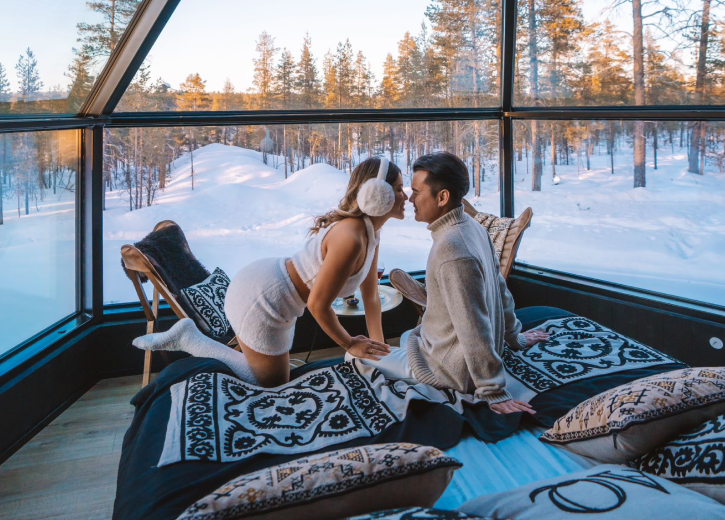
Staying in accommodation with northern views and minimal light pollution significantly improves your chances. Glass-ceiling igloos offer the perfect combination of warmth and unobstructed sky views. When the aurora appears, you can simply enjoy the spectacle from your bed without having to bundle up and head outdoors.
If you’re interested in photographing the northern lights, use a camera with manual settings, a wide-angle lens with a wide aperture (f/2.8 or wider), high ISO settings (1600-3200), and exposure times between 5-20 seconds depending on aurora brightness. A sturdy tripod is essential, as is protecting your batteries from the cold.
Patience and flexibility are perhaps the most important factors. The aurora is a natural phenomenon that doesn’t perform on schedule. Some nights might show just a faint green glow, while others could display spectacular dancing curtains of green, purple and pink light. Being willing to wait and watch, even during late hours, significantly improves your chances of witnessing a memorable display.
What practical travel tips should you know before visiting Lapland?
Before visiting Lapland, be aware that winter driving requires experience with snow conditions, so consider guided tours or transfers instead of car rental. Protect mobile phones from extreme cold by keeping them in inner pockets. Finland uses European two-pin plugs (type C/F) at 230V. The currency is Euro, and while cards are widely accepted, having some cash is useful for small purchases. Basic Finnish phrases like “Kiitos” (thank you) and “Hei” (hello) are appreciated by locals.
Transportation within Lapland requires planning. Distances between attractions can be significant, and winter conditions make travel slower than you might expect. Many visitors find that booking accommodation with activity packages or transfers included offers the best experience, as local operators understand how to navigate safely in challenging conditions.
The extreme cold affects technology in ways many visitors don’t anticipate. Smartphones may shut down unexpectedly when exposed to temperatures below -20°C, so keep devices close to your body when not in use. Consider bringing power banks, but remember these also lose charge quickly in cold conditions.
Daylight hours vary dramatically depending on when you visit. During December and early January, you might experience only 2-4 hours of dim light per day. Plan your activities accordingly, understanding that you’ll be experiencing most outdoor adventures in darkness or twilight during this period. Conversely, by March and April, you’ll have significantly more daylight hours.
Finnish culture values personal space and quietness, which some visitors might initially interpret as unfriendliness. However, Finns are genuinely hospitable and helpful when approached. The relaxed pace of life, especially in remote Lapland villages, is part of the charm of your Arctic experience. Embrace the opportunity to slow down and connect with the pristine wilderness around you.
With proper preparation, an open mind, and a sense of adventure, your winter journey to Lapland will likely become one of your most treasured travel experiences—a magical encounter with one of Europe’s last true wildernesses.
Ready to Experience the Magic of Lapland?
After learning about the breathtaking winter wonderland that awaits in Lapland, why not turn your dreams into reality? The Aurora Queen Resort offers the perfect base for all your Arctic adventures, from northern lights viewing in glass-ceiling accommodations to exhilarating husky safaris across pristine snowscapes.
Our specially curated winter packages include everything you need for an unforgettable Lapland experience—comfortable accommodation with panoramic aurora views, authentic Finnish sauna experiences, guided winter activities, and transportation in our climate-controlled vehicles. Our experienced local guides will ensure you stay warm, comfortable, and make the most of your Arctic adventure.
Don’t miss the chance to witness the dancing northern lights, experience the thrill of dashing through snow-covered forests on a reindeer sleigh, or enjoy the peaceful silence of Lapland’s winter wilderness. Book your magical Lapland holiday at Aurora Queen Resort today and prepare for the winter adventure of a lifetime!