Choosing the right retreat in northern Finland can transform a simple holiday into an extraordinary experience that restores your sense of wonder and inner peace. With Lapland’s vast wilderness stretching across the Arctic Circle, the options range from remote forest cabins to unique hotel in Lapland experiences that blend comfort with authentic Arctic immersion. The challenge lies not in finding accommodation, but in identifying which type of retreat aligns with your personal vision of tranquillity, adventure, and connection with nature.
This guide will help you navigate the essential considerations when selecting an adult-focused retreat in northern Finland, from understanding what makes this region uniquely suited for peaceful getaways to evaluating the practical factors that will shape your experience. Whether you’re drawn by the promise of aurora-lit skies, the profound silence of snow-covered forests, or simply the chance to disconnect from everyday demands, making an informed choice ensures your retreat delivers the restorative experience you’re seeking.
What makes northern Finland ideal for adult retreats
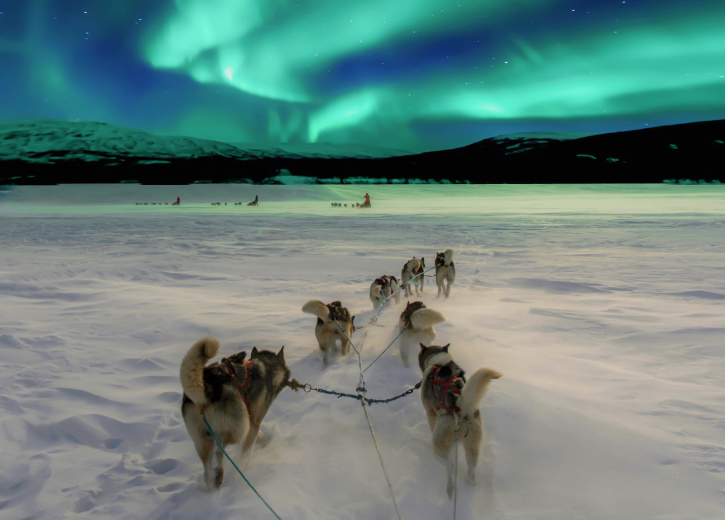
Northern Finland occupies a distinctive position among global retreat destinations, offering characteristics that appeal specifically to adults seeking genuine tranquillity rather than entertainment-focused tourism. The region’s location within the Arctic Circle creates natural phenomena unavailable elsewhere in Europe, including the aurora borealis dancing across winter skies and the midnight sun bathing the landscape in golden light throughout summer nights. These celestial displays provide a sense of connection to natural rhythms that many find profoundly restorative.
The seasonal variations themselves shape the retreat experience in meaningful ways. Winter transforms the landscape into a pristine white expanse where sound seems to disappear into the snow, creating an almost meditative silence. Autumn brings dramatic colour transformations known locally as ruska, whilst brief Arctic summers offer endless daylight for contemplative walks through forests and fells. Each season delivers a fundamentally different atmosphere, allowing you to choose the backdrop that resonates with your personal retreat vision.
Perhaps most significantly, Finnish Lapland remains refreshingly distant from mass tourism corridors. The region’s vast geography means that even during peak aurora season, finding genuine seclusion remains possible. The cultural authenticity here hasn’t been manufactured for tourists; instead, you encounter the genuine rhythms of life adapted to Arctic conditions over generations. This combination of spectacular natural phenomena, dramatic seasonal character, and authentic remoteness creates retreat conditions difficult to replicate elsewhere, particularly for adults seeking experiences beyond conventional holiday offerings.
Essential factors when selecting your accommodation
The accommodation you choose fundamentally shapes your entire northern Finland experience, making careful evaluation of several key factors essential. Location considerations involve balancing accessibility with seclusion—properties closer to natural attractions offer convenience for aurora viewing and wilderness activities, whilst more remote locations provide deeper immersion in silence and solitude. Consider whether you value the ability to easily explore different areas or prefer to settle into one tranquil spot for the duration of your stay.
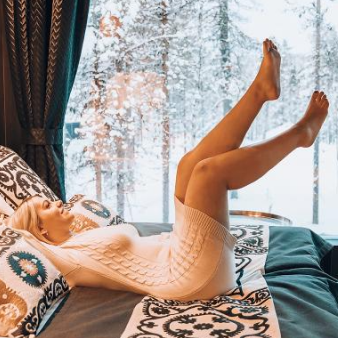
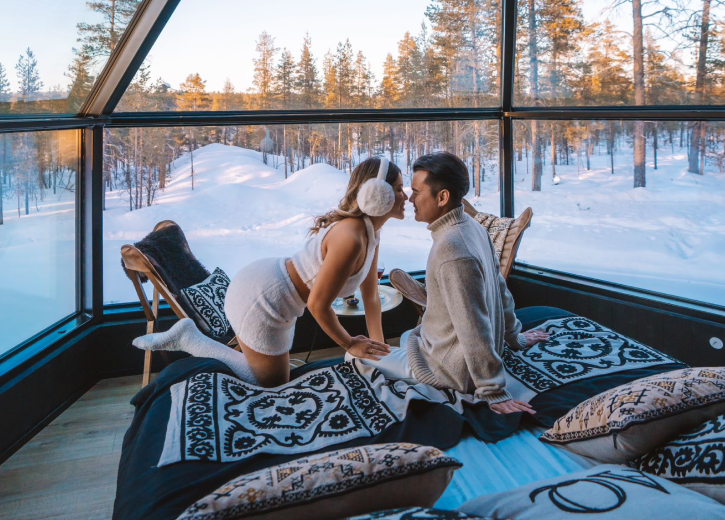
Accommodation types across northern Finland range from traditional log cabins that have housed travellers for generations to contemporary architectural designs that incorporate modern comforts whilst maintaining connection to the landscape. Glass-ceiling structures represent a unique hotel in Lapland approach, allowing you to experience the night sky from the warmth of your accommodation—particularly valuable during winter when temperatures drop significantly. When evaluating options, consider the size and guest capacity of properties, as smaller, adult-focused retreats naturally offer different atmospheres than larger establishments catering to diverse groups.
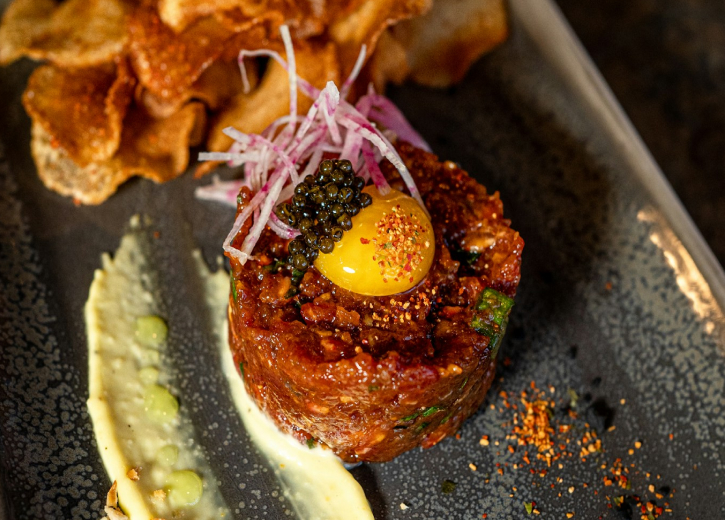
Seasonal accessibility deserves careful attention, as some remote locations become challenging to reach during deep winter or spring thaw periods. Amenities that enhance adult experiences might include wellness facilities, quality dining that showcases regional ingredients, or simply well-designed spaces that encourage relaxation and contemplation. The balance between comfort and authentic wilderness immersion varies considerably between properties—some prioritise luxury appointments, whilst others emphasise simpler surroundings that keep focus on the natural environment. Neither approach is inherently superior; the right choice depends on what elements you find most conducive to genuine relaxation and renewal.
Privacy and tranquility: evaluating retreat environments
Understanding how different retreat designs impact your sense of peace requires looking beyond marketing descriptions to evaluate tangible environmental factors. Property size and guest capacity create the foundation for tranquillity—a retreat accommodating 30-40 guests simultaneously will naturally feel different from one hosting fewer than 20 at any time. Smaller properties allow for genuine quietness, where you might spend entire evenings without encountering other guests if you prefer solitude.
The surrounding landscape characteristics prove equally important. Properties situated in open fell areas offer expansive views and excellent aurora visibility but may feel more exposed, whilst forest-nestled retreats provide sheltering intimacy and protection from wind. Consider the distance to neighbouring properties and public roads, as sound travels remarkably far in Arctic air, particularly during still winter nights. Light pollution remains minimal across most of northern Finland, but proximity to even small towns can affect both aurora viewing and the quality of natural darkness that many find psychologically restorative.
Seasonal visitor patterns influence the retreat atmosphere considerably. Peak aurora season from December through March attracts the highest visitor numbers region-wide, whilst September-October and late March offer excellent natural phenomena with fewer tourists. The physical layout of accommodations matters significantly—properties with dispersed, individual units separated by natural landscape provide more inherent privacy than clustered arrangements. At Aurora Queen Resort, this design principle positions glass-ceiling igloos and panorama suites to offer both connection to nature and personal space, allowing guests to experience Lapland’s tranquillity without compromise. This dispersed approach to accommodation design helps maintain the peaceful environment that adults specifically seek when choosing northern Finland for their retreat.
How aurora viewing opportunities vary by location
Understanding the factors that influence aurora borealis visibility helps set realistic expectations and guides accommodation selection. Latitude plays a fundamental role—locations within the auroral oval zone, roughly between 66° and 69° North, offer the most consistent viewing opportunities. Northern Finland sits favourably within this zone, providing statistical advantages over locations further south, though aurora activity varies considerably based on solar conditions beyond anyone’s control.
Light pollution impact cannot be overstated when evaluating viewing potential. Even modest artificial lighting from nearby settlements can diminish the aurora’s visibility, particularly during displays of moderate intensity. Properties situated away from towns and villages, with minimal exterior lighting, provide significantly better viewing conditions. The optimal viewing period extends from September through March, when darkness returns to the Arctic night. Within this window, the months from December through February offer the longest dark periods, whilst September and March provide milder temperatures that some find more comfortable for extended outdoor observation.
Weather patterns influence visibility as much as aurora activity itself—clear skies are essential, and northern Finland’s inland areas typically experience more stable weather than coastal regions. Accommodation design features can substantially enhance the viewing experience without requiring you to brave extreme cold. Glass-ceiling structures allow comfortable observation from indoor warmth, particularly valuable when temperatures drop below -20°C. Properties with thoughtfully positioned outdoor spaces, minimal exterior lighting, and unobstructed northern sky views provide natural advantages. However, maintaining realistic expectations remains important: aurora viewing always involves an element of chance, and the experience of staying in pristine Arctic wilderness delivers value regardless of whether the lights perform on schedule.
The most memorable northern Finland retreats aren’t defined solely by aurora sightings, but by the complete immersion in an environment where nature’s rhythms take precedence over human schedules.
Begin your Arctic retreat journey
Having explored the essential considerations for selecting your perfect northern Finland retreat, the next step is transforming these insights into a tangible experience. The combination of pristine wilderness, remarkable natural phenomena, and thoughtfully designed accommodations awaits those ready to embrace the restorative power of the Arctic landscape.
If the prospect of glass-ceiling aurora viewing, genuine tranquillity, and immersion in Lapland’s seasonal beauty resonates with your retreat vision, book your holiday at Aurora Queen Resort and secure your place in this extraordinary environment. Whether you’re drawn to the silent majesty of winter, the golden light of autumn ruska, or the endless days of Arctic summer, your northern Finland experience begins with a single decision to prioritise renewal, wonder, and connection with nature’s most spectacular displays.