

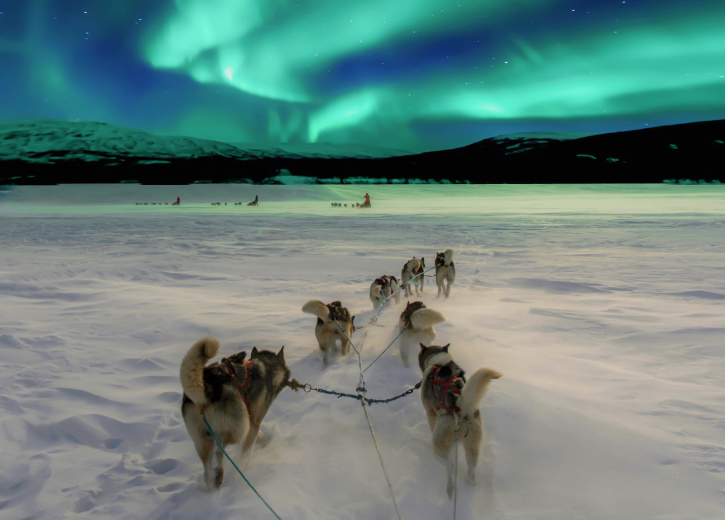
Northern lights displays typically last from 10 minutes to several hours, with most auroral activity occurring in waves of 15–30-minute bursts throughout the night. The duration depends on solar wind strength, geomagnetic conditions, and local weather patterns. Peak viewing windows in northern Finland usually span 2–4 hours under optimal conditions.
Short aurora bursts are costing you the full magical experience
Many visitors expect the northern lights to appear as steady, continuous displays lasting for hours, but auroral activity actually occurs in unpredictable waves that can disappear within minutes. This misconception leads to rushed viewing attempts and missed opportunities when the lights return stronger later in the evening. To maximize your chances, plan for extended viewing sessions of at least 3–4 hours, allowing time to witness multiple auroral cycles and catch the most spectacular moments when solar activity peaks.
Poor timing decisions are limiting your northern lights success
Choosing random nights without considering aurora forecasts and solar activity predictions significantly reduces your chances of success. Weather conditions, moon phases, and geomagnetic activity all influence both auroral intensity and how long the lights remain visible. Check aurora forecasts 24–48 hours in advance, monitor cloud-cover predictions, and stay flexible with your viewing dates to align with optimal conditions—when the northern lights are most likely to appear and persist.
How long do northern lights typically last during a single display?
Northern lights displays typically last from 10 minutes to 4 hours, with most individual auroral events persisting for 15–30 minutes before fading or changing intensity. The total viewing window often extends 2–6 hours during active geomagnetic conditions.
Auroral activity occurs in cycles throughout the night rather than as one continuous display. You might witness brief 10-minute bursts followed by quiet periods, then experience spectacular 45-minute shows with dancing curtains of light. The strongest displays often come in waves, with peak intensity lasting 20–30 minutes before gradually diminishing.
In northern Finland, prime viewing conditions typically occur between 9 p.m. and 2 a.m. during the winter months. During major geomagnetic storms, the northern lights can remain visible for 6–8 hours, with varying intensity. However, even during quiet auroral periods, brief displays lasting 5–15 minutes can create memorable viewing experiences when conditions align perfectly.
What makes some aurora displays last longer than others?
Solar wind strength and consistency determine auroral duration, with sustained, high-speed solar particles creating longer displays. Stable geomagnetic conditions, clear skies, and strong magnetic-field interactions extend viewing time, while fluctuating solar activity produces shorter, intermittent shows.
Major geomagnetic storms generate the longest-lasting auroral displays because they maintain consistent energy input from the solar wind over extended periods. During these events, Earth’s magnetosphere remains highly charged, producing near-continuous northern lights activity for 4–6 hours or more. The aurora may dim and brighten repeatedly but rarely disappears completely.
Weather conditions significantly affect perceived duration even when auroral activity remains constant. Cloud cover can obscure the northern lights for hours, making displays seem shorter than they actually are. Moonlight also affects visibility, with new-moon periods offering optimal conditions for seeing fainter auroral displays that might otherwise remain invisible.
How long should you plan to watch for northern lights?
Plan to watch for the northern lights for at least 2–3 hours to account for auroral cycles and changing conditions. Optimal viewing sessions last 3–4 hours, allowing time to witness multiple displays and adapt to weather changes while maximizing your chances of seeing peak activity.
Auroral activity rarely follows a predictable schedule, making patience essential for successful viewing. The first hour might show minimal activity, followed by spectacular displays in hours two and three. Many visitors give up too early, missing the strongest auroral shows, which often occur later in the evening as geomagnetic conditions intensify.
Professional aurora guides recommend staying outdoors for a minimum of 90 minutes per session, even during quiet periods. This duration allows your eyes to fully adjust to the darkness while giving auroral activity time to develop. Extended 4–5-hour viewing sessions during peak aurora season often reward patient observers with multiple distinct displays and a variety of auroral forms throughout the night.
What’s the difference between northern lights activity and visibility duration?
Northern lights activity refers to auroral activity in the upper atmosphere, while visibility duration describes how long you can observe it from the ground. Activity may continue for hours, but visibility depends on weather conditions, light pollution, and atmospheric clarity, all of which affect your viewing experience.
Auroral activity occurs at altitudes of 80–300 kilometers above Earth, where solar particles interact with atmospheric gases regardless of ground-level conditions. This activity can persist for extended periods during geomagnetic storms, even when clouds, precipitation, or haze prevent ground-based observation. Satellite data often shows auroral activity continuing while surface visibility remains zero.
Visibility duration varies dramatically based on local conditions, even during consistent auroral activity. Clear skies might provide 3–4 hours of continuous viewing during the same auroral event that remains completely hidden in cloudy areas. Temperature inversions, ice crystals, and atmospheric moisture can reduce visibility to brief windows between weather changes, despite ongoing northern lights activity above the cloud layer.
How can you maximize your northern lights viewing time?
Maximize northern lights viewing time by checking aurora forecasts, choosing dark locations away from light pollution, dressing warmly for extended outdoor sessions, and staying flexible with your viewing dates. Monitor weather conditions and be prepared to travel to clearer areas when clouds threaten visibility.
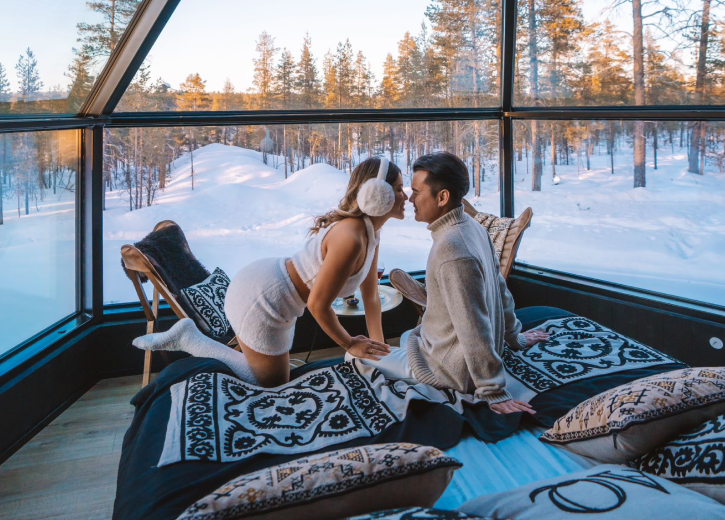
Location selection significantly affects viewing duration and success rates. Areas with minimal light pollution and unobstructed northern horizons provide optimal conditions for observing both faint and bright auroral displays. Northern Finland’s remote locations offer excellent viewing opportunities, and some specialized accommodations provide heated viewing areas for comfortable, extended observation.
Professional northern lights tours often maximize viewing time with experienced guides who monitor real-time aurora forecasts and weather conditions. These guided experiences typically last 3–4 hours and include transportation to optimal viewing locations based on current conditions. The expertise of local guides helps visitors understand auroral patterns and timing, increasing the likelihood of witnessing peak displays during limited travel windows. Places like Aurora Queen Resort also offer specialized aurora viewing activities to enhance your northern lights experience.