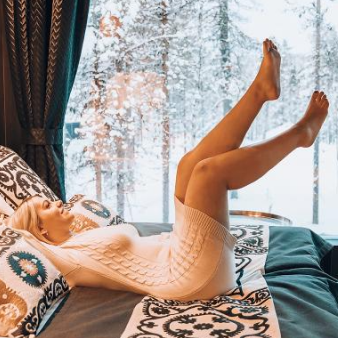
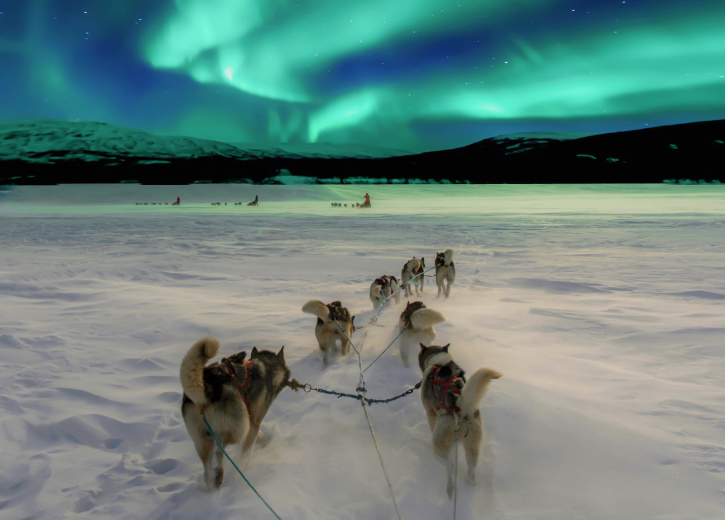
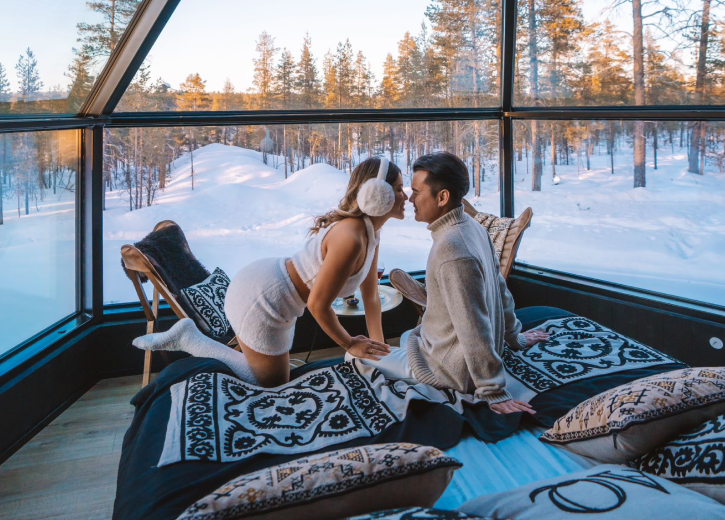
Imagine drifting to sleep beneath a canopy of stars, the dancing northern lights painting the sky in vibrant greens and purples, all while cocooned in perfect warmth despite the Arctic temperatures outside. This once impossible dream has become reality, transforming Finland’s winter tourism landscape and creating an entirely new category of luxury travel experiences. The glass igloo phenomenon represents one of the most innovative developments in Nordic hospitality, brilliantly solving the aurora hunter’s eternal dilemma: how to comfortably witness nature’s most spectacular light show in one of the world’s coldest environments.
Over the past two decades, these architectural marvels have revolutionized how visitors experience Finland’s winter wonderland, extending tourism seasons and creating year-round appeal for regions once considered inhospitable during the darkest months. Beyond merely providing shelter, these transparent domes have redefined our relationship with Arctic environments, offering immersion without exposure and luxury without compromise. Let’s explore how these remarkable structures emerged, transformed the northern lights experience, and continue to evolve as sustainable tourism attractions.
The origin story of glass igloos in Finland
The concept of the modern glass igloo first emerged in Finnish Lapland during the early 2000s, inspired by traditional indigenous snow shelters but reimagined with contemporary materials and technology. The innovation addressed a fundamental challenge: while Finland’s Lapland region offered some of the world’s most spectacular aurora borealis displays, the bitter cold of Arctic winters (often plunging below -30°C) made extended outdoor viewing sessions uncomfortable and potentially dangerous for tourists.
Hotel Kakslauttanen, located in Saariselkä, is widely credited with pioneering the first commercially successful glass igloos around 2007. Founder Jussi Eiramo reportedly conceived the idea after contemplating how to help visitors witness the northern lights without enduring the extreme cold. The initial designs were relatively modest – small glass-domed structures with just enough space for beds and basic amenities. These early prototypes proved the concept’s viability but faced significant technical challenges in insulation, condensation prevention, and structural integrity.
What truly accelerated the glass igloo concept’s development was the growing global fascination with aurora hunting. As international travelers increasingly added “see the northern lights” to their bucket lists, Finnish entrepreneurs recognized the potential for accommodations that could transform an unpredictable, often uncomfortable outdoor activity into a premium, controlled experience. The glass igloo solved multiple problems simultaneously: it protected visitors from harsh elements, provided comfortable viewing opportunities regardless of weather conditions, and created Instagram-worthy accommodations that themselves became destinations.
By the 2010s, the concept had evolved significantly. Engineers developed specialized thermal glass that could maintain interior warmth while preventing condensation that would obscure views. Architects refined designs to maximize visibility while providing essential amenities. The movement represented a perfect marriage of Finnish innovation, Arctic tourism demand, and sustainable design principles that respected the delicate northern environment. Aurora Queen Resort emerged during this evolution, building upon these foundational innovations while adding their own distinctive touches to the glass igloo experience.
How glass igloos revolutionized the northern lights experience
Before the advent of glass igloos, witnessing the aurora borealis typically meant bundling up in multiple layers, trekking to remote locations, and patiently enduring freezing temperatures – often for hours with no guarantee of activity. The physical discomfort frequently overshadowed the magical experience, with many travelers missing displays while warming up in vehicles or nearby cabins. The viewing experience was fragmented, unpredictable, and accessible primarily to adventure travelers willing to endure significant hardship.
Glass igloos fundamentally transformed this paradigm. By creating a climate-controlled environment with unobstructed sky views, these structures allowed guests to remain aurora-ready throughout the night – even while sleeping. This continuous viewing opportunity dramatically increased success rates, as many aurora displays occur during early morning hours when most traditional tourists would have retreated indoors. The revolution wasn’t just about comfort; it democratized aurora viewing, making it accessible to a broader demographic including families with children, older travelers, and those with mobility limitations.
“The true innovation of glass igloos isn’t just architectural – it’s experiential. They’ve transformed a fleeting, weather-dependent natural phenomenon into a reliable, comfortable luxury experience that can be marketed with confidence.”
The technical aspects behind this transformation are considerable. Modern igloos utilize specialized multi-layer thermal glass that maintains structural integrity in extreme cold while providing exceptional insulation. Many feature anti-condensation heating elements embedded directly in the glass panels, ensuring clear views regardless of temperature differentials. The optimal viewing configuration – typically with beds positioned directly under the glass dome – creates an immersive experience where guests need only open their eyes to witness any aurora activity.
This revolutionary approach has extended beyond the viewing experience itself. Many premium accommodations now incorporate aurora alert systems that notify guests when activity begins, intelligent glass that can adjust opacity or tinting, and even specialized photography equipment to help visitors capture their experience. What was once an unpredictable adventure has become a curated luxury experience – all without diminishing the profound connection to nature that makes aurora viewing so special.
What makes the perfect glass igloo experience?
Creating an exceptional glass igloo stay involves far more than simply placing a transparent dome in a northern location. The ideal experience results from thoughtful consideration of multiple factors, beginning with strategic positioning. The most successful igloos are situated in areas that balance aurora visibility (typically between 66° and 69° North latitude) with accessibility, while remaining sufficiently distant from light pollution sources. Even within a property, optimal placement requires understanding of local topography, prevailing weather patterns, and skyline obstructions.
The quality of the glass itself is paramount. Superior igloos utilize specialized astronomical-grade thermal glass that maximizes clarity while minimizing distortion. This glass must balance seemingly contradictory requirements: excellent insulation properties, optical clarity, condensation resistance, and structural integrity in extreme temperature fluctuations. The dome’s curvature is carefully calculated to maximize the field of vision while minimizing reflection and refraction issues that could diminish aurora viewing.
| Element | Importance | Ideal Characteristics |
|---|---|---|
| Location | Critical | Minimal light pollution, unobstructed northern horizon, within aurora zone |
| Glass Quality | Essential | Thermal properties, anti-condensation technology, optical clarity |
| Interior Design | Significant | Bed positioning under dome, minimal interior lighting, temperature control |
| Amenities | Enhancing | Private facilities, aurora alerts, photography assistance |
Interior design elements significantly impact the experience quality. The bed must be perfectly positioned for viewing without neck strain, typically centrally located beneath the dome’s apex. Thoughtful accommodations incorporate minimal, indirect lighting that can be fully dimmed without sacrificing functionality. Temperature control systems must operate silently and maintain consistent comfort despite exterior temperature fluctuations that can exceed 30°C between daytime and nighttime.
Beyond these technical aspects, the most memorable glass igloo experiences balance isolation with service accessibility. While guests value the feeling of solitude under the stars, proximity to essential amenities enhances comfort during extended stays. At Aurora Queen Resort’s luxurious glass igloo accommodations, we’ve carefully designed our igloos to maximize natural immersion while ensuring guests enjoy all necessary comforts – from private facilities to premium bedding – that transform a single night’s stay into an unforgettable experience.
The environmental impact and sustainability challenges
The glass igloo tourism boom presents complex sustainability considerations. These structures require significant energy for heating – maintaining comfortable interior temperatures when exterior conditions may reach -40°C demands sophisticated climate control systems with substantial power requirements. This energy consumption challenge is particularly pronounced given the remote locations of most glass igloo resorts, where infrastructure may be limited and traditional energy sources predominate.
Beyond operational impacts, the construction and maintenance of glass accommodations raise additional environmental questions. The specialized materials required – particularly the high-performance thermal glass – often have significant carbon footprints in their production and transportation to remote Arctic locations. Site development in pristine natural environments carries potential disruption to delicate Arctic ecosystems, including impacts on drainage patterns, vegetation, and wildlife habitats.
However, the industry has increasingly embraced innovative approaches to minimize these impacts:
- Integration of renewable energy systems, including solar arrays (despite limited winter daylight) and wind turbines that capitalize on consistent Arctic air movements
- Advanced thermal management technologies that reduce heating requirements, including geothermal systems, heat recovery ventilation, and sophisticated insulation solutions
- Careful site planning that minimizes environmental disruption, utilizing existing clearings where possible and implementing permeable surfaces to maintain natural drainage
- Water conservation systems that collect, filter, and reuse water, reducing consumption in areas where freshwater resources may be limited
The most responsible operators recognize that the very natural phenomenon attracting visitors – the northern lights – depends on preserving the pristine Arctic environment. This understanding has driven development of sustainability standards specific to glass accommodation providers, with certification programs emerging to recognize exemplary practices. These standards typically address energy efficiency, waste management, water conservation, and environmental education components.
The sustainability challenge ultimately revolves around balance – creating experiences that foster appreciation for fragile Arctic environments while minimizing the impacts of facilitating that connection. When thoughtfully implemented, glass igloo tourism can actually enhance environmental awareness and generate economic incentives for conservation, becoming a positive force in the sustainable development of northern communities.
Beyond the aurora: Year-round potential of glass accommodations
While aurora viewing initially drove the glass igloo phenomenon, forward-thinking operators have recognized their year-round potential. The midnight sun period – when the sun remains visible for 24 hours – presents a completely different but equally magical experience through these transparent structures. Guests can witness the sun circling the horizon without setting, bathing the landscape in perpetual golden light that transforms forests, lakes, and fells into surreal environments unlike anything experienced in southern latitudes.
Summer and autumn seasons offer opportunities for immersive nature observation from the comfort of glass accommodations. From June through August, the lush Arctic awakening brings wildflowers, berries, and abundant wildlife including reindeer, fox, and hundreds of bird species. September and October deliver spectacular autumn colors as birch forests turn vibrant yellow and red, creating a photographer’s paradise framed perfectly by panoramic glass walls.
Innovative properties have developed specialized seasonal programming to complement these natural cycles:
- Spring wellness retreats capitalizing on the rapidly increasing daylight and “blue moment” twilight periods unique to Arctic latitudes
- Summer astronomy experiences focusing on stars, planets and celestial phenomena visible through the same glass that showcases auroras in winter
- Autumn foraging programs combining glass accommodation stays with guided mushroom and berry harvesting in surrounding forests
- Educational partnerships with research institutions studying Arctic ecosystems, climate change impacts, and astronomical phenomena
The year-round approach offers significant economic and sustainability benefits. By distributing visitation across seasons, properties reduce infrastructure pressure while creating stable, year-round employment for local communities. Aurora Queen Resort exemplifies this approach with programming specifically designed to highlight the unique character of each Arctic season, allowing guests to experience the dramatic transformation of the landscape throughout the year.
The evolution continues as designers explore new variations on the glass accommodation concept. Some properties now feature movable glass walls that can open completely during warmer months, creating seamless indoor-outdoor spaces. Others incorporate glass-bottomed sections over streams or water features, adding another dimension to the immersive experience. These innovations ensure glass accommodations remain at the forefront of sustainable luxury tourism, transcending their origins as aurora-viewing platforms to become year-round gateways to authentic Arctic experiences.