Slow tourism in the Arctic offers a fundamentally different experience from traditional luxury travel: where conventional high-end trips prioritise itinerary density and destination variety, slow travel in the Arctic is built around depth, stillness, and genuine immersion in one place. The Arctic environment itself reinforces this approach, rewarding patience with experiences that cannot be rushed or manufactured. This article unpacks the key differences, explores how the two approaches can complement each other, and looks at what slow tourism in Finnish Lapland actually looks like in practice.
What makes Arctic travel naturally suited to slow tourism?
Arctic travel is naturally suited to slow tourism because the environment operates on its own rhythm, one that cannot be controlled or accelerated. The Northern Lights appear on their own schedule, wildlife moves through landscapes at a pace dictated by nature, and the silence of a snow-covered wilderness actively resists the hurried mindset that drives conventional travel. Patience is not just a virtue here; it is the entry point to the experience.
Finnish Lapland, in particular, creates conditions that make slowing down feel effortless rather than forced. The long winter nights, the vast open terrain, and the near-total absence of urban noise all invite a different quality of attention. Travellers who arrive expecting to tick off a checklist often find that the Arctic gently dismantles that approach. The fox darting across a frozen lake, the shifting curtains of green light overhead, the creak of snow underfoot at minus twenty degrees: none of these experiences reward impatience.
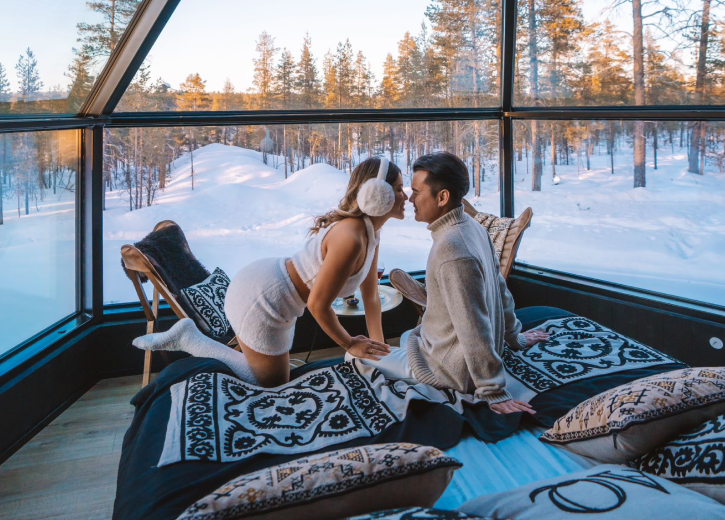
There is also a practical dimension. Many of the most meaningful Arctic experiences, such as aurora hunting, ice fishing, or simply watching the sky from a warm glass igloo, require time and presence rather than movement. The Arctic travel experience is, at its core, an invitation to stay still long enough to notice what is actually there.
How does slow tourism differ from traditional luxury travel?
Slow tourism prioritises depth of experience over breadth of destination, while traditional luxury travel typically focuses on premium services, exclusive access, and a high volume of curated activities delivered within a compressed timeframe. The distinction is not about spending less or doing less; it is about where the value is located and how it is experienced.
In traditional luxury travel, the product is often the hotel itself: the Michelin-starred restaurant, the spa, the concierge service, the thread count. The surrounding environment is a backdrop. In slow travel, the environment becomes the primary experience, and the accommodation exists to deepen access to it rather than distract from it.
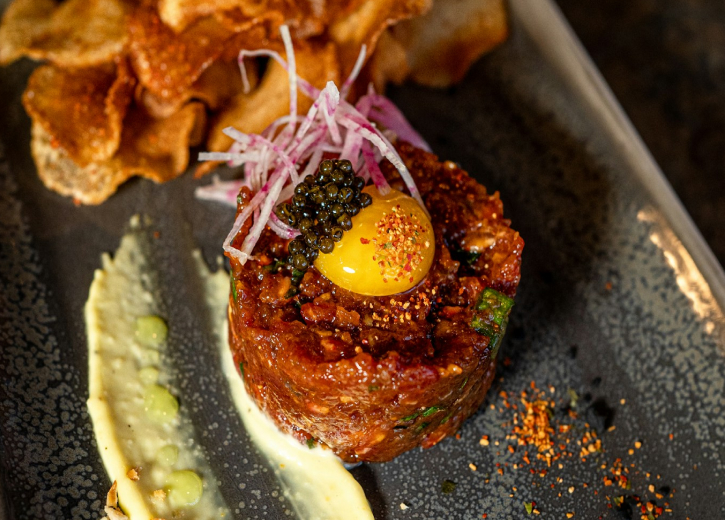
Slow travel also places a higher premium on local connection. Rather than importing a standardised luxury experience into a destination, slow tourism seeks to engage with what makes a place genuinely distinct: its food traditions, its people, its seasonal rhythms, its ecology. In Lapland, this might mean learning about Sámi reindeer herding culture, eating dishes built around locally sourced Arctic ingredients, or understanding what geothermal energy means in the context of building sustainably in the far north.
The pace of slow travel is also different in a psychological sense. Traditional luxury itineraries are often designed to eliminate any experience of waiting or uncertainty. Slow tourism, by contrast, accepts and even embraces uncertainty, because the most memorable moments in nature are precisely those that cannot be guaranteed or scheduled.
Can slow travel and high-end accommodation coexist?
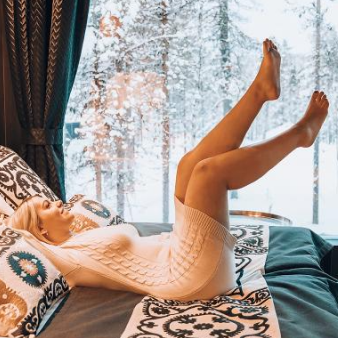
Yes, slow travel and high-end accommodation coexist very naturally, and in many Arctic destinations they are increasingly inseparable. The idea that slow tourism means roughing it or sacrificing comfort is a misconception. What slow travel rejects is not quality but excess, not comfort but distraction. A beautifully designed glass igloo with heated floors and panoramic views of the night sky is entirely compatible with a slow travel philosophy.
In fact, well-designed luxury accommodation can actively enhance slow travel by removing friction and allowing guests to be fully present. When you are warm, well-rested, and well-fed, you are far more capable of genuine stillness and attentiveness. The quality of the environment matters enormously when the goal is to spend extended time in it.
Sustainable luxury travel in the Arctic tends to express this balance well. Resorts built with solid wood, geothermal heating, and locally sourced materials reflect a design philosophy that aligns with slow travel values: respect for place, long-term thinking, and a commitment to quality over novelty. At Aurora Queen Resort, for example, each glass-ceiling igloo is designed precisely to maximise the connection between guest and the Arctic sky, making stillness the central luxury rather than an afterthought.
The key distinction is that slow-travel-aligned luxury removes the noise. It does not offer a packed programme of back-to-back activities, multiple dining venues, and constant entertainment. It offers depth, quiet, and the conditions for genuine experience.
What slow tourism experiences are available in Finnish Lapland?
Finnish Lapland offers a rich range of slow tourism experiences centred on natural immersion, cultural connection, and unhurried engagement with the Arctic landscape. These are not passive experiences; they require presence and attention, but they unfold at a pace that allows genuine absorption rather than mere observation.
Some of the most meaningful slow travel experiences in Lapland include:
- Aurora hunting: Guided excursions into dark, open terrain to observe the Northern Lights, requiring patience, silence, and the willingness to wait for nature to perform on its own terms.
- Reindeer farm visits: An opportunity to connect with one of Lapland’s oldest cultural traditions, learning about reindeer herding and the relationship between the land and the people who have lived on it for generations.
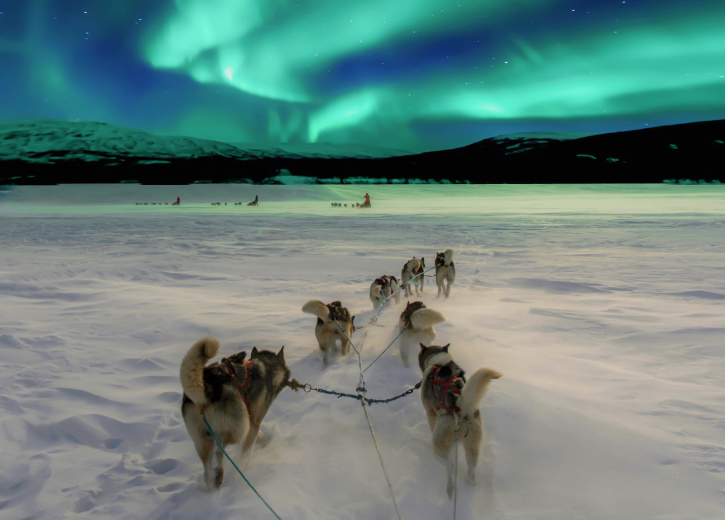
- Husky safaris: Travelling through the wilderness by dog sled at a pace that allows you to experience the landscape rather than pass through it.
- Ice fishing: A deeply meditative activity that requires stillness, patience, and an acceptance of uncertainty about outcomes.
- Reindeer sleigh rides: A quiet, unhurried way to move through the winter landscape, deeply tied to the cultural heritage of the region.
- Cross-country skiing: An immersive way to experience the terrain at a human pace, engaging the body while quieting the mind.
- Simply watching the sky: Spending time in a glass igloo or outdoors under the Arctic night sky, without agenda or schedule, is itself one of the most powerful slow travel experiences available anywhere in the world.
What unites all of these experiences is that they cannot be rushed without losing their essential quality. They reward the traveller who is willing to be present, patient, and genuinely open to what the Arctic has to offer through guided activities.
Is slow tourism better for the environment than traditional travel?
Slow tourism generally has a lower environmental impact than traditional travel, primarily because it involves fewer destinations, less frequent long-distance transport, and a stronger orientation toward local economies and ecosystems. When travellers spend more time in one place, they reduce the cumulative carbon cost of movement and are more likely to engage with local suppliers, guides, and producers.
In the context of Arctic travel, the environmental dimension carries particular weight. The Arctic is one of the most ecologically sensitive regions on the planet, and the way tourism is designed and delivered has real consequences for the landscapes and communities that make it worth visiting in the first place.
Eco-conscious travel in Finnish Lapland tends to favour small-scale, thoughtfully managed operations that limit their footprint. Geothermal heating, solid wood construction, locally sourced food, and low-density accommodation all reflect a philosophy that treats the natural environment as something to protect rather than consume. We built Aurora Queen Resort around these principles precisely because the thing that makes this place extraordinary is the thing most worth preserving.
It is worth noting that slow tourism is not automatically sustainable. A traveller who flies to Lapland and spends two weeks in one place still has a significant transport footprint. The environmental benefits of slow travel are most meaningful when combined with conscious choices about how you get there, what you eat, and how you engage with the local environment during your stay.
Who is slow tourism in the Arctic best suited for?
Slow tourism in the Arctic is best suited for travellers who prioritise depth of experience over volume of destinations, who are drawn to natural environments, and who are willing to surrender some degree of control in exchange for genuine wonder. It is particularly well-matched to adults seeking rest, reconnection, and a meaningful contrast to the pace of everyday life.
Couples looking for a romantic and restorative escape find the Arctic slow travel experience especially compelling. The combination of extraordinary natural beauty, intimate accommodation, and shared moments of stillness creates the conditions for a genuinely memorable trip. The absence of crowds, noise, and the constant stimulation of urban environments is itself a form of luxury for many travellers.
Solo travellers who value reflection and solitude are also well-suited to this kind of travel. The Arctic offers a rare quality of silence and space that is increasingly difficult to find, and slow tourism provides the framework to make the most of it.
Slow tourism in Lapland is less well-suited to travellers who need constant activity, social stimulation, or the reassurance of a tightly controlled itinerary. The uncertainty that makes the Northern Lights so magical is the same uncertainty that can feel uncomfortable for travellers who prefer predictability. Similarly, families with very young children may find the pace and the cold challenging, though families with children over ten who share an interest in nature and quiet adventure can find it deeply rewarding.
Ultimately, the traveller who gets the most from a slow tourism Arctic experience is one who arrives with openness rather than expectations, and who understands that the most extraordinary moments in Finnish Lapland are the ones that cannot be planned when you book your stay.