
Arctic nature transforms dramatically throughout the year, experiencing extreme variations in light, temperature, and landscape appearance. Unlike temperate regions with traditional four seasons, the Arctic undergoes distinct phases defined by polar night, explosive summer growth, and the interplay between darkness and continuous daylight. These seasonal shifts create remarkable natural phenomena and challenge wildlife to develop extraordinary survival adaptations.
What are the main seasons in the arctic and how do they differ from temperate climates?
Arctic seasons differ fundamentally from temperate climates through extreme light variations rather than gradual temperature changes. The year divides into polar night (kaamos), spring awakening, midnight sun period, and autumn transition. These phases are defined by the sun’s position relative to the horizon, creating periods of continuous darkness or daylight that don’t exist in lower latitudes.
In northern Finland, winter brings kaamos, when the sun barely rises above the horizon or disappears entirely for weeks. Temperatures can plunge to -30°C, and the landscape enters a state of deep dormancy. This darkness isn’t absolute though. The snow reflects available light, and the low sun creates extended twilight periods with beautiful blue hues.
Spring arrives suddenly rather than gradually. As daylight returns, temperatures remain cold, but the increasing light triggers rapid changes. Snow begins melting, ice cracks and shifts, and dormant life prepares for the brief growing season ahead. This transition happens faster than in temperate zones, compressing months of change into weeks.
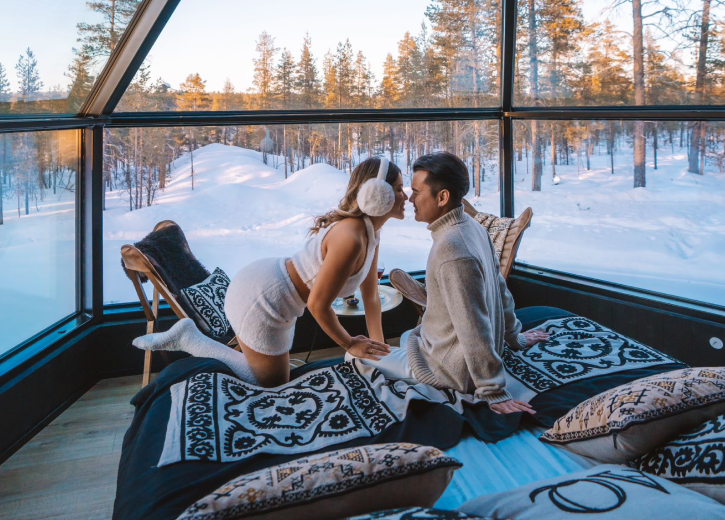
The midnight sun period transforms arctic nature completely. From late May through July, the sun never sets, creating continuous daylight. Plants grow rapidly, taking advantage of 24-hour photosynthesis. Temperatures rise to comfortable levels, though rarely exceeding 25°C. This period feels surreal to visitors accustomed to daily darkness, and places like Aurora Queen Resort offer ideal vantage points to experience this phenomenon.
Autumn brings ruska, when vegetation transforms into brilliant reds, oranges, and yellows. This spectacular colour display happens quickly, often within two weeks in September. As darkness returns, temperatures drop rapidly, and the first snows arrive. The transition back to winter is swift and decisive.
How does arctic wildlife adapt to extreme seasonal changes?
Arctic wildlife survives through remarkable physiological and behavioural adaptations including migration, hibernation, coat changes, and modified feeding patterns. These strategies allow animals to thrive despite temperature swings of 60°C between seasons and dramatic shifts between continuous darkness and daylight. Each species has evolved specific mechanisms to handle the challenges of arctic nature.
Reindeer demonstrate extraordinary adaptations to seasonal extremes. Their coat changes from thick winter insulation to lighter summer fur. Their hooves adapt too, becoming softer in summer for traction on tundra and harder in winter for digging through snow to reach lichen. They migrate seasonally, moving to different feeding grounds as conditions change.
The fox showcases one of nature’s most impressive transformations. Its coat shifts from brown or grey in summer to pure white in winter, providing camouflage year-round. This colour change is triggered by daylight duration rather than temperature. Their thick winter coat is so effective that they remain comfortable even at -40°C. During summer, they build fat reserves to survive leaner winter months.
Migratory birds follow the midnight sun, arriving in Lapland when continuous daylight allows round-the-clock feeding. Species like swans, geese, and numerous waders nest during the brief summer, taking advantage of abundant insects and plant growth. They depart before autumn, travelling thousands of kilometres to escape the harsh winter.
Some species enter dormancy or hibernation. Bears retreat to dens, lowering their metabolism dramatically. Smaller mammals like lemmings remain active under the snow, creating tunnel systems that protect them from predators and extreme cold. This subnivean zone maintains relatively stable temperatures even when surface conditions are brutal.
What happens to the arctic landscape as seasons change?
The arctic landscape undergoes dramatic visual and physical transformations through seasonal cycles, shifting from snow-covered white expanses to vibrant green summers and colourful autumn displays. Snow cover, ice formation, vegetation cycles, and the interplay of light create distinct seasonal appearances that captivate anyone experiencing northern Finland’s natural environment throughout the year.
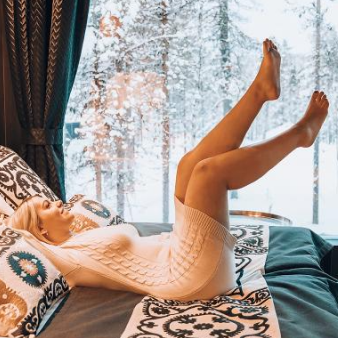
Winter transforms the landscape into a monochromatic world. Snow blankets everything, creating smooth contours that hide summer’s details. Lakes and rivers freeze solid, becoming highways for winter activities. The limited light during kaamos creates subtle colour gradations, from deep blue twilight to pink and purple horizons. Frost decorates trees in intricate patterns, and ice crystals sparkle in the cold air.
Spring breakup is dramatic and sometimes violent. Ice on rivers cracks and shifts, creating impressive ice jams. Meltwater flows everywhere, temporarily flooding low areas. The snow recedes unevenly, creating patchwork patterns of white and brown. Exposed ground appears lifeless initially, but closer inspection reveals buds preparing to burst and early flowers pushing through remaining snow.
Summer brings explosive growth. The tundra and forests transform into lush green landscapes within weeks. Wildflowers bloom in profusion, taking advantage of the brief growing season. Marshes and wetlands teem with life. The midnight sun illuminates everything with golden light that shifts in quality but never disappears, creating surreal atmospheric conditions that change the landscape’s appearance hourly.
Autumn’s ruska is perhaps the most visually striking transformation. Birch trees turn golden yellow, while ground vegetation shifts to deep reds and oranges. This happens because plants rapidly withdraw chlorophyll before winter, revealing other pigments. The colour intensity is enhanced by cool nights and sunny days. Within weeks, leaves fall, and the first snows return, beginning the cycle again.
When can you experience the northern lights and midnight sun in Lapland?
The northern lights appear from September through March, while the midnight sun occurs from May to July in Lapland. These phenomena result from Earth’s axial tilt and position relative to the sun. The northern lights require darkness, making winter ideal, whilst the midnight sun defines summer. Transition seasons offer unique atmospheric experiences between these extremes.
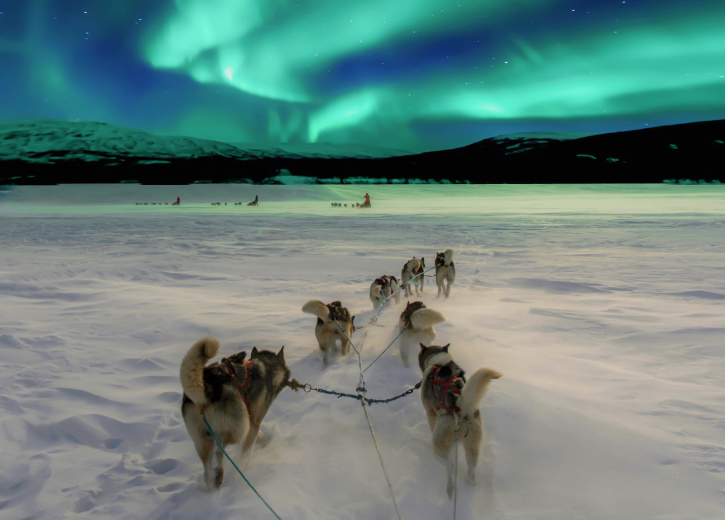
The northern lights season begins as darkness returns in late August and September. Early season displays can be spectacular because temperatures are milder, making viewing more comfortable. Peak aurora activity occurs around the equinoxes in September and March, though displays happen throughout winter. December through February offers the longest darkness periods, providing maximum viewing opportunities despite colder conditions.
Clear, dark skies are essential for aurora viewing. Cloud cover blocks the display, and light pollution diminishes visibility. The best experiences happen away from settlements on clear nights when solar activity is elevated. The lights appear as green, pink, or purple curtains dancing across the sky, sometimes moving slowly, other times rapidly shifting and pulsing.
The midnight sun period begins in May when the sun stops setting completely. The exact dates depend on latitude, with more northern locations experiencing longer periods of continuous daylight. In northern Finland, this phenomenon lasts from late May through July. The sun circles the horizon, dipping lowest around midnight but never disappearing, creating perpetual golden-hour lighting conditions.
Transition seasons offer their own magic. April features lengthening days with spectacular light quality as the sun returns. August combines returning darkness with lingering warmth, creating conditions where you might see the first auroras while still enjoying comfortable temperatures. These shoulder seasons provide a balance between the extremes that define arctic nature throughout the year.