
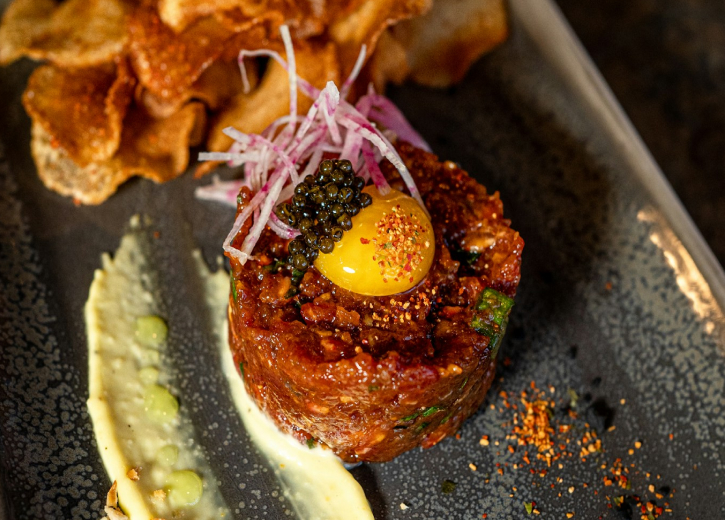
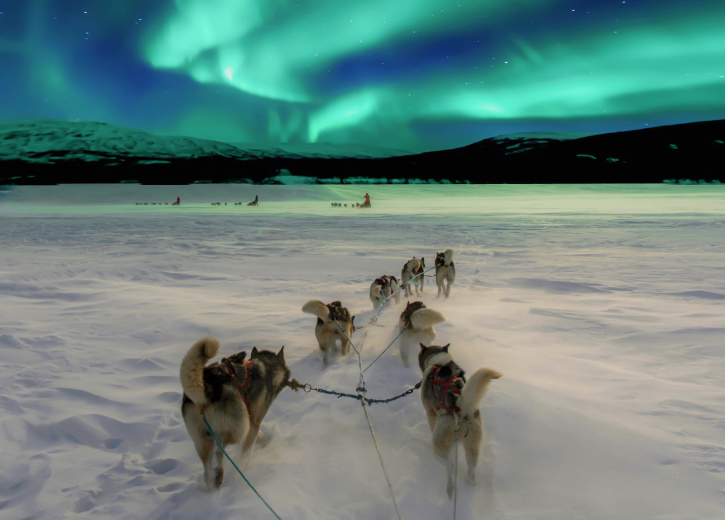

Arctic foraging shapes Nordic restaurant menus by directly supplying wild, seasonal ingredients that define the flavour identity of the cuisine. Chefs across the Nordic region, and especially in Finnish Lapland, build their menus around what the surrounding landscape offers at any given time of year, from spring’s first green shoots to autumn’s abundance of berries and mushrooms. The questions below unpack exactly how this works, ingredient by ingredient and season by season.
What wild ingredients do Nordic chefs forage in the Arctic?
Nordic chefs forage a wide range of wild ingredients in the Arctic, including cloudberries, lingonberries, bilberries, wild mushrooms such as chanterelles and porcini, spruce shoots, nettles, wood sorrel, Arctic thyme, and birch leaves. In Finnish Lapland specifically, the short but intense growing season produces ingredients of exceptional concentration and flavour, shaped by long summer daylight hours and clean, mineral-rich soil.
Berries are among the most prized foraged ingredients in the Arctic. Cloudberries, known locally as lakka, ripen briefly in late summer in boggy, open terrain and carry a sharp, honey-like sweetness that is almost impossible to replicate with cultivated fruit. Lingonberries, which grow across the boreal forest floor, offer a tartness that pairs naturally with game and root vegetables. Bilberries, smaller and more intensely flavoured than cultivated blueberries, are used in everything from sauces to desserts.
Wild mushrooms form another cornerstone of Arctic foraging. Chanterelles thrive on the mossy forest floors of Lapland after summer rains, offering a buttery, slightly peppery flavour. Porcini mushrooms, found in older birch and pine forests, bring depth and earthiness to broths and slow-cooked dishes. Because the Arctic growing window is narrow, mushroom season is treated with real urgency by chefs who want to preserve or use them at peak quality.
Beyond berries and mushrooms, Nordic chefs forage a surprising variety of plants. Young spruce tips harvested in early spring carry a citrusy, resinous note that works well in oils, vinegars, and desserts. Nettles, gathered before they flower, are rich and mineral in flavour. Wild herbs like Arctic thyme and yarrow add aromatic complexity that cultivated herbs simply cannot match. Birch leaves and birch sap, tapped in early spring, offer a delicate, slightly sweet flavour used in drinks and light sauces.
How do foraged ingredients influence the flavour profile of Nordic dishes?
Foraged ingredients give Nordic dishes a flavour profile that is simultaneously wild, clean, and deeply regional. Because Arctic plants grow slowly in cold, nutrient-rich environments, they develop more concentrated natural compounds, producing more intense acidity, bitterness, sweetness, and aroma than their cultivated counterparts. This intensity is a defining characteristic of authentic Nordic cuisine.
The influence shows up most clearly in how Nordic chefs use contrast. A dish built around reindeer or elk will often include a sharp lingonberry reduction to cut through the richness of the meat. A creamy potato preparation might be finished with wood sorrel or foraged herbs to introduce brightness. The wild ingredients are rarely decorative; they are structural, providing the acidity, bitterness, or aromatic lift that balances the dish as a whole.
Fermentation and preservation also play a significant role in how foraged flavours carry through a menu. Berries picked at peak ripeness are often fermented, dried, or made into preserves, allowing chefs to use their flavour profiles throughout the year. This means that even in the depths of a Lapland winter, a Nordic menu can carry the memory of summer’s harvest in a sauce, a glaze, or a garnish. The result is a cuisine that feels connected to its landscape in every season, not just when fresh produce is available.
Why do Nordic menus change so dramatically with the seasons?
Nordic menus change dramatically with the seasons because the Arctic landscape itself changes dramatically, and the cuisine is built around what is actually growing, running, or swimming at any given time. Unlike food cultures that rely heavily on imported or year-round cultivated produce, Nordic cooking treats the local seasonal calendar as the primary menu-planning tool. When the season shifts, the menu shifts with it.
In Finnish Lapland, the seasonal transitions are extreme. Spring brings a sudden burst of forageable green plants after months of snow cover. Summer’s near-constant daylight accelerates the growth of berries, mushrooms, and wild herbs in a concentrated window of just a few weeks. Autumn is the richest season for mushrooms and late berries, while winter shifts the focus toward preserved, fermented, and smoked ingredients alongside freshwater fish caught through the ice.
This seasonal rhythm is not a marketing concept for Nordic restaurants; it is a practical and philosophical reality. Chefs who source from the land around them have no choice but to follow its pace. The result is that a Nordic menu in June and a Nordic menu in November can look almost entirely different while remaining rooted in the same culinary tradition. For diners, this creates a genuine reason to return at different times of year, because the experience of the food and the landscape is never quite the same twice.
At Aurora Queen Resort, our AQ Restaurant follows this same seasonal logic, building its Nordic menu around locally sourced ingredients that reflect what Finnish Lapland is offering at the time of your visit. Dining here in the blue light of a winter evening is a genuinely different experience from dining beneath the midnight sun in summer, whether you are staying in one of our unique igloo accommodation options in Lapland or elsewhere on the resort.
What’s the difference between foraging and locally sourced ingredients on a Nordic menu?
The key difference between foraging and locally sourced ingredients on a Nordic menu is origin and method of procurement. Foraged ingredients are harvested directly from the wild, gathered by hand from forests, bogs, and riverbanks, with no cultivation involved. Locally sourced ingredients are produced within the region, whether on farms, in fisheries, or by small-scale producers, but they are grown or raised rather than found in a natural, unmanaged landscape.
Both categories are central to Nordic cuisine, but they serve different functions on a menu. Locally sourced ingredients provide the reliable, consistent backbone of a dish: reindeer from a nearby farm, root vegetables from a local grower, freshwater fish from regional lakes. These ingredients can be planned around and ordered in advance. Foraged ingredients, by contrast, are inherently unpredictable. A chef cannot order chanterelles the way they order carrots; they depend on weather, season, and what the land is willing to give.
This unpredictability is part of what makes foraged ingredients so valued in Nordic cooking. They carry a sense of place and moment that cultivated produce cannot replicate. When a dish includes cloudberries that were hand-picked from a specific bog in Lapland, that specificity is part of the flavour and the story. Locally sourced ingredients ground the menu in the region; foraged ingredients connect it directly to the wild landscape.
In practice, the best Nordic menus use both in conversation with each other. A locally farmed piece of reindeer might be served with a foraged mushroom sauce and a cultivated root vegetable puree, each element contributing something the others cannot. The interplay between the farmed and the wild is itself a reflection of how people in the Nordic region have always related to their environment.
How do Arctic restaurants balance foraging with sustainability?
Arctic restaurants balance foraging with sustainability by following strict principles of selective harvesting, avoiding over-picking in any single area, rotating foraging locations, and never taking more than the landscape can naturally replenish. In Finnish Lapland, the everyman’s right, known in Finnish as jokamiehenoikeus, grants everyone the right to forage freely, but responsible chefs treat this as a privilege that requires restraint rather than a licence to harvest without limit.
Sustainability in Arctic foraging also means understanding the ecology of the ingredients being harvested. Picking mushrooms by cutting at the stem rather than uprooting them allows the mycelium to continue producing. Harvesting berries by hand rather than stripping entire branches protects the plant and leaves food for the fox and other wildlife that depend on the same resources. These are not abstract principles; they are practical habits passed down through generations of people who live close to the land.
For restaurants operating in sensitive Arctic environments, sustainability extends beyond the act of foraging itself. It includes how ingredients are transported, stored, and used, with a strong emphasis on minimising waste by preserving, fermenting, and using every part of an ingredient. A chanterelle that cannot be used fresh might be dried for winter use. Cloudberry seeds left over from a dessert preparation might be pressed for oil. This whole-ingredient approach reduces the pressure to forage in larger quantities than the landscape can support.
At Aurora Queen Resort, sustainability is a core part of how we operate, from our use of geothermal heating to our commitment to sourcing ingredients that reflect and respect the Lapland environment. The same care we put into our accommodation extends to the food we serve, because the landscape that makes this place extraordinary is worth protecting in every decision we make. Guests who want to experience that landscape directly can explore our outdoor activities and Arctic experiences in Lapland, or check availability and book your stay at Aurora Queen Resort to plan a visit around the season that calls to you.