
Preparing for extreme cold weather activities in Lapland requires strategic layering, proper gear, and safety knowledge. The key is a three-layer clothing system, understanding actual temperature conditions (often -15°C to -30°C), carrying essential safety equipment, protecting vulnerable body areas, and having activity-specific gear. While challenging, with proper preparation, Lapland’s winter wilderness offers unforgettable experiences amidst the snow-covered landscape.
What clothing layers work best for extreme cold in Lapland?
The optimal clothing approach for Lapland’s extreme cold is a three-layer system: moisture-wicking base layers, insulating mid-layers, and protective outer shells. This combination manages perspiration, traps body heat, and shields against wind and snow – essential for both comfort and safety when temperatures plummet below -20°C during winter activities.
Your base layer should consist of merino wool or synthetic thermal underwear that sits against your skin. These fabrics effectively wick moisture away from your body, preventing the dangerous cooling effect that occurs when sweat freezes. Cotton should be strictly avoided as it retains moisture and quickly becomes cold when wet.
For mid-layers, focus on insulation with fleece, down, or synthetic fill garments. We recommend multiple thinner mid-layers rather than a single thick one, as this creates air pockets that trap heat more effectively and allows for adjustment based on activity level. Wool sweaters also work brilliantly here, providing warmth even if they become slightly damp.
The outer layer must be windproof and waterproof while remaining breathable. Look for technical shells with features like sealed seams, storm flaps over zips, and adjustable hoods and cuffs. This layer protects your insulation from Lapland’s elements while allowing excess heat and moisture to escape, preventing overheating during active periods.
Remember that proper layering isn’t just about piling on clothes – it’s about creating a microclimate that maintains your body temperature regardless of external conditions or activity levels. The ability to add or remove layers as needed is crucial during outdoor adventures in Lapland’s varied winter conditions.
How cold does it actually get in Lapland during winter activities?
Winter temperatures in Lapland typically range from -10°C to -30°C between December and March, with January and February being the coldest months. However, during cold snaps, temperatures can drop below -40°C, particularly in inland areas away from the moderating effects of the Baltic Sea. These readings represent only part of the story – the actual felt temperature is often significantly colder.
The windchill effect dramatically alters how cold it feels during outdoor activities. Even a gentle 15 km/h breeze can make a -20°C day feel like -30°C due to increased heat loss from your skin. This is particularly noticeable during activities like snowmobiling or skiing, where your movement creates additional wind resistance.
Daytime conditions in Lapland vary based on several factors. During the brief daylight hours (roughly 10:00-14:00 in midwinter), temperatures might rise slightly, especially on sunny days when the snow reflects warmth. However, once the sun sets, temperatures can rapidly drop by 5-10°C within an hour.
The region also experiences significant temperature variations based on the specific location. Near the coast, temperatures tend to be milder but often more humid (creating a different kind of cold that can feel more penetrating). Inland areas and higher elevations typically record the lowest temperatures but often feature the driest air.
While these temperatures may sound extreme, with proper preparation, they’re entirely manageable. The dry cold of Lapland often feels less severe than the damp cold of countries with higher humidity at similar temperatures. Many of our guests find that the crisp, clean air and the special quality of light during these cold periods create a magical atmosphere that makes winter activities all the more memorable.
What safety precautions should you take before venturing into Lapland’s wilderness?
Before exploring Lapland’s winter wilderness, always inform someone of your planned route and expected return time, carry reliable communication devices, pack emergency supplies, monitor weather forecasts, and consider engaging local guides for unfamiliar terrain. These fundamental safety protocols are essential when venturing into remote areas where conditions can change rapidly and help might be hours away.
Trip planning is your first safety measure. Create a detailed itinerary including your route, stopping points, and estimated return time. Share this with your accommodation provider or a trusted contact who can alert authorities if you don’t return as scheduled. For extended journeys, establish check-in times to confirm your progress.
Reliable communication equipment is non-negotiable in Lapland’s wilderness. Mobile coverage can be spotty in remote areas, so consider carrying a satellite phone or personal locator beacon for emergencies. Keep devices warm (close to your body) to preserve battery life, which diminishes quickly in extreme cold.
Essential navigation tools should include a physical map and compass as backups to GPS devices, which can fail in cold conditions. Learn to recognize key landmarks and understand how to orient yourself if visibility decreases suddenly – a common occurrence during snow showers.
Your emergency kit should contain a first aid kit, fire-starting materials in waterproof containers, a survival blanket, high-energy food, and a thermos with hot liquid. A folding snow shovel and extra layers are also vital. These items can sustain you if you need to shelter in place during unexpected weather changes.
For those unfamiliar with winter wilderness travel, engaging local guides significantly enhances safety. They possess invaluable knowledge about terrain, wildlife behavior (including foxes), weather patterns, and emergency procedures specific to the region. Their expertise transforms potentially dangerous situations into safe, educational experiences.
How do you protect exposed skin and prevent frostbite during outdoor activities?
To protect against frostbite in Lapland’s extreme cold, cover all exposed skin with appropriate gear, apply suitable moisturizers, maintain circulation through movement, recognize early warning signs like numbness or skin discoloration, and employ proper warming techniques for affected areas. These measures are crucial as frostbite can occur in minutes when temperatures drop below -15°C, particularly on windy days.
Your face protection strategy should include a balaclava or face mask that covers your nose, cheeks, and chin, leaving minimal skin exposed. For extremely cold conditions, apply a thin layer of cold-weather face cream (not water-based moisturizer, which can freeze). Ski goggles protect the delicate skin around your eyes while also preventing snow blindness.
Hand protection requires a two-layer approach: thin liner gloves beneath insulated, waterproof mittens. Mittens are significantly warmer than fingered gloves as they allow fingers to share heat. For activities requiring dexterity, use specially designed arctic work gloves and keep mittens accessible for rest periods. Hand warmers placed in mittens provide additional protection for those with poor circulation.
For foot protection, wear moisture-wicking liner socks beneath thick wool or synthetic socks, ensuring they’re not so tight that they restrict blood flow. Properly fitted winter boots should allow room for air insulation. When static for extended periods, periodically wiggle toes and shift weight between feet to maintain circulation.
Learn to recognize frostbite warning signs: numbness, skin discoloration (white, grayish-yellow, or reddened), and waxy or firm-feeling skin. Initial stinging or burning sensations often precede numbness – never ignore these signals. If symptoms appear, seek shelter immediately and warm the affected area gradually with body heat (such as placing hands under armpits). Never rub frostbitten skin or apply direct heat, as this can cause further damage.
Maintaining proper hydration and nutrition also plays a vital role in preventing cold injuries. Well-fueled bodies generate more heat, so eat energy-rich foods regularly during outdoor activities and drink warm fluids to maintain core temperature.
What specialized gear do you need for different Lapland winter activities?
Different Lapland winter activities require specialized equipment beyond basic cold-weather clothing. For northern lights viewing, you’ll need camera gear with manual settings, a sturdy tripod, and extra batteries. Snowshoeing demands lightweight, modern snowshoes with adjustable bindings, while cross-country skiing requires properly sized skis, boots, and poles. Ice fishing necessitates an ice auger, fishing gear, and portable shelter options for longer sessions.
For northern lights viewing, thermal insulation becomes particularly important as you’ll often be stationary for extended periods. Beyond camera equipment, pack a headlamp with a red-light mode (to preserve night vision), a thermos with hot drinks, and insulated sitting pads to prevent heat loss when seated on snow. Some photographers also use chemical hand warmers specifically designed for camera batteries, which drain rapidly in sub-zero temperatures.
Snowshoeing adventures require adjustable trekking poles with snow baskets for stability. Modern aluminum-frame snowshoes with aggressive crampons provide traction on varied terrain, including Lapland’s hilly forests. Gaiters prevent snow from entering your boots, while lightweight waterproof backpacks carry essential safety gear and refreshments. The beauty of snowshoeing lies in accessing pristine wilderness areas where you might spot local wildlife like foxes or reindeer.
For cross-country skiing, the classic technique is most accessible for beginners exploring Lapland. Beyond skis and poles, carry ski wax appropriate for the current temperature conditions, as proper wax application dramatically improves glide and grip. Lightweight layers that vent excess heat are essential, as cross-country skiing generates significant body heat. A small repair kit with spare parts can prove invaluable on longer trails.
Ice fishing equipment should include an ice scoop for clearing holes, ice cleats for traction, and a waterproof seat. Purpose-built ice fishing rods are shorter than standard rods for better control. For comfort during longer sessions, portable windbreaks or pop-up shelters create a microclimate that can be 10-15°C warmer than outside conditions. A depth sounder helps locate productive fishing spots on unfamiliar lakes.
Regardless of your chosen activity, all winter adventures in Lapland benefit from high-quality eye protection. The combination of intense sunlight and snow reflection can cause snowblindness, making polarized sunglasses or goggles essential even on cloudy days. The breathtaking winter landscape of Lapland, with its snow-laden trees and pristine wilderness, creates the perfect backdrop for unforgettable winter activities when you’re properly equipped.
Ready to Experience Lapland’s Winter Adventures?
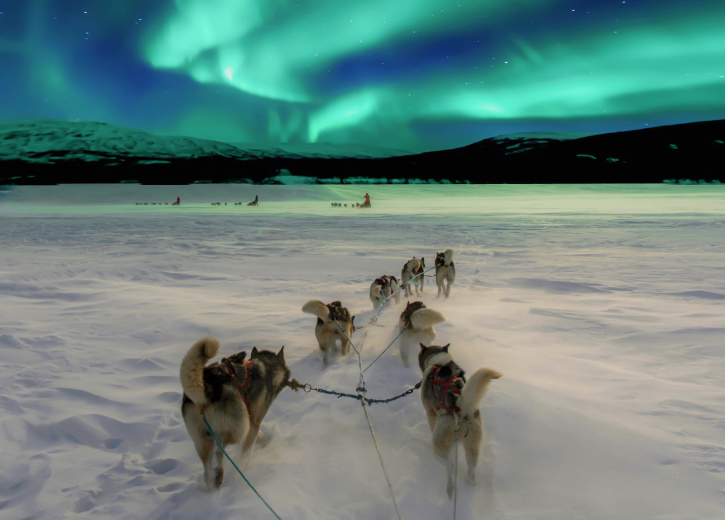
Now that you’re familiar with how to prepare for Lapland’s extreme conditions, it’s time to discover the incredible winter activities awaiting you! From exhilarating snowmobile safaris and husky sledding to peaceful snowshoeing expeditions and magical northern lights hunts, Aurora Queen Resort offers unforgettable arctic experiences for every adventurer. Our professional guides ensure both your safety and enjoyment throughout each activity, providing all specialized equipment needed for your winter adventure.
Explore our full range of winter activities and start planning your perfect Lapland adventure today. With proper preparation and our expert guidance, you’ll create memories that last a lifetime in the pristine winter wonderland of Finnish Lapland.