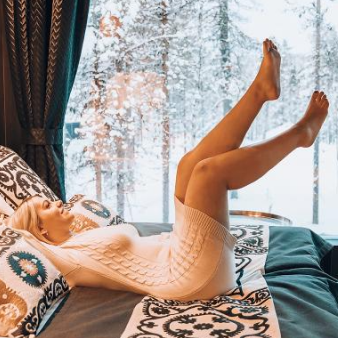

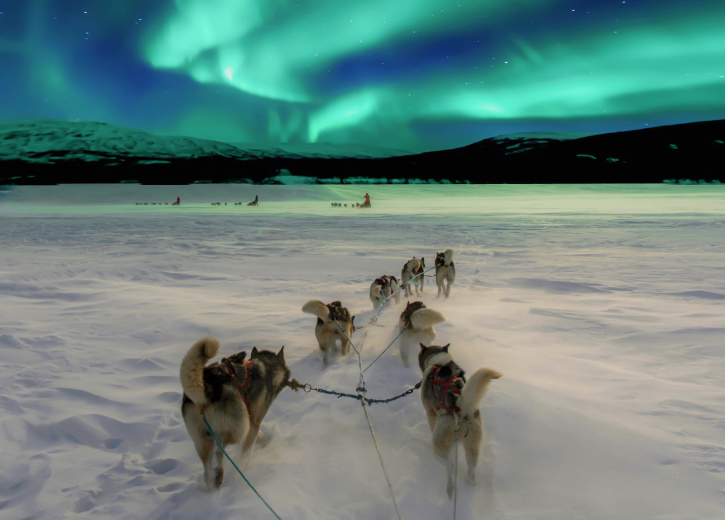
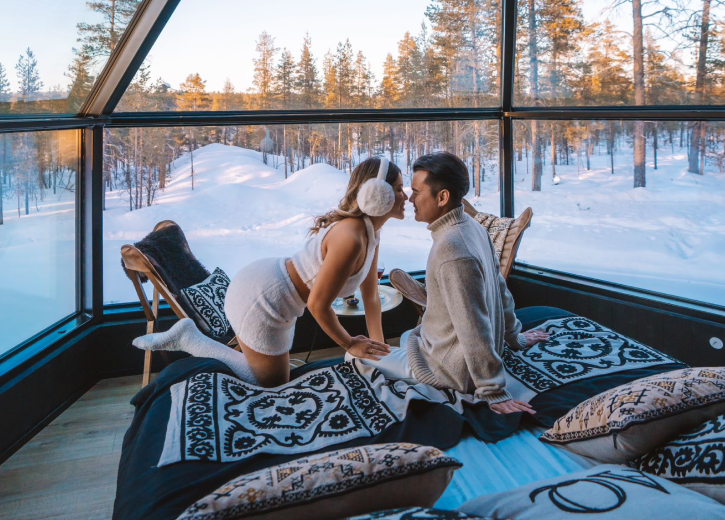
Saariselkä experiences extremely cold temperatures during winter, typically ranging from -10°C to -20°C between December and March, with nighttime temperatures frequently dropping to -30°C. The coldest months are January and February, when temperatures can plummet to -40°C during severe cold spells. Despite these frigid conditions, the area’s dry climate often makes the cold feel less harsh than in more humid regions. The winter season also brings the magical Kaamos period (polar night) when the sun doesn’t rise above the horizon, creating perfect conditions for northern lights viewing.
Understanding winter temperatures in Saariselkä
Saariselkä sits approximately 250 kilometers north of the Arctic Circle in Finnish Lapland, making it one of Europe’s northernmost travel destinations. This remote location creates a subarctic climate characterized by long, severe winters and short, mild summers. Winter in Saariselkä officially begins in late October and extends well into April, with snow cover typically lasting 175-200 days annually.
The region experiences the polar night phenomenon, called Kaamos in Finnish, when the sun doesn’t rise above the horizon for about a month between December and January. This creates uniquely beautiful blue twilight hours during daytime and increases opportunities for aurora viewing. The extreme northern location also means that temperature fluctuations can be dramatic, sometimes shifting by 10-15°C in a single day.
Winter visitors should prepare for consistent sub-zero temperatures, though the crisp, dry air often makes the cold more manageable than the damp chill experienced in more southern locations.
How cold does Saariselkä get in winter?
Saariselkä’s winter temperatures typically range from -10°C to -20°C (14°F to -4°F) during December through March, with January and February being the coldest months. Nighttime temperatures regularly drop to -25°C to -30°C (-13°F to -22°F), while daytime temperatures hover around -15°C (5°F) when there’s sunlight.
Extreme cold spells can push temperatures down to -40°C (-40°F), though these severe conditions usually last only a few days at a time. The record low temperature recorded in the area is approximately -50°C (-58°F), though such extremes are rare.
It’s worth noting that Saariselkä’s climate features relatively low humidity, which makes the cold feel less penetrating than in coastal areas. The wind chill factor can significantly affect how cold it feels, particularly in open areas. Protected forest locations often feel several degrees warmer than exposed fells.
Temperatures begin to moderate slightly by late March, though winter conditions persist well into April with average temperatures still below freezing.
What is the best time to see northern lights in Saariselkä?
The optimal period for northern lights viewing in Saariselkä spans from late August through early April, with peak conditions occurring between November and February when darkness is most prevalent. The polar night period in December and January provides excellent viewing opportunities as complete darkness lasts for nearly 24 hours, maximizing the chance to spot auroras whenever skies are clear.
Clear, cold nights offer the best visibility for the northern lights. The crisp winter temperatures actually create ideal conditions, as cold air tends to contain less moisture, resulting in clearer skies. The best viewing typically occurs between 10 PM and 2 AM, though auroras can appear anytime during dark hours.
When staying in glass-ceiling accommodations, you can enjoy the spectacular light show from the warmth and comfort of your bed—a particular advantage during the coldest winter nights when temperatures drop well below -20°C. For outdoor viewing, brief exposure to the cold is often rewarded with more panoramic views, especially from elevated locations away from artificial light.
Local weather forecasts and aurora apps can help predict visibility and aurora activity, allowing you to plan your viewing for the most promising nights during your stay.
What should I pack for a winter trip to Saariselkä?
For Saariselkä’s winter conditions, proper layering is essential. Start with thermal base layers made of merino wool or synthetic materials that wick moisture away from your skin. Add an insulating mid-layer such as a fleece or down jacket, topped with a windproof and waterproof outer shell. Avoid cotton clothing as it retains moisture and can quickly make you feel cold.
Essential items include:
- Insulated, waterproof winter boots rated for temperatures of -30°C or lower
- Thermal socks (pack multiple pairs)
- Insulated waterproof gloves or mittens (mittens are warmer)
- Thermal underwear (top and bottom)
- Wool or fleece mid-layers
- Waterproof, insulated winter jacket and trousers
- Warm hat that covers your ears
- Neck gaiter or scarf
- Balaclava or face mask for extreme cold days
Additional recommended items include hand and foot warmers, lip balm and moisturizer for dry skin, sunglasses (winter sun reflection on snow can be intense), a headlamp for dark winter days, and a thermos for hot drinks during outdoor adventures.
While we can provide thermal overalls for outdoor activities, having your own properly layered clothing ensures comfort throughout your entire stay, whether you’re inside enjoying the views or exploring outdoors.
Can you enjoy outdoor activities in Saariselkä’s winter cold?
Absolutely! Despite the frigid temperatures, Saariselkä offers numerous exhilarating winter activities that are specifically designed to be enjoyed in cold conditions. The key to comfortable outdoor experiences is proper clothing, realistic time expectations, and matching activities to weather conditions.
Popular winter activities include:
- Cross-country skiing on well-maintained trails through snow-covered forests
- Snowshoeing adventures that allow you to explore untouched winter landscapes
- Northern lights safaris (guided excursions to optimal viewing locations)
- Husky sledding experiences
- Reindeer farm visits and sleigh rides
- Snowmobiling through Lapland’s wilderness
- Ice fishing on frozen lakes
- Downhill skiing at Finland’s northernmost ski resort
Most guided activities include thermal clothing if needed, and excursions are thoughtfully timed to prevent excessive cold exposure. Warm breaks with hot beverages are typically incorporated into longer outings. When temperatures drop below -25°C, outdoor activities may be modified or rescheduled for safety and comfort.
Between outdoor adventures, the cozy warmth of your accommodation provides the perfect balance to the winter chill, allowing you to experience the magical winter landscape without discomfort.
Key takeaways about Saariselkä’s winter climate
Understanding Saariselkä’s winter climate helps you prepare for an unforgettable Arctic experience. Expect consistent temperatures between -10°C and -30°C from December through March, with the coldest periods typically occurring in January and February. The region’s dry climate often makes these temperatures more manageable than similar readings in more humid areas.
For northern lights viewing, plan your visit between November and February to maximize darkness hours, with clear, cold nights offering the best visibility. Pack appropriate layered clothing with thermal base layers, insulating mid-layers, and weatherproof outer shells to stay comfortable.
Despite the cold, numerous winter activities are safely enjoyable with proper preparation. Most activities can be adjusted based on daily weather conditions, and indoor warming breaks provide necessary relief during extended outdoor experiences.
The unique combination of extreme cold, pristine snow, and the mystical blue light of polar twilight creates a truly magical winter landscape unlike anywhere else. By embracing rather than fearing the cold, you’ll discover the authentic beauty of Finnish Lapland in its most characteristic season, creating memories that will last long after you’ve warmed up.