
Northern Finland experiences severe winter cold with temperatures typically ranging from -10°C to -20°C between December and February, often dropping below -30°C during cold snaps. Daytime highs rarely exceed -5°C in the heart of winter, while nighttime lows frequently reach -25°C or colder. The polar night period, when the sun doesn’t rise above the horizon, contributes to these frigid conditions by eliminating solar warming for several weeks.
How cold does Northern Finland get in winter?
Northern Finland experiences remarkably cold winters with average temperatures ranging from -10°C to -20°C during December through February. Daytime temperatures typically hover between -7°C and -15°C, whilst nighttime temperatures commonly plunge to between -15°C and -25°C, with colder periods dropping below -30°C.
The unique phenomenon of kaamos, or polar night, significantly influences these temperature patterns. For roughly two months in the far north of Finland, the sun doesn’t rise above the horizon. This absence of sunlight prevents any daytime warming, creating consistently cold conditions. During this period, the landscape is bathed in a beautiful blue twilight for just a few hours each day.
Despite these frigid temperatures, the air in Northern Finland tends to be very dry, which can make the cold feel somewhat less biting than humid cold elsewhere. However, when the wind picks up, the windchill factor can make temperatures feel significantly colder than thermometer readings suggest.
Interestingly, these cold conditions create the perfect environment for winter wildlife. You might spot a fox darting across the snow, its thick winter coat perfectly adapted to these extreme temperatures. These animals have evolved remarkable strategies to thrive in conditions that humans find challenging.
What are the coldest months in Northern Finland?
January and February stand as the coldest months in Northern Finland, with January typically recording the most extreme temperatures. Average January temperatures in northern regions like Inari and Sodankylä range from -14°C to -17°C, with nighttime lows regularly dropping below -25°C.
The winter cold begins to establish itself in November, when average temperatures fall below freezing and remain there until April. December sees a sharp decline in temperatures, but the most sustained and extreme cold occurs in the middle of winter. By late February, though still very cold, the region begins to experience slightly longer daylight hours, which can lead to modest temperature increases on sunny days.
Temperature patterns throughout the winter season follow a fairly predictable curve, with the coldest periods typically occurring between mid-January and early February. During these weeks, cold air masses from Siberia and the Arctic Ocean can bring extended periods of temperatures below -30°C.
February holds the distinction for many of the coldest recorded temperatures in the region, though January isn’t far behind. Snow cover, which typically reaches its maximum depth in March, provides insulation that actually prevents temperatures from dropping even lower. Without this protective snow layer, the ground would radiate heat more quickly, leading to even more extreme cold.
How does Northern Finland’s winter compare to other cold regions?
Northern Finland’s winters are certainly severe, but they’re generally less extreme than those in Siberia, parts of Alaska, and northern Canada. While Finnish Lapland typically sees winter temperatures between -10°C and -20°C, interior Siberia regularly experiences -30°C to -40°C during winter months, with some areas recording temperatures below -50°C.
What makes Finnish Lapland’s climate unique is its combination of cold temperatures with relatively stable weather patterns. Unlike Alaska or Canada’s northern territories, which can experience dramatic temperature swings and blizzard conditions, Northern Finland tends to have more consistent conditions. The Gulf Stream’s influence, despite Finland’s northern latitude, helps moderate the climate somewhat compared to regions at similar latitudes in Russia and North America.
Another distinctive aspect of Northern Finland’s winter is its reliable snow cover. While many cold regions experience periods of bare ground despite freezing temperatures, Finnish Lapland maintains substantial snow coverage throughout winter, typically from November through April. This consistent snow cover creates ideal conditions for winter activities and wildlife like the fox, which changes its coat colour for winter camouflage.
The quality of cold in Finnish Lapland is also noteworthy. The region’s low humidity creates a dry cold that many visitors find more tolerable than the damp cold experienced in more maritime climates. This dry air contributes to the formation of spectacular winter phenomena like diamond dust – tiny ice crystals that float in the air and create stunning light effects.
What extreme temperatures have been recorded in Northern Finland?
The coldest officially recorded temperature in Northern Finland reached a bone-chilling -51.5°C at Kittilä in January 1999, marking one of Europe’s most extreme cold events. Several other locations in Finnish Lapland have recorded temperatures below -45°C during particularly severe cold snaps, typically occurring between January and February.
Extreme cold events with temperatures below -40°C occur almost annually somewhere in Northern Finland, though they typically last only a few days. These events usually happen during clear, calm conditions when cold Arctic air masses settle over the region. Such extreme cold is more common in valley locations where the heavy cold air pools in low-lying areas.
Historical records show that while extreme cold remains a feature of Northern Finland’s climate, the frequency of temperatures below -40°C has slightly decreased over recent decades. Climate data indicates a gradual warming trend, with the most pronounced changes occurring in winter months. However, significant year-to-year variations continue, and extremely cold winters still occur.
These temperature extremes create unique natural phenomena. At temperatures below -30°C, trees can experience “frost cracking” – where the sap inside freezes and expands, creating loud popping sounds in the forest. This extreme cold also affects wildlife; even the hardy fox must find shelter during the coldest periods, often burrowing into snow drifts for insulation.
How should visitors prepare for Northern Finland’s winter temperatures?
Proper layering is absolutely essential for comfort in Northern Finland’s winter climate. Start with a moisture-wicking base layer of merino wool or synthetic materials, add an insulating middle layer of fleece or wool, and finish with a windproof and waterproof outer shell. Avoid cotton entirely, as it retains moisture and can actually make you colder.
For extremities, invest in proper protection: thermal gloves with waterproof shells (mittens provide better warmth than finger gloves), insulated waterproof boots rated for at least -30°C, and a warm hat that covers your ears. A neck gaiter or balaclava is crucial for protecting your face, as exposed skin can freeze within minutes in extreme cold.
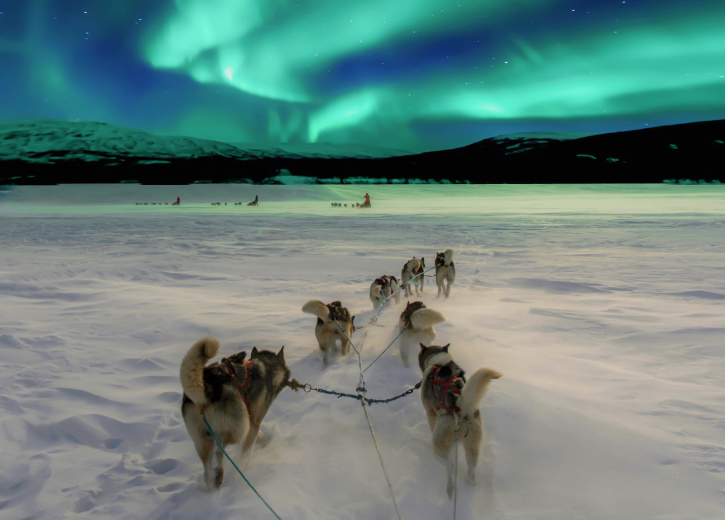
When planning outdoor activities, particularly aurora viewing, additional considerations become important. Bring extra insulation layers like down jackets that can be added during stationary activities. Chemical hand and foot warmers can provide welcome relief during extended periods outdoors. A thermos with hot drinks will help maintain core temperature.
Remember that aurora viewing often involves standing relatively still for extended periods while looking upward. This means you’ll generate less body heat than during active pursuits like skiing or snowshoeing. Our most experienced winter guests often bring insulated sitting mats and even sleeping bags for additional insulation during aurora watches.
Despite the challenging temperatures, the winter environment in Northern Finland offers unforgettable experiences. Watching a fox trot across a moonlit snowy landscape while the northern lights dance overhead makes braving the cold entirely worthwhile – provided you’ve dressed appropriately!
Understanding the impact of windchill is crucial. Even moderate winds can dramatically lower the effective temperature. On windy days, plan activities in forested areas where trees provide natural windbreaks, and always check local weather forecasts before venturing out.
With proper preparation and respect for the conditions, Northern Finland’s winter becomes not just bearable but truly magical. The extraordinary quality of light, the silence of snow-covered landscapes, and the dancing northern lights create memories that last a lifetime – made all the more special by the crisp, clean winter air.
Experience the Magic of Northern Finland for Yourself
Ready to witness the breathtaking aurora borealis dancing across the Arctic sky? Want to experience the pristine snow-covered landscapes and unique winter phenomena of Northern Finland firsthand? The Aurora Queen Resort offers the perfect balance of comfort and authentic Arctic adventure. Our knowledgeable staff will ensure you’re properly equipped for the temperatures, while our prime location provides optimal conditions for northern lights viewing and winter activities.
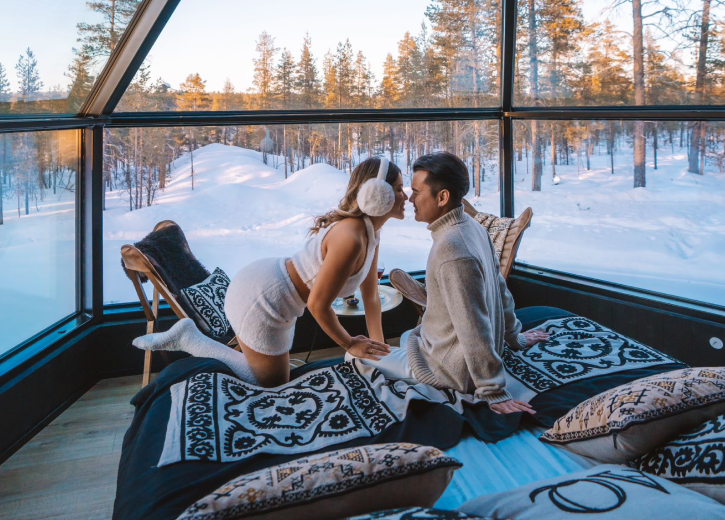
From heated aurora-viewing cabins to guided snowshoeing expeditions, we’ve crafted experiences that showcase the best of Northern Finland’s winter wonderland while keeping you comfortable in the cold. Our luxury accommodations provide a warm retreat after your adventures in the Arctic wilderness.
Don’t just read about the magical winter conditions of Northern Finland – experience them yourself. Book your unforgettable Finnish Lapland holiday today and create memories that will last a lifetime.