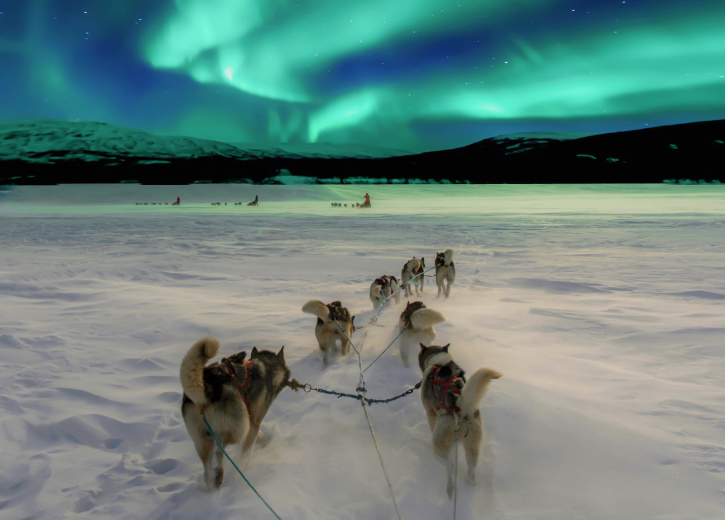
Imagine lying comfortably in warmth whilst brilliant green curtains dance across the Arctic sky above you. For many travellers, chasing the northern lights conjures images of standing outdoors in sub-zero temperatures, stamping frozen feet whilst scanning the horizon for hours. Whilst the aurora borealis is undeniably magical, the harsh winter conditions of Lapland can transform what should be an enchanting experience into an endurance test. The good news? Modern innovations in arctic accommodation and guided experiences have revolutionised how visitors can witness this natural phenomenon without sacrificing comfort or warmth. This guide explores practical, comfortable approaches to aurora viewing that allow you to focus entirely on the spectacle above rather than the cold around you, making your northern lights adventure both memorable and genuinely enjoyable.
Why comfort matters when viewing the northern lights
The reality of traditional aurora hunting in northern Finland involves confronting some of nature’s most extreme conditions. Winter temperatures in Lapland regularly plummet to -20°C to -35°C, and when combined with Arctic wind chill, the perceived temperature can feel even more severe. What many first-time visitors underestimate is the duration required for successful aurora viewing. The lights don’t appear on command, they emerge based on solar activity and atmospheric conditions, meaning you might wait anywhere from thirty minutes to several hours for a display to begin.
During these extended periods, the cold becomes more than just uncomfortable, it presents genuine health considerations. Prolonged exposure to extreme temperatures increases the risk of frostbite, particularly affecting extremities like fingers, toes, and exposed facial skin. Even with proper winter clothing, standing relatively still outdoors in such conditions gradually saps body heat, leading to shivering, reduced dexterity, and diminished enjoyment of the experience itself. The physical discomfort can become so distracting that visitors find themselves constantly checking the time rather than appreciating the aurora when it finally appears.
Understanding winter conditions in Lapland helps explain why comfort isn’t merely a luxury, it’s essential for a successful viewing experience. The combination of darkness (with only a few hours of twilight during peak winter), snow-covered landscapes, and bitter cold creates an environment that demands respect. When discomfort dominates your attention, the magic of the northern lights diminishes considerably. This is why modern approaches to aurora viewing prioritise warmth and shelter without compromising sky visibility, allowing you to remain alert, relaxed, and fully present for one of nature’s most spectacular displays.
Modern aurora viewing: heated accommodation solutions
The evolution of aurora tourism has brought remarkable innovations that address the fundamental challenge of winter viewing: how to stay warm whilst maintaining an unobstructed view of the night sky. Glass-ceiling accommodations represent perhaps the most elegant solution to this problem. These purpose-built structures feature transparent thermal glass roofs that provide panoramic sky views from the comfort of a heated interior. The architectural design eliminates the traditional barrier between indoor comfort and outdoor viewing, creating spaces where guests can watch the aurora whilst remaining at a comfortable room temperature.
Beyond glass igloos, panorama suites offer another approach to comfortable aurora viewing. These accommodations typically feature expansive windows oriented towards the northern horizon, where auroral displays are most frequently visible. The key advantage of these heated viewing facilities lies in their ability to maintain optimal conditions for extended observation periods. You can settle in for the evening, adjust lighting to preserve night vision, and simply wait in comfort for the aurora to appear, without the pressure of enduring harsh outdoor conditions.
Different types of heated viewing options serve various preferences and budgets. Some facilities offer dedicated aurora viewing lounges with reclining chairs positioned beneath glass ceilings, whilst others integrate viewing capabilities directly into guest accommodation. The common thread across these solutions is the recognition that comfort enhances rather than diminishes the aurora experience. When you’re not preoccupied with cold or fatigue, you’re free to fully appreciate the colours, movements, and ephemeral beauty of the lights. This approach has transformed aurora viewing from a challenging outdoor pursuit into an accessible experience for travellers of all ages and physical capabilities, making activities in Lapland more inclusive and enjoyable throughout the winter season.
Planning your comfortable aurora experience
Successful aurora viewing begins long before you arrive in northern Finland. Understanding the optimal timing significantly increases your chances of witnessing a strong display. The aurora season in Lapland extends from late August through April, but the peak months for visibility are typically December through March, when darkness dominates and nights are longest. During this period, you have more hours of potential viewing time each evening, though the trade-off is colder temperatures that make comfortable viewing solutions particularly valuable.
Modern technology has made aurora forecasting remarkably sophisticated. Several reliable aurora forecast tools provide predictions based on solar wind data, geomagnetic activity levels, and local cloud cover. The KP-index measures geomagnetic activity on a scale from 0 to 9, with higher numbers indicating stronger auroral displays visible at lower latitudes. In northern Finland, even moderate KP-index readings of 2-3 can produce visible aurora, whilst readings of 4 or higher often result in spectacular displays. Monitoring these forecasts allows you to plan your viewing attempts strategically, maximising your chances without unnecessary outdoor exposure.
The aurora oval, a ring-shaped zone around the magnetic poles where auroral activity concentrates, positions northern Finland in an ideal viewing location. Understanding this geography helps explain why Lapland offers such consistent aurora opportunities compared to locations further south. When planning activities in Lapland, consider booking accommodation that allows flexible viewing, so you’re not committed to being outdoors at specific times regardless of conditions or forecasts.
Strategic planning means balancing aurora probability with personal comfort, choosing solutions that allow you to respond to forecasts without compromising your wellbeing or enjoyment.
For those seeking guided experiences, some tour operators offer comfortable aurora hunting alternatives to traditional outdoor excursions. Heated minivan tours, for instance, provide mobility to chase clearer skies whilst maintaining warmth between viewing stops. These guided options combine expert knowledge of local conditions with the flexibility to move away from cloud cover or light pollution, all whilst keeping you comfortably warm throughout the journey.
What to expect from your glass igloo stay
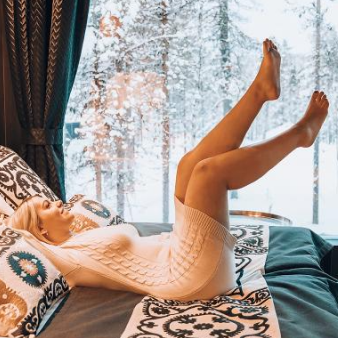
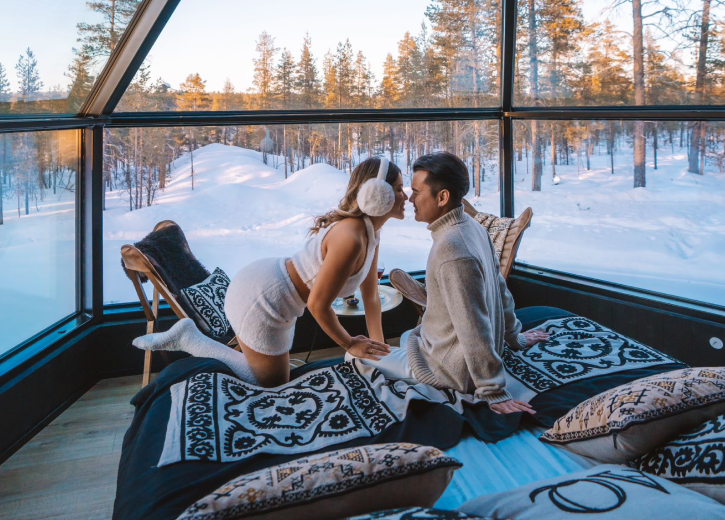
Glass igloos represent a unique fusion of architectural innovation and aurora viewing practicality. The typical structure features a thermally insulated glass ceiling that maintains interior warmth whilst providing an unobstructed 180-degree view of the sky above. The glass is specially treated to prevent frost formation and condensation, ensuring clear visibility even when exterior temperatures drop to extreme lows. This engineering achievement creates an environment where you can lie comfortably in bed, maintain normal room temperature, and watch the aurora without any barrier between you and the night sky.
Temperature control in glass igloos addresses one of the most common questions potential guests ask. Despite the extensive glass surface area, modern designs incorporate effective heating systems that maintain comfortable interior temperatures regardless of outdoor conditions. The thermal glass itself provides substantial insulation, whilst underfloor heating or other warming systems ensure consistent comfort throughout the space. Many visitors find they can wear normal indoor clothing whilst viewing, a stark contrast to the multiple insulating layers required for outdoor aurora watching.
The visibility advantages of glass-ceiling designs extend beyond mere comfort. Traditional windows limit your field of view and require you to position yourself at specific angles to see the sky. Glass ceilings eliminate these constraints, allowing the aurora to fill your entire overhead view. This perspective creates an immersive experience where the lights appear to dance directly above you, enhancing the sense of connection with the natural phenomenon. The ability to dim or extinguish interior lighting preserves your night vision, making even subtle auroral displays more visible than they might be with outdoor light pollution.
During your stay, you’ll discover that glass igloos function remarkably well in extreme winter conditions. The structures are designed to withstand heavy snow loads, with heated glass preventing accumulation that might obstruct views. Some designs incorporate slight angles in the glass to encourage snow to slide off naturally. Properties like Aurora Queen Resort have perfected these practical features whilst delivering the magical experience of warm, comfortable aurora viewing, which explains why glass-ceiling accommodations have become increasingly popular amongst travellers seeking activities in Lapland that balance adventure with comfort.
Whether you choose a glass igloo stay, a panorama suite, or a guided heated tour, the principle remains consistent: comfort and spectacle need not be mutually exclusive. The northern lights are magnificent regardless of how you view them, but experiencing them in warmth and comfort allows you to fully appreciate their beauty without distraction, creating memories defined by wonder rather than endurance.