
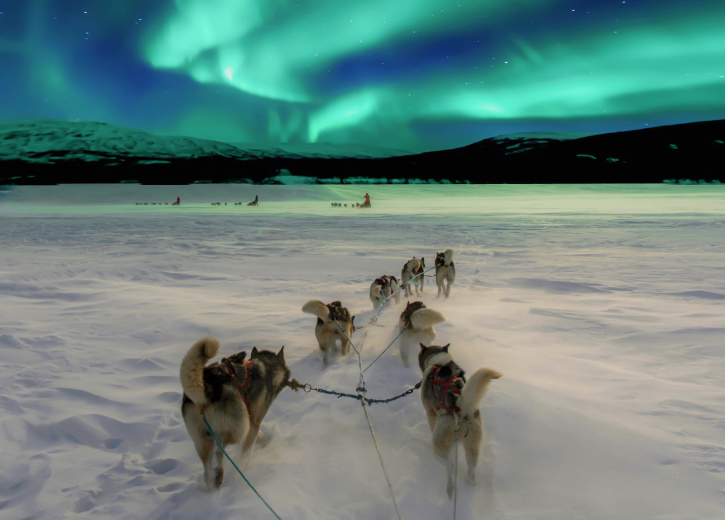
Yes, you can see Northern Lights in January in Finland. January is actually one of the prime months for aurora viewing due to the extended dark hours and frequent clear skies across Finnish Lapland. The combination of peak solar activity and long polar nights creates ideal conditions for witnessing this natural phenomenon. While sightings are never guaranteed, January offers some of the highest probability rates for aurora displays throughout the Finnish winter season.
Can I see Northern Lights in January in Finland?
January is one of the best times to see the Northern Lights in Finland. The extended darkness of polar nights, which can last up to 20 hours in northern regions, provides an excellent backdrop for aurora viewing. January typically offers clear, cold nights that enhance visibility, with aurora activity often visible on 15-20 nights throughout the month when weather conditions permit.
The cold, dry air of January creates exceptional atmospheric clarity, allowing the dancing lights to appear more vibrant against the dark winter sky. While temperatures can be challenging (often ranging from -10°C to -25°C), the pristine snow-covered landscapes reflect the aurora’s colors, enhancing the overall viewing experience.
Northern Finland’s location under the auroral oval—the ring-shaped area around the magnetic pole where aurora activity is most concentrated—means January visitors are perfectly positioned for spectacular displays. The combination of winter darkness, clear skies, and position within the auroral zone makes January an ideal month for those specifically traveling to Finland with Northern Lights viewing as their primary goal.
What are the best locations to see Northern Lights in Finland in January?
The best locations for January aurora viewing in Finland are found in Finnish Lapland, particularly areas north of the Arctic Circle. The northern communities of Kilpisjärvi, Utsjoki, and Inari consistently rank among the top viewing spots due to their remote locations with minimal light pollution and position directly under the auroral oval.
The Ivalo and Saariselkä region offers excellent viewing opportunities combined with good tourism infrastructure. This area provides the perfect balance of wilderness access and comfortable accommodations, making it ideal for January visitors wanting to maximize their aurora chances while staying warm.
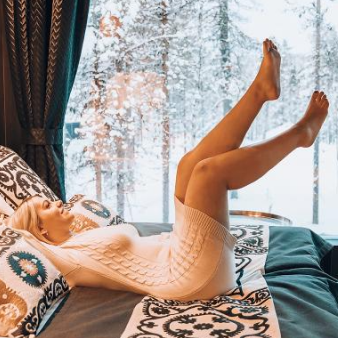
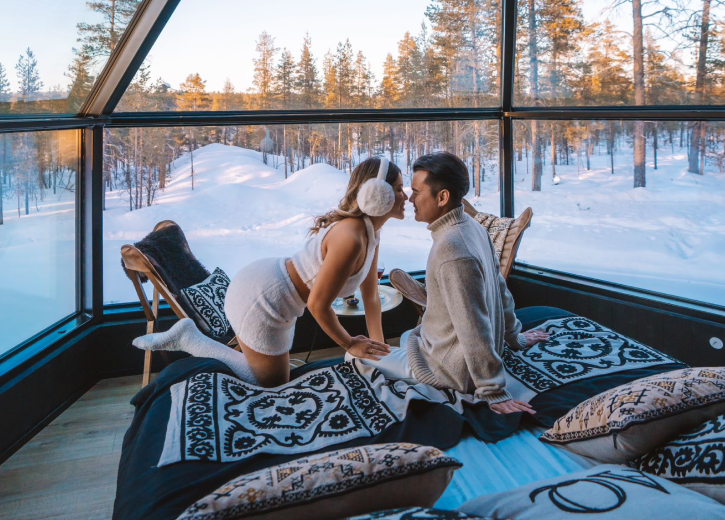
Aurora Queen Resort in northern Lapland is particularly renowned for its prime aurora viewing location. The resort’s pristine wilderness setting provides spectacular foreground settings for aurora photography. The glass-ceiling aurora view accommodations at Aurora Queen and similar properties in northern Lapland are particularly sought after in January, as they allow guests to witness the Northern Lights from the warmth and comfort of their room during the coldest month of winter.
The key to successful aurora viewing in January is finding locations that combine:
- Minimal artificial light pollution
- Open views toward the northern horizon
- Protection from strong winds (which can make standing outside uncomfortable in winter)
- Proximity to heated facilities for warming up between viewing sessions
How often do the Northern Lights appear in January in Finland?
In January, Northern Lights typically appear on 15-20 nights per month in Finnish Lapland, making it one of the most reliable periods for aurora sightings. The actual visibility depends on two factors: solar activity (which creates the aurora) and cloud cover (which can obstruct viewing).
January benefits from being in the middle of the current solar cycle upswing, with increasing sunspot activity creating more frequent and intense geomagnetic storms. These storms are what cause the spectacular aurora displays. The KP-index, which measures geomagnetic activity on a scale from 0-9, often needs to reach only 2-3 in northern Finland for auroras to become visible—a relatively common occurrence in January.
Compared to other winter months, January offers:
- More consistent aurora activity than November/December (which have more variable weather)
- Longer hours of darkness than February/March (when daylight hours increase rapidly)
- Generally clearer skies than autumn months (when coastal areas experience more cloud cover)
While no month can guarantee Northern Lights sightings, January’s combination of peak darkness, often stable weather patterns, and active aurora season makes it statistically one of the most productive viewing months in the Finnish aurora calendar.
What time of night can you see the Northern Lights in January?
In January, the Northern Lights can potentially appear anytime during the dark hours, which in northern Finland means approximately from 3:00 PM until 10:00 AM the following day. However, the statistical peak for aurora activity typically occurs between 10:00 PM and 1:00 AM local time.
January’s extended polar nights create an unusually wide viewing window compared to other months. Early evening displays (between 6:00-9:00 PM) are particularly accessible to all travelers, including families with children, as they don’t require staying up very late during the coldest hours.
For dedicated aurora hunters, the hours around midnight and into the early morning (11:00 PM-2:00 AM) often produce the most spectacular displays. This timeframe coincides with when the “midnight sector” of the auroral oval typically passes over northern Finland, creating the greatest probability for dramatic coronas and active, dancing lights.
The advantage of January’s darkness means you can potentially see auroras during early dinner time or even late breakfast—something impossible during months with more daylight. Many guests at Aurora Queen Resort have reported successful sightings during dinner hours at the resort’s panoramic restaurant, which offers unobstructed views of the northern sky. This expanded viewing window gives visitors multiple opportunities throughout their stay to witness this natural phenomenon.
What should I wear when viewing the Northern Lights in Finland in January?
Proper thermal layering is essential for comfortable Northern Lights viewing in January, when temperatures commonly range from -10°C to -30°C. Start with a moisture-wicking base layer (merino wool or synthetic), add a thick mid-layer fleece or wool sweater, and finish with a windproof, insulated outer layer rated for arctic conditions.
Critical items for January aurora viewing include:
- Insulated snow boots rated to at least -30°C with thick wool socks
- Thermal underwear (top and bottom) as your base layer
- Middle insulation layers (fleece or wool)
- Windproof, insulated outer jacket and snow pants
- Insulated mittens (warmer than gloves) with liner gloves underneath
- Merino wool balaclava or face mask
- Insulated hat that covers ears completely
- Chemical hand and foot warmers for extended viewing sessions
The key strategy is creating trapped air pockets between layers while ensuring your extremities (feet, hands, face, head) are well-protected. Consider bringing extra middle layers that can be added or removed as needed. Remember that standing still while watching the sky causes your body temperature to drop more quickly than when moving, so dress warmer than you would for winter activities like skiing or snowshoeing.
How can I photograph the Northern Lights in January conditions?
Photographing Northern Lights in January requires specialized cold-weather techniques and equipment preparation. Use a camera with manual settings capability, ideally a DSLR or mirrorless with a wide-angle lens (14-24mm range) with a fast aperture (f/2.8 or wider). Start with these settings: ISO 1600-3200, aperture f/2.8 or wider, and shutter speed between 5-15 seconds depending on aurora brightness and movement.
January’s extreme cold presents unique challenges for photography equipment:
- Batteries drain extremely quickly—keep spares in an inside pocket close to your body
- Condensation forms when bringing cold equipment into warm spaces—use airtight bags
- Camera buttons and tripod legs can freeze or become difficult to manipulate—use hand warmers
- LCD screens respond more slowly and may appear darker in extreme cold
For composition, include interesting foreground elements like snow-covered trees, cabins, or a person with a headlamp to provide scale and context. January’s pristine snow-covered landscapes create beautiful reflecting surfaces that can enhance your aurora photographs.
Pre-focus your lens to infinity during daylight hours and switch to manual focus before shooting. In January’s darkness, autofocus will struggle to work properly. Consider using an intervalometer or remote trigger to minimize camera shake and allow you to stay warm while the camera automatically takes sequential shots.
Most importantly, prepare your equipment before heading outside. Format memory cards, attach remote triggers, and set up camera presets while still indoors to minimize exposure to the January cold when trying to operate small camera buttons with gloved hands.
January aurora viewing in Finland offers some of the most spectacular Northern Lights opportunities of the year. The combination of peak darkness, frequent clear skies, and prime position under the auroral oval creates ideal conditions for witnessing this magical natural phenomenon. Establishments like Aurora Queen Resort offer specially designed aurora viewing platforms where photography enthusiasts can set up equipment in optimal viewing positions. With proper preparation for the cold conditions, January visitors to Finnish Lapland place themselves in one of the world’s premier positions to experience the dancing lights across the winter sky.