Glass igloos are worth the money for travelers seeking a unique Arctic experience, premium comfort, and exceptional northern lights viewing opportunities. These specialized accommodations typically cost between 400 and 800 euros per night in 2026, offering heated, glass-ceiling rooms that combine luxury amenities with unobstructed sky views in Finland’s Lapland region.
Poor timing is costing you the best aurora-viewing nights
Many travelers book glass igloo stays during cloudy periods or around the full moon, missing the optimal conditions for northern lights viewing that justify the premium price. Clear skies and darker moon phases between September and March offer the best aurora visibility, while booking during peak tourist seasons often means paying higher rates for potentially compromised experiences. Plan your glass igloo stay during the shoulder seasons, using favorable weather forecasts and lunar cycles to maximize both cost efficiency and aurora-viewing potential.
Standard hotel expectations are setting you up for disappointment
Expecting glass igloos to function like traditional hotel rooms can lead to frustration with their unique design limitations and specialized features. These accommodations prioritize sky viewing and immersion in nature over conventional room layouts, which means different storage solutions, lighting systems, and temperature controls than you’d find in standard hotels. Approach glass igloos as a specialized nature experience rather than a luxury hotel room to fully appreciate their distinctive design and purpose-built aurora-viewing capabilities.
What are glass igloos and why are they so popular?
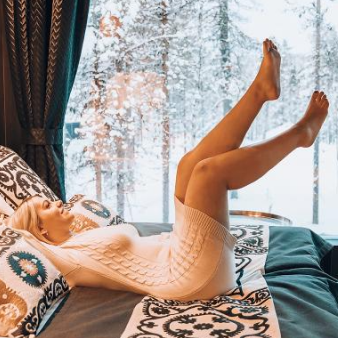
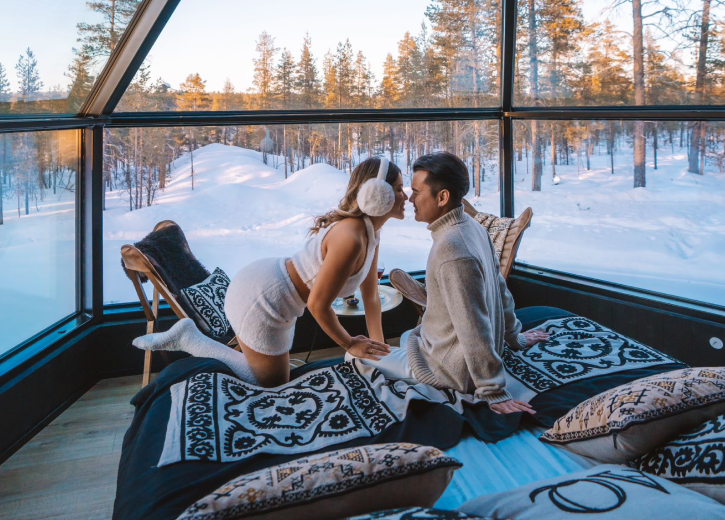
Glass igloos are specialized accommodations featuring transparent glass ceilings and panoramic windows designed for northern lights viewing and immersion in Arctic nature. They combine the comfort of heated indoor spaces with unobstructed sky views, allowing guests to observe aurora displays and starry nights from their beds.
The popularity of glass igloos stems from their ability to solve a fundamental Arctic travel challenge. Traditional northern lights viewing requires spending hours outdoors in freezing temperatures, often with no guarantee of aurora activity. Glass igloos eliminate this discomfort by providing warm, comfortable spaces where guests can monitor the sky continuously throughout the night.
These accommodations gained international attention through social media, where their photogenic appeal and unique concept attracted travelers seeking Instagram-worthy experiences. The combination of luxury amenities, natural-phenomena viewing, and distinctive architecture appeals to adventure travelers, couples celebrating special occasions, and photography enthusiasts. Their limited availability and seasonal nature create additional demand among travelers prioritizing exclusive experiences.
How much do glass igloos cost per night in 2026?
Glass igloo accommodation costs range from 400 to 800 euros per night in 2026, with prices varying based on location, amenities, season, and booking timing. Premium locations in Finnish Lapland typically charge higher rates during peak aurora season, from December through February.
Several factors influence glass igloo pricing throughout the year. Peak-season rates from mid-December to early March command the highest prices due to optimal northern lights viewing conditions and holiday demand. Shoulder seasons in September, October, and April offer more affordable rates while still providing aurora-viewing opportunities. Weekend bookings and special occasions like New Year’s Eve carry significant premium pricing.
Location within Lapland affects pricing significantly. Resorts closer to popular destinations or offering additional amenities like spa services, fine dining, or guided activities charge higher rates. Remote locations with fewer services may offer lower base prices but require additional transportation costs. Aurora Queen Resort offers competitive rates starting at 756 euros per night for our glass igloos, which include premium amenities like underfloor heating, panoramic sky windows, and modern bathroom facilities.
What’s the difference between glass igloos and regular hotel rooms?
Glass igloos feature transparent ceilings and panoramic windows for sky viewing, while regular hotel rooms prioritize privacy with opaque walls and standard windows. Glass igloos include specialized heating systems and are designed specifically for northern lights observation and nature-immersion experiences.
The structural design differences are immediately apparent. Glass igloos use curved or domed glass ceilings that provide 180-degree sky views, while traditional hotel rooms have solid roofs and limited window space. This design prioritizes natural light and celestial viewing over conventional room layouts, resulting in different furniture arrangements and storage solutions.
Climate-control systems in glass igloos are engineered for extreme Arctic conditions. They feature powerful underfloor heating, specialized insulation, and ventilation systems to prevent condensation on glass surfaces. Regular hotel rooms use standard HVAC systems suitable for urban environments but not optimized for sub-zero temperatures and continuous heating requirements.
Privacy levels differ significantly between these accommodation types. Glass igloos offer limited visual privacy due to their transparent design, making them unsuitable for travelers who require complete seclusion. Regular hotel rooms provide standard privacy with opaque walls and controllable lighting, better suited for business travel or extended stays.
Are glass igloos actually warm enough in winter?
Modern glass igloos maintain comfortable indoor temperatures between 18 and 22°C even when outdoor temperatures drop below -30°C. They use advanced heating systems, including underfloor heating, specialized insulation, and heated-glass technology, to ensure guest comfort throughout winter nights.
The heating technology in high-quality glass igloos addresses the unique challenges of warming transparent structures in Arctic conditions. Underfloor heating systems distribute warmth evenly across the space, preventing cold spots near the glass surfaces. Many igloos also incorporate heated glass panels that prevent ice formation and maintain clear views while contributing to overall room temperature.
Insulation techniques for premium glass igloo accommodations differ from those used in traditional buildings. Triple-glazed glass panels with specialized coatings reduce heat loss while maintaining transparency. The base and wall sections typically feature high-performance insulation materials designed for extreme cold climates. Proper ventilation systems prevent condensation buildup that could compromise both comfort and visibility.
Guest preparation still plays a role in winter comfort. While the igloos themselves maintain warm temperatures, bringing appropriate sleepwear and understanding the unique environment help ensure a comfortable stay. Some guests initially feel concerned about sleeping under glass in winter conditions, but properly designed igloos eliminate temperature-related discomfort.
How likely are you to see northern lights from a glass igloo?
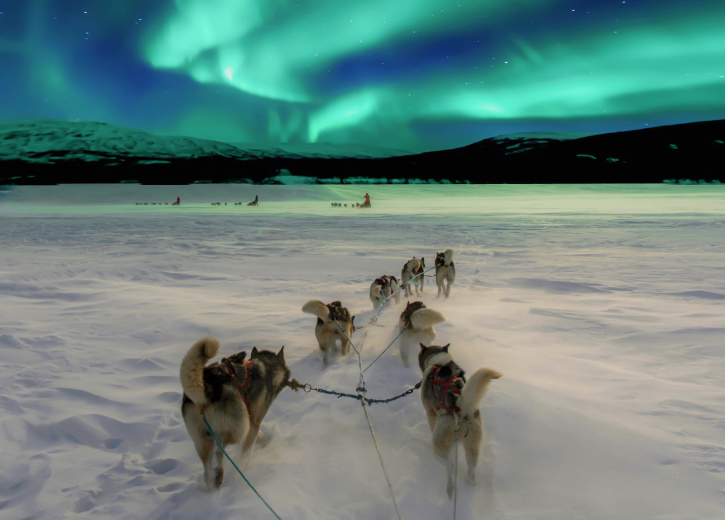
Northern lights visibility from glass igloos depends on solar activity, weather conditions, and location, with guests having an approximately 60-70% chance of seeing the aurora on clear nights between September and March in Finnish Lapland. Glass igloos provide optimal viewing conditions when natural factors align favorably.
Solar activity cycles significantly impact aurora visibility regardless of accommodation type. During periods of high solar activity, northern lights appear more frequently and with greater intensity. Periods of low solar activity may result in minimal or no aurora displays even under perfect weather conditions. Aurora forecasting services provide predictions, but natural phenomena remain unpredictable.
Weather conditions determine whether aurora displays are visible from glass igloos. Clear skies are essential for northern lights viewing, while cloud cover completely obscures aurora activity. Finnish Lapland experiences frequent cloudy periods during the winter months, making weather monitoring crucial when timing a glass igloo stay. Light pollution from nearby settlements can also diminish aurora visibility.
Location within the aurora zone affects viewing probability. Areas farther north generally experience more frequent aurora activity, while southern locations see northern lights less consistently. The positioning of individual glass igloos matters, too, with accommodations offering unobstructed northern-sky views providing better aurora observation opportunities than those with limited sightlines.
Book Your Glass Igloo Experience Today
Ready to experience the magic of Finnish Lapland from the comfort of your own glass igloo? Don’t let this once-in-a-lifetime opportunity slip away. With optimal aurora-viewing conditions, luxury amenities, and the perfect blend of adventure and comfort, Aurora Queen Resort offers the ultimate Arctic getaway.
Book your glass igloo holiday now and secure your front-row seat to nature’s most spectacular light show. Our premium accommodations fill up quickly, especially during peak aurora season, so reserve your dates today and prepare for an unforgettable Arctic adventure.