

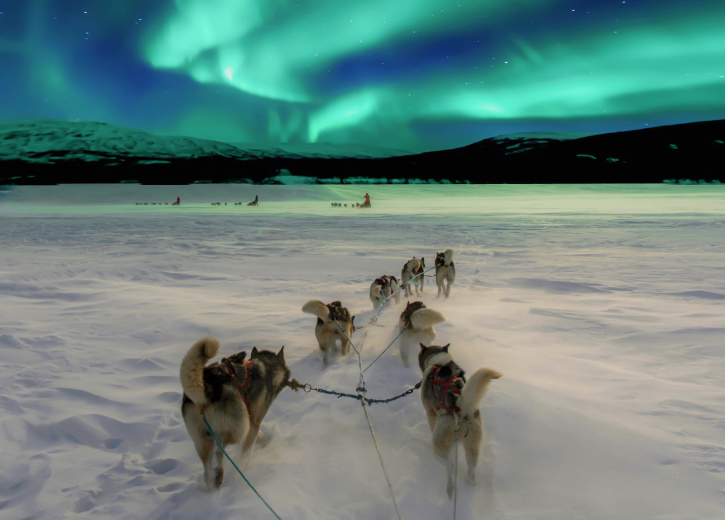

When you think of Lapland, you might picture snow-covered forests, the dancing northern lights, and perhaps even Father Christmas. But beneath this winter wonderland lies a living tradition that has shaped the Arctic landscape for thousands of years. Sami reindeer herding represents far more than a picturesque cultural practice; it’s a sophisticated way of life that has evolved over millennia, blending ancient wisdom with modern challenges. The Sami people, the indigenous inhabitants of northern Finland and the wider Arctic region, have maintained this extraordinary relationship with Lapland reindeer through countless generations. What makes this tradition truly remarkable are the surprising details that most visitors never discover.
1. The ancient art of reindeer herding in Lapland
Sami reindeer herding stretches back thousands of years across the Arctic regions of northern Finland, Norway, Sweden, and Russia. This isn’t simply an occupation; it’s the cornerstone of Sami culture and identity, woven into language, spirituality, and daily life. Unlike farming traditions found elsewhere, indigenous reindeer herding developed in harmony with the Arctic environment, where reindeer roam semi-wild across vast territories rather than being confined to enclosed pastures.
The practice has survived ice ages, political borders, and dramatic social changes, adapting whilst maintaining its essential character. Today’s Sami herders carry forward knowledge systems that their ancestors developed through careful observation and deep understanding of Arctic reindeer behaviour, weather patterns, and the delicate ecosystems of Lapland. This traditional herding represents one of Europe’s last remaining nomadic cultures, where families still follow their herds through seasonal cycles.
What makes this tradition particularly fascinating is how it remains economically and culturally vital in the modern world. Reindeer herding traditions continue to support Sami communities, providing not just livelihoods but also maintaining linguistic and cultural practices that might otherwise disappear. The connection between herder and herd transcends mere animal husbandry; it’s a relationship built on mutual survival in one of Earth’s most challenging environments.
2. Reindeer recognize their herders by voice alone
Perhaps the most enchanting aspect of Sami reindeer herding is the profound bond between herder and animal. Lapland reindeer possess remarkable auditory memories, capable of distinguishing their herder’s voice from others across considerable distances. This vocal recognition forms the foundation of herd management, with herders using distinctive calls and sounds to communicate with their animals in the vast wilderness.
Traditional calling techniques vary between families and regions, passed down through generations like musical traditions. These aren’t random sounds but carefully crafted vocalizations that reindeer learn to associate with specific herders from a young age. Some calls summon the herd, others soothe anxious animals, whilst certain sounds guide reindeer in particular directions across challenging terrain. Herders often develop unique relationships with individual reindeer, recognizing personalities and preferences that would surprise those who view these animals as simply livestock.
This vocal communication system proves especially valuable during the dark winter months when visibility drops dramatically. A herder’s call can reach reindeer hidden in forests or obscured by snowfall, maintaining contact when visual methods fail. The practice demonstrates how Sami culture developed sophisticated solutions to Arctic challenges long before modern technology arrived in Lapland.
3. Each reindeer has a unique ear mark ownership system
Walk among a herd of Lapland reindeer and you’ll notice distinctive patterns cut into their ears. This centuries-old marking system serves as both identification and legal proof of ownership, with each Sami family possessing registered ear mark patterns that pass down through generations. The marks are as unique as signatures, combining cuts, notches, and shapes that trained eyes can read instantly.
These ear marks are officially registered with authorities, creating a legal framework that recognizes Sami ownership rights. When calves are born, they receive their family’s mark, entering a system that has functioned effectively for longer than most written property records. The marking tradition reflects the semi-wild nature of reindeer herding; animals roam freely across vast territories, often mixing with other herds, yet ownership remains clear and undisputed through these distinctive patterns.
The ear marking system also reveals fascinating insights into Sami social structures and family histories. Certain mark patterns have belonged to specific families for centuries, whilst marriages and inheritances create new combinations. This living archive of Lapland culture exists not in books or museums but in the ears of thousands of reindeer moving across northern Finland’s wilderness.
4. Reindeer herding follows ancient migration routes
Arctic reindeer are natural migrants, and Sami herders have shaped their entire way of life around these seasonal movements. The migration routes used today remain essentially unchanged from those followed millennia ago, with herds moving between summer and winter pastures in response to environmental conditions. These aren’t arbitrary paths but carefully selected routes that optimize grazing opportunities whilst avoiding dangerous terrain.
Sami herders possess extraordinary skills in reading landscapes, weather patterns, and reindeer behaviour to time these movements perfectly. Moving too early means arriving at pastures before vegetation is ready; too late risks missing optimal grazing periods. This timing requires intimate knowledge of how snow melts at different elevations, when specific plants become nutritious, and how weather systems develop across Lapland. Such knowledge cannot be learned from books; it comes from years of observation and guidance from experienced herders.
These migration patterns also maintain ecological balance across northern Finland. By moving herds seasonally, traditional herding prevents overgrazing and allows vegetation to recover. The reindeer themselves contribute to ecosystem health, their grazing habits shaping plant communities and their movements distributing seeds across vast distances. This sustainable practice demonstrates how indigenous reindeer herding developed sophisticated environmental management long before modern conservation science emerged.
5. Modern technology meets traditional knowledge
Today’s Sami herders navigate a fascinating intersection between ancient wisdom and contemporary tools. GPS collars track individual animals across remote wilderness, drones survey vast territories in minutes, and snowmobiles have largely replaced skis for covering long distances. Yet these technological advances haven’t replaced traditional knowledge; instead, they’ve enhanced the herder’s ability to apply ancestral understanding more effectively across larger areas.
Technology helps locate herds in Lapland’s expansive landscapes, but cultural knowledge remains essential for interpreting what those locations mean. A GPS coordinate might show where reindeer are, but only experience reveals whether they’re feeding well, moving toward danger, or preparing for weather changes. Drones can count animals, but herders must still assess their condition, identify individuals, and make management decisions based on generations of accumulated wisdom about Arctic reindeer behaviour.
This blend of old and new reflects how Sami culture continues evolving whilst maintaining its core identity. Young herders learn both traditional calling techniques and how to operate modern equipment, understanding that neither approach alone suffices in contemporary reindeer herding. The result is a practice that honours its past whilst embracing innovations that make this challenging lifestyle more sustainable for future generations.
Experience Sami culture during your Lapland stay
Visiting northern Finland offers a rare opportunity to encounter these reindeer herding traditions firsthand and gain appreciation for the deep connections between the Sami people, their reindeer, and the Arctic landscape. At Aurora Queen Resort, you’re not just visiting a beautiful winter destination; you’re entering a region where Lapland culture remains vibrantly alive, shaped by thousands of years of indigenous reindeer herding.
The surrounding wilderness provides glimpses into this extraordinary way of life. You might spot herds moving across snowy expanses, their silhouettes elegant against the winter landscape. Local experiences can introduce you to aspects of Sami culture, helping you understand how reindeer herding traditions have shaped everything from language to cuisine in this remarkable region. These encounters offer perspective that transforms a holiday into something more meaningful, connecting you with traditions that have endured through countless Arctic winters.
Understanding Sami reindeer herding enriches your entire Lapland experience, adding depth to the landscapes you explore and the northern lights you witness. The same wilderness that captivates visitors has sustained the Sami people and their reindeer for millennia, creating a living cultural landscape that few places on Earth can match. When you appreciate this context, every moment in northern Finland becomes part of a larger story, one that continues unfolding with each generation of herders and each seasonal migration across these ancient lands.