
Packing for a winter trip to Finnish Lapland is less about bringing more and more about bringing the right things. Temperatures in January and February can drop well below minus 20 degrees Celsius, and you will spend hours outdoors watching the sky, riding sleighs, or skiing through quiet forests. This Finnish Lapland packing list covers the 11 essentials that matter most, based on what we see our guests wish they had brought.
How Lapland’s Arctic Cold Shapes Your Packing
Lapland’s cold is dry, still, and deeply consistent, which means it feels different from damp, windy cold elsewhere. In Saariselkä, a calm night at minus 25 can feel more comfortable than a breezy day at minus 5 in a coastal city, provided you are dressed correctly. The secret is managing moisture, trapping warm air, and keeping your extremities protected.
Before you pack, think about your day. You will move between warm interiors and long stretches outdoors, so clothing that you can add and remove easily works better than one huge jacket. The list below follows that logic: build a layering system first, protect the parts of your body that lose heat fastest, then add the gear that makes aurora nights and everyday comfort easier.
1. Thermal base layers: your first line of warmth
Merino wool or high-quality synthetic thermal base layers are the foundation of every Lapland winter outfit. They sit against your skin, wick away sweat, and keep you dry, which matters because damp skin cools you down quickly in sub-zero air.
Pack at least two full sets of tops and bottoms so you can rotate them. Look for a snug fit without restricting movement, since loose base layers let cold air circulate. Avoid cotton entirely: once it absorbs moisture, it stays wet and chills you.
Best suited for every traveller, without exception. If you only invest in one category of Lapland winter clothing, make it this one.
2. Insulating mid layers: fleece or wool for trapped heat
A fleece jacket, wool sweater, or lightweight down vest forms the insulating middle of your system. This layer traps warm air generated by your body and does most of the heavy lifting on a typical day outdoors.
Bring two options of different thicknesses. A thinner fleece suits a short walk to dinner or a lounge evening, while a thicker wool or down mid layer is what you want on a husky safari or during a long aurora watch. Being able to swap them gives you precise control over your comfort.
Best suited for travellers planning varied activities, from gentle snowshoeing to sitting still outdoors for an hour.
3. A windproof, insulated outer shell: your Arctic armour
Your outer layer needs to block wind and hold in the warmth beneath it. A well-insulated winter jacket with a hood, plus matching insulated trousers, protects you from the wind chill that can make an already cold day feel far harsher.
Many travellers choose to rent a full thermal overall suit for the most demanding activities, and this is a smart option if you do not own proper Arctic gear. It saves luggage space and ensures you are dressed for conditions you may never experience at home. Ask your hosts about rental options when you book your excursions and Arctic activities, so you can plan your suitcase accordingly.
Best suited for anyone visiting between December and March. Check that your jacket is long enough to cover your hips and that trousers can fit over your base and mid layers.
4. Wool socks: the unsung heroes of warm feet
Good wool socks deserve their own place on the list because cold feet can ruin an otherwise perfect day. Choose medium to thick merino wool socks, and bring more pairs than you think you need, at least one fresh pair per day.
A common mistake is wearing two thick pairs inside tight boots. This restricts circulation and actually makes your feet colder. Instead, wear one well-fitting thermal wool sock and leave a little room for air to insulate your toes.
Best suited for everyone, especially those planning long outdoor activities such as ice fishing, where you stand relatively still for extended periods.
5. Insulated winter boots: grip, warmth, and room to wiggle
Insulated, waterproof winter boots rated for extreme cold are the most important footwear decision you will make. Look for thick soles that isolate you from frozen ground, a deep tread for icy paths, and enough room to move your toes freely.
Many travellers choose to use the thermal boots provided or rented for safaris and excursions, which are designed for temperatures far colder than most city boots can handle. For daily strolls around the resort grounds, bring your own boots with reliable grip, since compacted snow and ice can be slippery.
Best suited for every guest. If your boots are brand new, wear them at home first to avoid blisters on your trip.
6. Mittens and liner gloves: a two-part hand strategy
Mittens keep fingers warmer than gloves because your fingers share heat. Pack a pair of insulated, windproof mittens for general use, and add thin liner gloves underneath so you can operate a phone or camera without exposing bare skin.
This combination matters especially during aurora nights, when you will want to adjust camera settings or take photos. Pulling off a mitten for a few seconds with a liner underneath is far more comfortable than working with bare hands. Bring a spare pair of liners in case one gets damp.
Best suited for photographers and anyone who plans to use a smartphone outdoors.
7. A warm hat and neck gaiter: protecting your head and face
A significant amount of body heat escapes through an uncovered head, so a snug wool or fleece-lined hat that covers your ears is essential. Pair it with a neck gaiter or scarf that you can pull up over your nose and cheeks when the air bites.
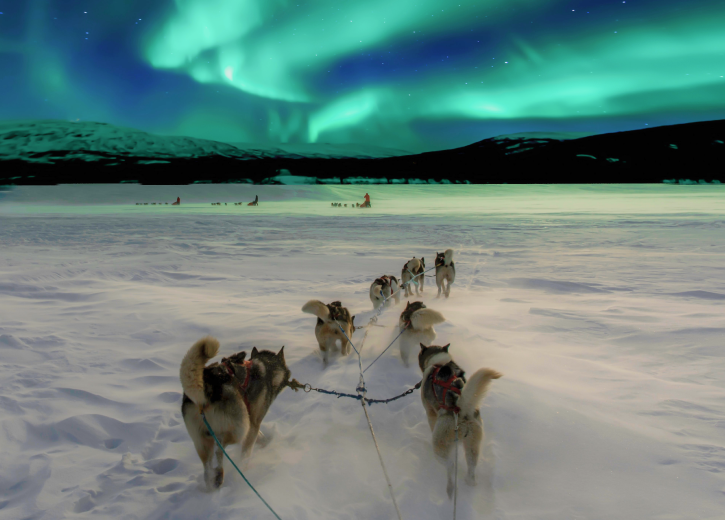
A balaclava is a worthwhile addition if you plan on a husky safari or reindeer sleigh ride, where the breeze from movement increases the cold on exposed skin. Choose soft, breathable fabrics that will not irritate your face, and make sure your hat fits comfortably under your jacket hood.
Best suited for anyone planning faster-moving activities, as well as travellers who are especially sensitive to cold.
8. A tripod and spare batteries: essential northern lights photography gear
The northern lights reward patience, and capturing them calls for a few key items. A sturdy tripod is non-negotiable, since photographing the aurora requires long exposures that handheld shots cannot achieve. Many modern smartphones now offer capable night modes, but they still need a stable base.
Cold drains batteries remarkably fast. Bring at least one or two spare batteries and keep them in an inner pocket close to your body until you need them. A camera with manual controls, a wide-angle lens, and a remote shutter or timer will give you the best results. If you are using a phone, a small portable tripod and a power bank are a simple, effective kit.
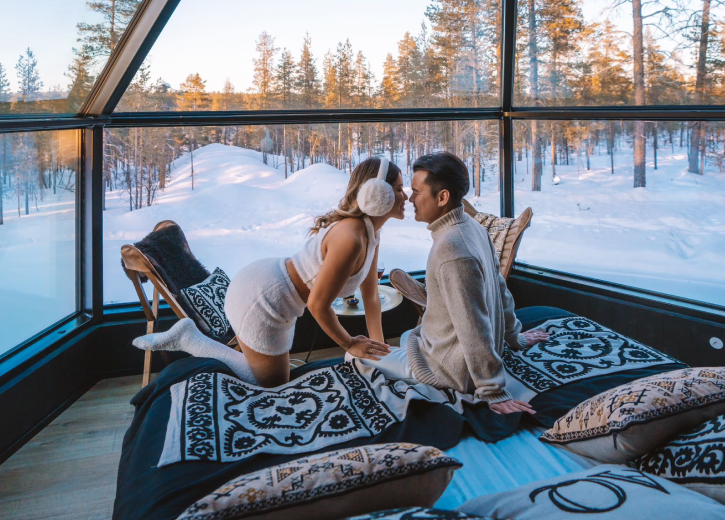
Best suited for photography enthusiasts. In our glass igloos with aurora views, you can also watch the sky from the comfort of your bed, so the gear is helpful but never required to enjoy the show.
9. A hand warmer and a thermos: comfort for long aurora nights
Aurora hunting often means standing or sitting outdoors for an hour or more, waiting for the sky to come alive. Disposable hand and toe warmers slipped into mittens and boots can make a surprising difference, especially on nights below minus 20.
A small insulated thermos filled with a warm drink is a quiet luxury during these waits. It keeps you hydrated, warms you from the inside, and turns patient sky watching into a calm ritual. Pack a few extra warmers in your day bag, as they take up almost no space.
Best suited for guests joining an aurora hunting tour or planning their own late-night sky watching near the resort.
10. Moisturiser and lip balm: caring for skin in dry Arctic air
Winter air in Lapland is cold and very dry, and indoor heating adds to the effect. A rich, fragrance-free moisturiser and a nourishing lip balm will help prevent cracked lips and tight, irritated skin. For your face, a thicker cream applied before heading outdoors creates a helpful barrier against the cold.
Do not forget sun protection on bright days. Snow reflects light strongly, and a small tube of sunscreen paired with a good pair of sunglasses protects against glare during cross-country skiing or on a clear afternoon. Keep your skincare items inside your jacket during outings, since many creams thicken or freeze in extreme cold.
Best suited for every traveller, particularly those staying for several days.
11. Relaxed indoor clothing and slippers: unwinding after the cold
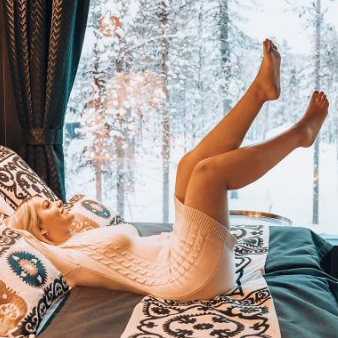
After a day in the Arctic, you will want to change into something soft and comfortable. Pack loose, cosy loungewear, warm indoor socks, and a pair of slippers or light indoor shoes. Our igloos have heated floors and a calm, minimalist Scandinavian interior, so comfortable indoor clothing helps you fully relax in your surroundings.
Consider adding a swimsuit if you plan to enjoy a sauna, as sauna culture is a cherished part of Finnish life. A small reusable water bottle and a book or journal also make the quiet hours between activities more enjoyable. This is also where a glass igloo holiday truly shines: lying under a glass ceiling with a good book, waiting for the sky to light up.
Best suited for all guests, since the evenings are a highlight of any winter stay in Saariselkä.
Pack Smart and Enjoy Every Arctic Moment
The best approach to your Lapland winter packing list is to think in layers, protect your extremities, and bring a few small comforts that make long outdoor moments more enjoyable. You do not need to buy everything new. Rent heavy-duty gear for the coldest excursions, and invest your budget in quality base layers, socks, and mittens.
If you are planning a Saariselkä winter trip, we would be delighted to host you. Our family-owned resort offers glass igloos for watching the northern lights from bed, a Nordic menu at the AQ Restaurant, and activities such as husky safaris, reindeer sleigh rides, ice fishing, and cross-country skiing. Explore our igloos, choose your dates, and book your stay for an unforgettable Arctic escape. We will take care of the rest, so all you need to bring is the right clothing and a sense of wonder.